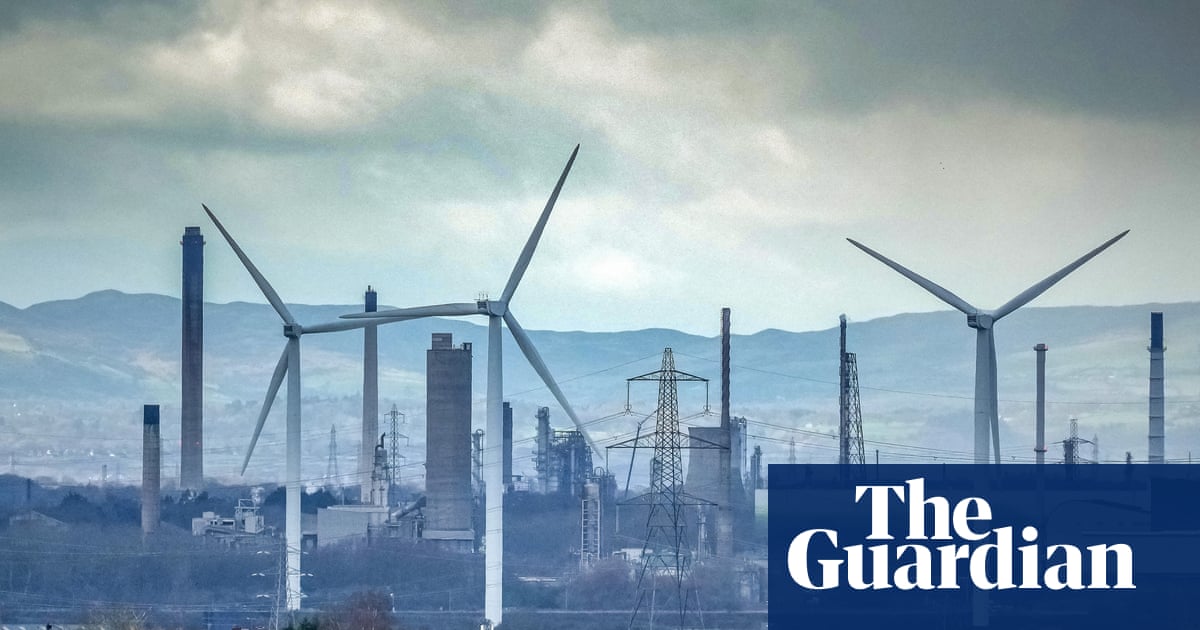
2025 Sees Significant Retreat from Net Zero Commitments Across Sectors
In 2025, numerous sectors have significantly scaled back or abandoned their pledges to reach net zero as businesses prioritize shareholder returns over climate commitments.
UK politics have become fragmented on climate issues, with Reform UK gaining influence. Conservative leader Kemi Badenoch has abandoned the net-zero by 2050 target, while Labour continues to defend its net-zero policy.
Transport policies reflect a slowdown in electric vehicle momentum. The UK has loosened its zero-emission vehicle (ZEV) mandate, and the EU now permits 10% petrol and diesel sales after 2035. Major aircraft manufacturers Airbus and Boeing are developing kerosene engines, amid limited supply of sustainable aviation fuel (SAF).
Despite these setbacks, global energy investment remains strong, with approximately $2 trillion annually allocated to clean energy—roughly double the investment in fossil fuels according to the International Energy Agency (IEA).
However, major oil companies have retreated from climate commitments. BP’s chief executive Murray Auchincloss was ousted amid a strategic reset as the company pivots back towards oil and gas. Shell has halved its green spending, and Ørsted has cancelled the Hornsea 4 offshore wind farm project.
The financial sector has also withdrawn support: the Net-Zero Banking Alliance collapsed in October following departures by JPMorgan, Citi, Goldman Sachs, Barclays, and HSBC. HSBC has delayed its climate targets by about 20 years. Vanguard and BlackRock have left the Net Zero Asset Managers initiative.
Within retail, Morrisons delayed its net-zero target to 2050, and only 38% of the largest suppliers have committed to net zero, according to the British Retail Consortium.
Local governments under Reform UK control have rolled back net-zero efforts. Lincolnshire is blocking renewable projects; Durham has scrapped heat pump and solar installations for government buildings; Kent has halted energy-efficiency upgrades; Derbyshire disbanded its climate committee; and West Northamptonshire dropped its net-zero target.
This widespread retreat in 2025 highlights a concerning shift in priorities as climate goals face growing challenges across the public and private sectors.