2026: A Make-or-Break Year for Keir Starmer and Major Global Issues
The year 2026 is framed as a make-or-break period for UK Prime Minister Keir Starmer. The May local elections could trigger a leadership revolt if Labour suffers losses. Welsh Labour might be defeated by Plaid Cymru, while the SNP is expected to hold Holyrood. Reform UK’s local election gains could also provoke a leadership challenge to Kemi Badenoch.
Illegal migration remains the dominant political issue in the UK. The government aims to enforce tougher policies and expects increased action from French police to stop boats crossing the Channel. Political pressure is likely to rise if progress is limited. There are ongoing welfare reform reviews into personal independence payments and youth unemployment, which are due to report.
Starmer's international agenda involves pursuing closer ties with the European Union, continuing support for Ukraine, and moving closer to China with an anticipated visit to Beijing. Domestically, the long-awaited assisted dying bill is expected to become law in 2026, although it may run out of parliamentary time in the House of Lords.
On the global stage, NATO and Russia dominate world politics in 2026. There is a perceived chasm between Europe and the United States under President Donald Trump, raising concerns about a potentially unreliable US partner. This dynamic creates risks of reaching an easier but less durable peace in Ukraine.
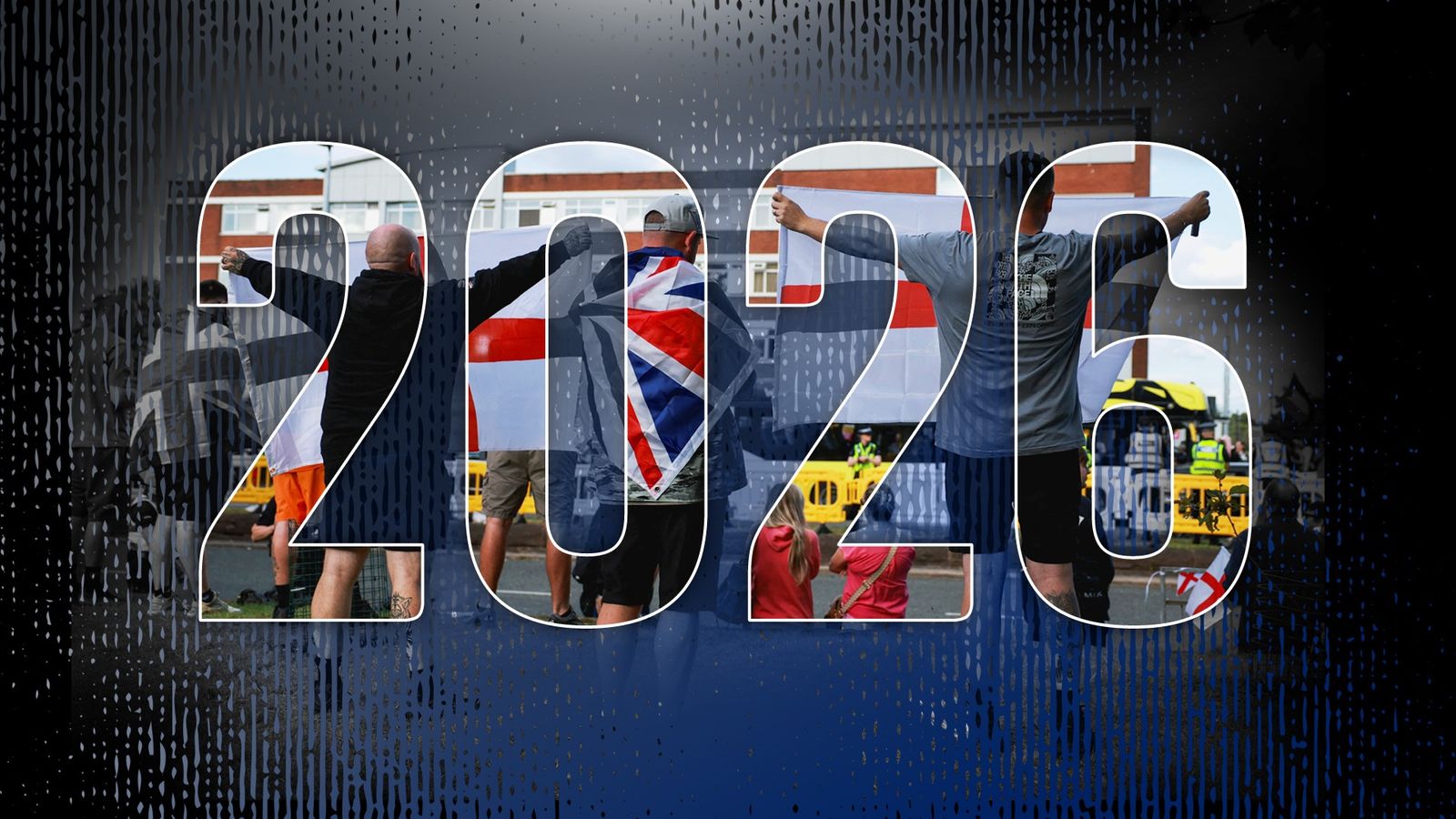
Migration protests outside hotels housing asylum seekers are likely to continue amid record-high net migration. Previous attempts to control migration, such as the Rwanda plan and the "one in, one out" policy, have not succeeded. The home secretary has outlined bold but uncertain immigration plans.
China's government, led by Xi Jinping, appears more confident. Tariffs have been reduced, and China leverages its rare earth resources. Trump is expected to visit Beijing in April 2026. Meanwhile, China continues applying pressure on Taiwan. The UK is focusing on advancement in AI and technology sectors, planning about 100 new data centres and implementing a sector-driven AI strategy rather than a single comprehensive AI bill.
Regarding the Ukraine war, an EU loan has eased Ukraine's finances but manpower shortages remain critical. Russia faces rising costs due to decreased oil revenue and higher taxes. By 11 January 2026, the war would have lasted longer than World War II. Russian President Vladimir Putin aims to declare victory by controlling Donbas, with Russia slated to hold its first parliamentary election since the invasion.