9,500-Year-Old Cremation Pyre in Northern Malawi Possibly Africa’s Oldest with Adult Remains
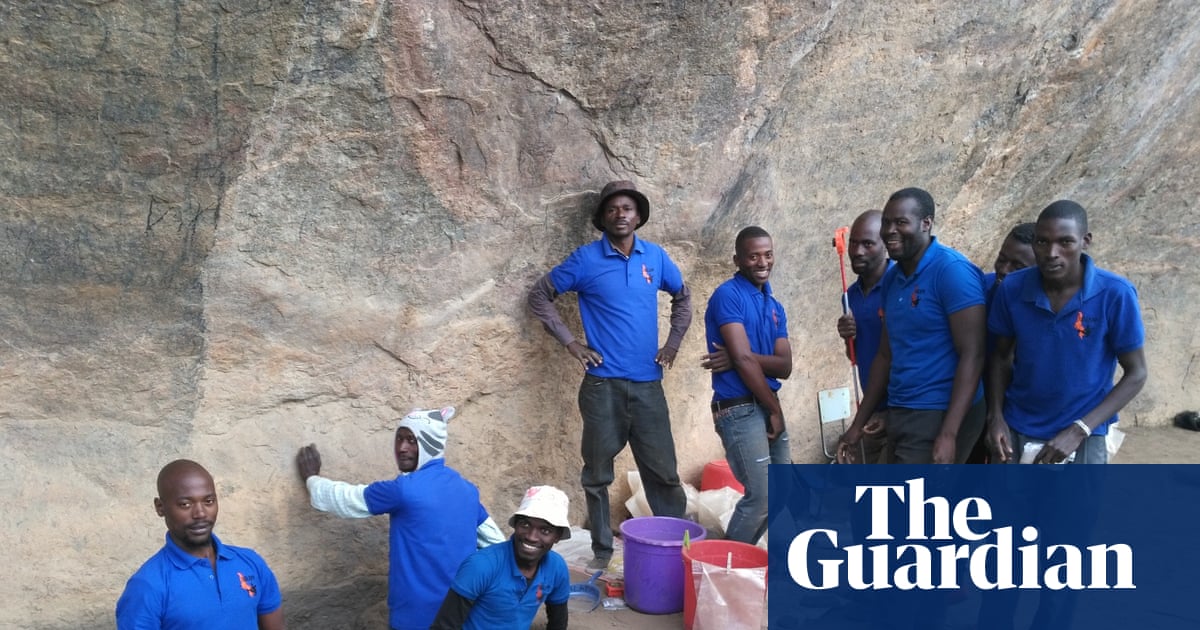
A cremation pyre dating back 9,500 years has been discovered in a rock shelter at Mount Hora in northern Malawi, potentially making it Africa’s oldest known pyre containing adult human remains. The site yielded 170 bone fragments attributed to an adult woman under 1.5 meters tall. Notably, the skull was missing, and the bones exhibited evidence of joint removal and flesh being stripped before burning. Two distinct bone clusters suggest the body was moved during the cremation process. The pyre itself was roughly the size of a queen-sized mattress.
The rock shelter, used as a natural monument, dates burials from approximately 16,000 to 8,000 years ago and includes flake and point tools from stone-knapping activities. Researchers interpret the removal of body parts possibly as tokens intended for curation or reburial elsewhere, with no signs of violence or cannibalism detected. Above the pyre location, a possible remembrance fire has been identified, indicating ongoing memorial practices.
This discovery suggests complex social roles and belief systems among ancient African hunter-gatherers, challenging prior stereotypes about tropical hunter-gatherer societies. The finding was published in Science Advances under the leadership of Jessica Cerezo-Román of the University of Oklahoma. Co-authors included Jessica Thompson from Yale University and Ebeth Sawchuk from the Cleveland Museum of Natural History.
Globally, the prior oldest known pyre with human remains was in Alaska, about 11,500 years ago, belonging to a young child. Until this discovery, Africa’s earliest confirmed intentional cremations were dated to about 3,500 years ago among pastoral Neolithic groups.