A Shift No Country Can Ignore: Where Global Emissions Stand 10 Years After the Paris Climate Agreement
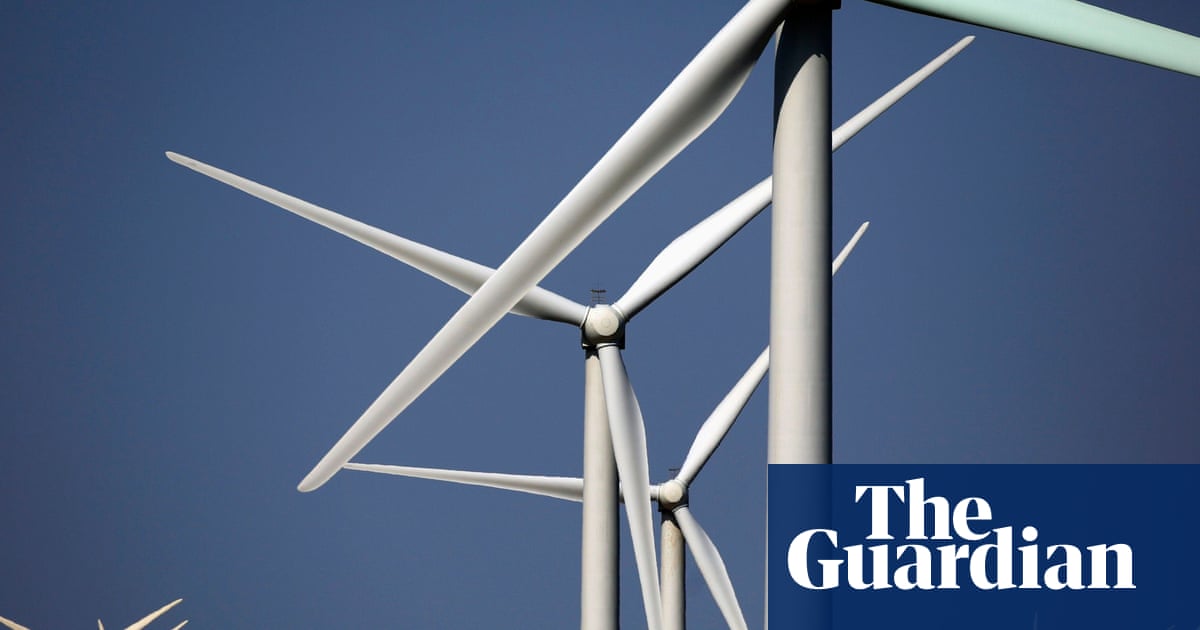
Renewable energy grew by 15% last year and now accounts for more than 90% of new power-generation capacity. Clean-energy investment exceeded $2 trillion, roughly double the investment in fossil fuels. Electric vehicles make up about 20% of global new-car sales, and low-carbon power supplies more than half of generation capacity in China and India. China's emissions are currently flatlining, with the country adding more renewable energy last year than the rest of the world combined. Clean energy constitutes about 10% of China's GDP, with solar-panel prices having fallen approximately 90% over the last decade. President Xi Jinping has pledged to accelerate the transition in the next five years.
China's CO2 emissions rose to about 12.3 billion tonnes last year following a coal-driven surge after 2017. Real estate, buildings, steel, and cement are cited as key drivers, but current policy aims to speed up clean energy deployment. India now has half of its installed power capacity from low-carbon sources and met its renewable targets early. Wind and solar growth remain strong, though coal production has also surged.
Global temperature projections improved after the Paris Agreement but remain above the 1.5°C target. The trajectory has declined from the original 4°C to around 3°C, then about 2.8°C after Cop26, with the current forecast roughly 2.5°C if existing promises are fulfilled. Climate finance and adaptation funding have advanced but shortfalls remain. Adaptation finance is expected to reach $120 billion per year by 2035 rather than 2030. A loss-and-damage fund was agreed upon, though rich-country contributions toward the $1.3 trillion annual target for 2035 are still contested, with an initial lower figure around $300 billion being discussed.
The viability of the Paris Agreement depends on richer nations delivering on their promises and leading the phaseout of oil and gas. Cooperation with oil-exporting states, such as the UAE, may be necessary, alongside demonstrating in developing economies that renewables can rapidly displace fossil fuels. Diplomacy in the multipolar world remains fragile. The United States’ negotiation tactics and visa-threat implications have raised concerns over progress. Climate envoy Tina Stege has emphasized that parties must avoid unilateral action and continue multilateral cooperation.
