Advancements and Applications of Cadmium Zinc Telluride (CZT) Detectors in Medicine and Science
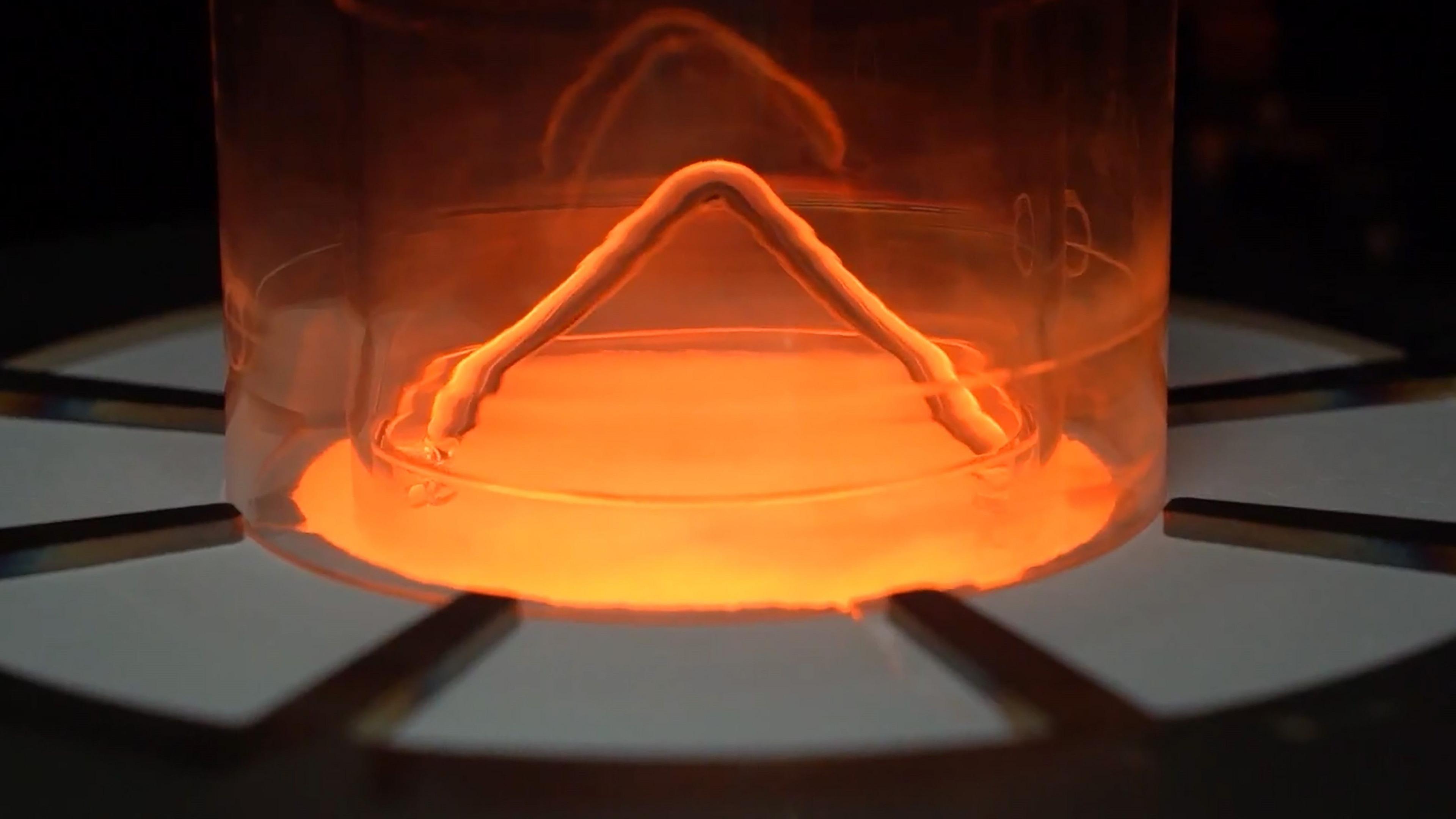
A cadmium zinc telluride (CZT)-based lung scanner was installed at the Royal Brompton Hospital in London last August, significantly reducing scan time from about 45 minutes to 15 minutes and cutting radiotracer doses by around 30%. CZT, a semiconductor capable of high-detail, three-dimensional imaging, is produced by Kromek, one of only a few manufacturers of this material. At Kromek's Sedgefield facility, about 170 furnaces convert powder into single-crystal CZT, which detects X-ray and gamma-ray photons with high precision.
CZT-based detectors operate via a single conversion step that preserves timing and energy information, allowing for color or spectroscopic imaging. Beyond medical applications, CZT has widespread uses including in X-ray telescopes, radiation detectors, and airport security. It is currently used for explosives detection at UK airports and in baggage screening in some US airports, with plans for hand-luggage screening expected to come in the near future.
Researchers, such as Professor Krawczynski, seek very thin (0.8 mm) CZT detectors for space telescopes. However, the high demand sometimes results in the need to substitute CZT with other materials like cadmium telluride, as sourcing adequate quantities from Kromek can be challenging.
In Oxfordshire, the Diamond Light Source, the UK's national synchrotron facility, will undergo a major upgrade costing around £500 million, set to complete in 2030. This upgrade will incorporate CZT-based detectors to enable brighter X-rays and improved material analysis. According to Science and Technology Facilities Council partner Matt Veale, upgrading the facility without capable detectors would be pointless, highlighting CZT as the detector material of choice for the upgrade.
Additionally, a planned Antarctic mission utilizing CZT detectors was scheduled to fly in December, but its dates remain uncertain due to the ongoing US government shutdown.