Advancements in CZT-Based Imaging Technology Enhance Medical and Scientific Applications
Royal Brompton Hospital in London installed a CZT-based scanner in August 2024, significantly reducing certain lung scan times from about 45 minutes to 15 minutes. This technology uses the semiconductor cadmium zinc telluride (CZT) to enable high-detail, 3D imaging by detecting gamma rays. The CZT material used in the scanner is produced by Kromek, one of only a few global manufacturers of CZT detectors.
The new scanner technology allows for a reduction of around 30% in the radioactive tracer dose used during scans. Although CZT-based scanners have been in existence, large, whole-body systems are a relatively recent development.
Beyond medical imaging, CZT is utilized in various fields such as X-ray telescopes, radiation detectors, and airport security. In the UK, CZT detectors are employed for explosives detection at airports, and similar technology is used for baggage screening in some US airports.
In Oxfordshire, the Diamond Light Source synchrotron is undergoing a nearly £0.5 billion upgrade, set to complete by 2030. This project includes incorporating CZT-based detectors to enable brighter X-rays and improved detection capabilities, driven by the demands of handling brighter X-rays.
There is high demand for CZT detectors, and Kromek faces challenges in supplying many different types of detectors to researchers. Specialists like Professor Henric Krawczynski from Washington University seek very thin CZT detectors, about 0.8 mm thick. These specific detectors are sometimes unavailable from Kromek, prompting some researchers to use cadmium telluride as an alternative amid broader supply constraints.
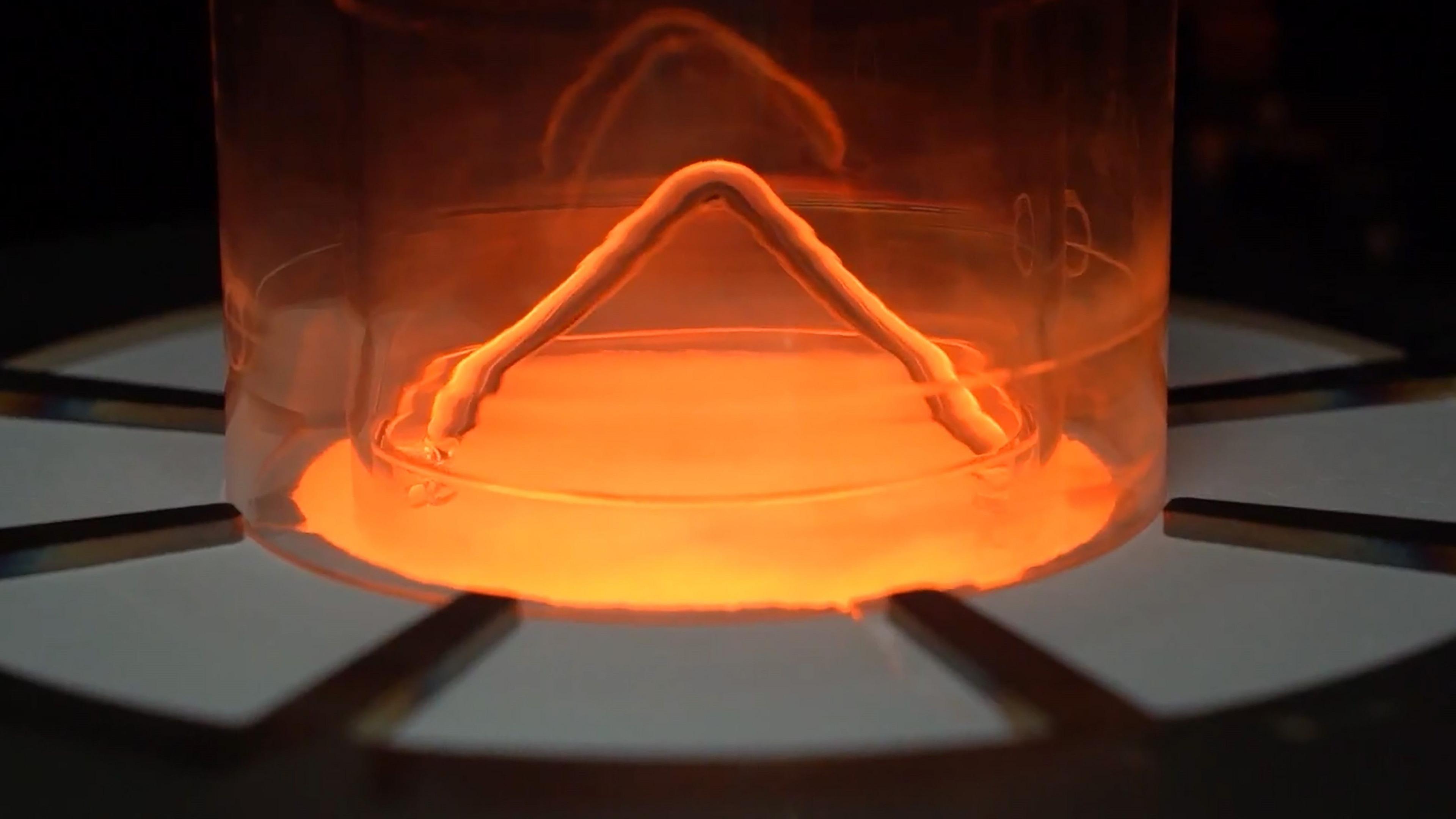
CZT production at Kromek’s Sedgefield facility is a complex, weeks-long process that involves melting a specialized powder in 170 furnaces to grow single-crystal CZT. This atom-by-atom growth process yields detectors capable of sensitive X-ray and gamma-ray detection, supporting the diverse applications of this advanced technology.