Advancements in CZT Detector Technology Enhance Medical Imaging and Other Fields
The Royal Brompton Hospital in London recently installed a cadmium zinc telluride (CZT)-based scanner, significantly improving lung scans by reducing the time from about 45 minutes to 15 minutes while also enabling a roughly 30% reduction in radiation dose required. CZT is a rare semiconductor material that allows high-detail 3D imaging by preserving timing and energy information through a digital single-conversion step, making spectroscopic imaging of X-rays and gamma rays from injected radiopharmaceuticals possible.
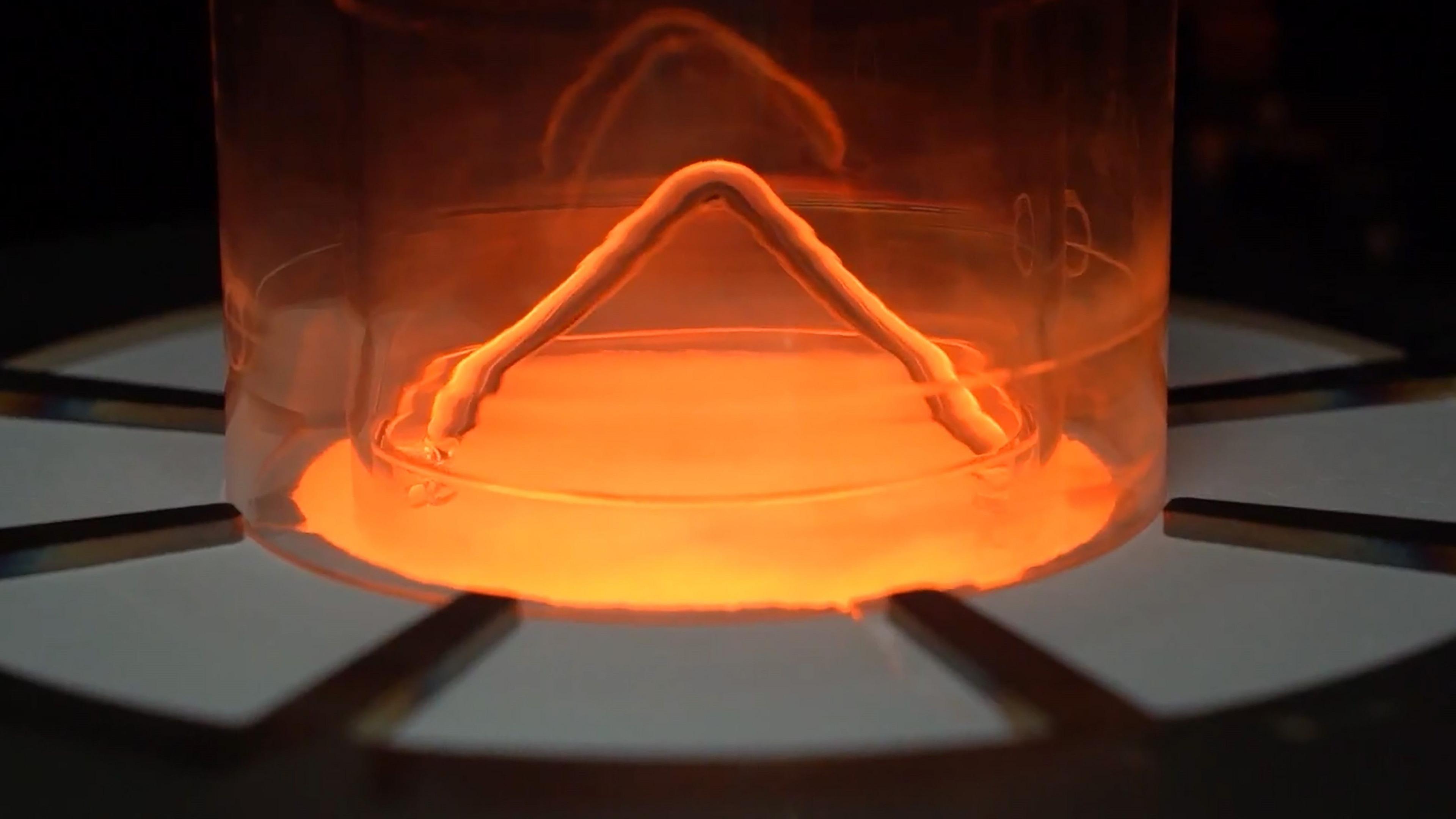
Kromek, a UK company, is one of the few manufacturers producing CZT crystals, operating a facility in Sedgefield with around 170 furnaces. The CZT production process involves melting powder and crystallizing it into a single crystal over several weeks. The CZT detectors' use extends beyond medical imaging to applications in X-ray telescopes and airport security; they are employed in explosives detection in UK airports and baggage screening in select US airports.
The Royal Brompton scanner, costing approximately £1 million, benefits from these detectors by reducing the radiopharmaceutical dose necessary by about 30%. Looking forward, the Diamond Light Source in Oxfordshire plans a major upgrade estimated at half a billion pounds to install CZT-based detectors. This upgrade, expected to complete around 2030, will enable brighter X-rays to be used in materials analysis.
Researchers such as Professor Henric Krawczynski from Washington University have sought CZT detectors for instrumentation in space-era missions but have faced supply challenges, sometimes resorting to cadmium telluride instead. A planned Antarctic mission was among those affected by disruptions related to the US government shutdown, impacting scheduling.