Advances and Challenges in Cadmium Zinc Telluride Detector Applications
A cadmium zinc telluride (CZT) detector is currently powering a £1 million CT scanner at the Royal Brompton Hospital in London, installed last August. This advanced scanner has reduced the scan time from about 45 minutes to 15 minutes, significantly aiding the detection of clots in patients with long Covid and pulmonary embolism.
CZT detectors enable digital, single-step data conversion that preserves timing and energy information, allowing for spectroscopic imaging in CT scans. This sensitivity of CZT allows for roughly a 30% reduction in the radiotracer dose used during imaging, enhancing patient safety.
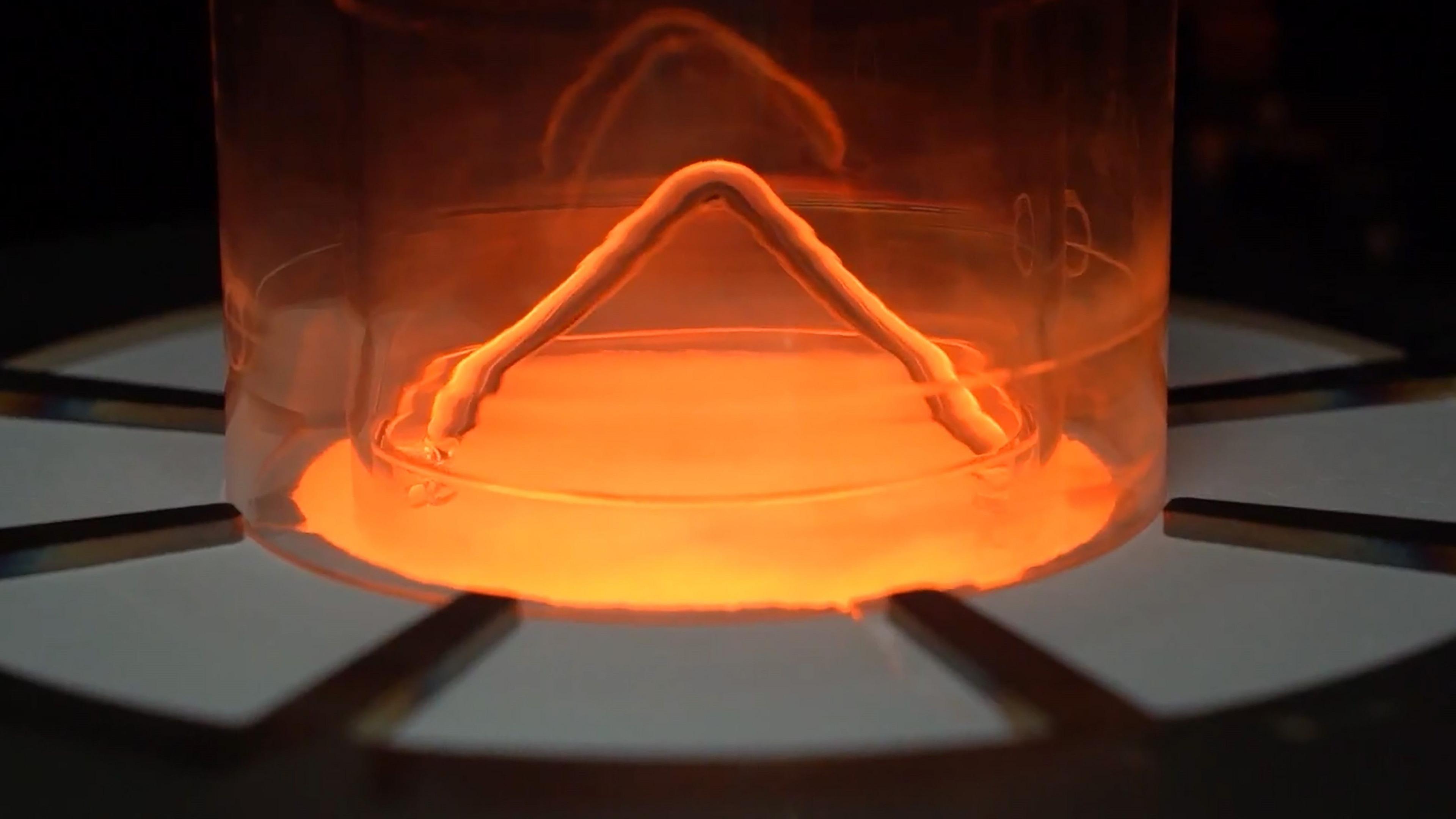
The UK-based company Kromek is among the few firms capable of producing CZT at an industrial scale. Their Sedgefield facility employs around 170 furnaces to grow CZT crystals. However, researchers continue to face supply constraints; for example, Prof. Henric Krawczynski sought 17 new 0.8 mm CZT detectors for space telescopes but was unable to source them from Kromek, illustrating the demand and sourcing challenges in this sector.
Beyond medical applications, CZT is widely used in X-ray telescopes, radiation detectors, and airport security scanners, including explosives detection at some airports in the UK and US.
The Diamond Light Source upgrade in Oxfordshire, which will cost about £500 million and is scheduled for completion in 2030, plans to install CZT-based detectors to deliver brighter X-rays for materials analysis.
Meanwhile, a planned Antarctica mission scheduled for December is currently in flux due to the US government shutdown.