Advances in Cadmium Zinc Telluride-Based Imaging Technologies
Royal Brompton Hospital in London installed a scanner based on cadmium zinc telluride (CZT) technology last year, reducing lung scan times from 45 minutes to 15 minutes. CZT is a rare and hard-to-manufacture material, with Kromek among the few companies capable of producing it. The CZT detectors enable high-detail 3D imaging and spectroscopic imaging through a single digital conversion process, preserving both timing and energy information.
The scanner operates with a radiopharmaceutical injected into patients, and thanks to the high sensitivity of CZT, it allows for approximately a 30% reduction in the radiation dose. Beyond medical applications, CZT-based scanners are currently used for explosives detection at UK airports and in some US baggage screening, with plans for potential expansion into screening hand luggage in the coming years.
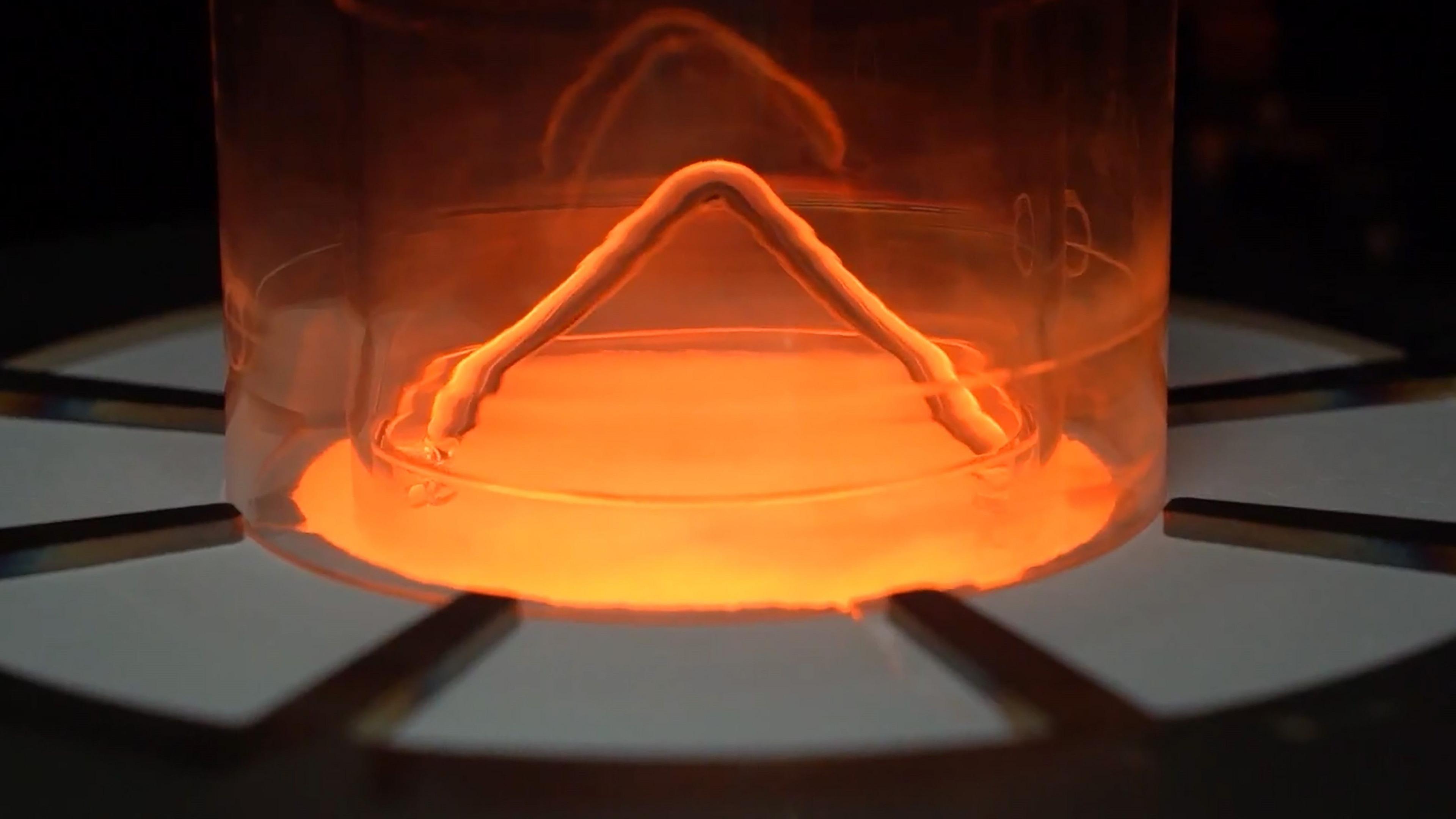
Producing CZT requires multiple furnaces in a crystal growth process described as atom-by-atom alignment that takes weeks, with manufacturing capacity limited by supplier demand. In Oxfordshire, the Diamond Light Source facility is undergoing a £500 million upgrade expected to be completed by 2030. The upgrade will utilize CZT-based detectors to achieve brighter X-rays, prompted by the need for more sensitive detectors. Matt Veale of the STFC has been quoted regarding these advancements.