Affordability and Economy Shape 2025-2026 Political Landscape Amid Redistricting and Election Surprises
The political focus on affordability played a decisive role in the 2025 elections, with Democrats noting strong performances by figures like Mikie Sherrill in New Jersey and Abigail Spanberger in Virginia. Cost of living remained a core theme in campaigns, exemplified by Zohran Mamdani's successful bid for New York City's mayoral seat where he leveraged cost concerns as a centerpiece. The Democratic Congressional Campaign Committee chair, Suzan DelBene, emphasized affordability as a core strategy to regain the House in 2026, aiming to flip three GOP seats.
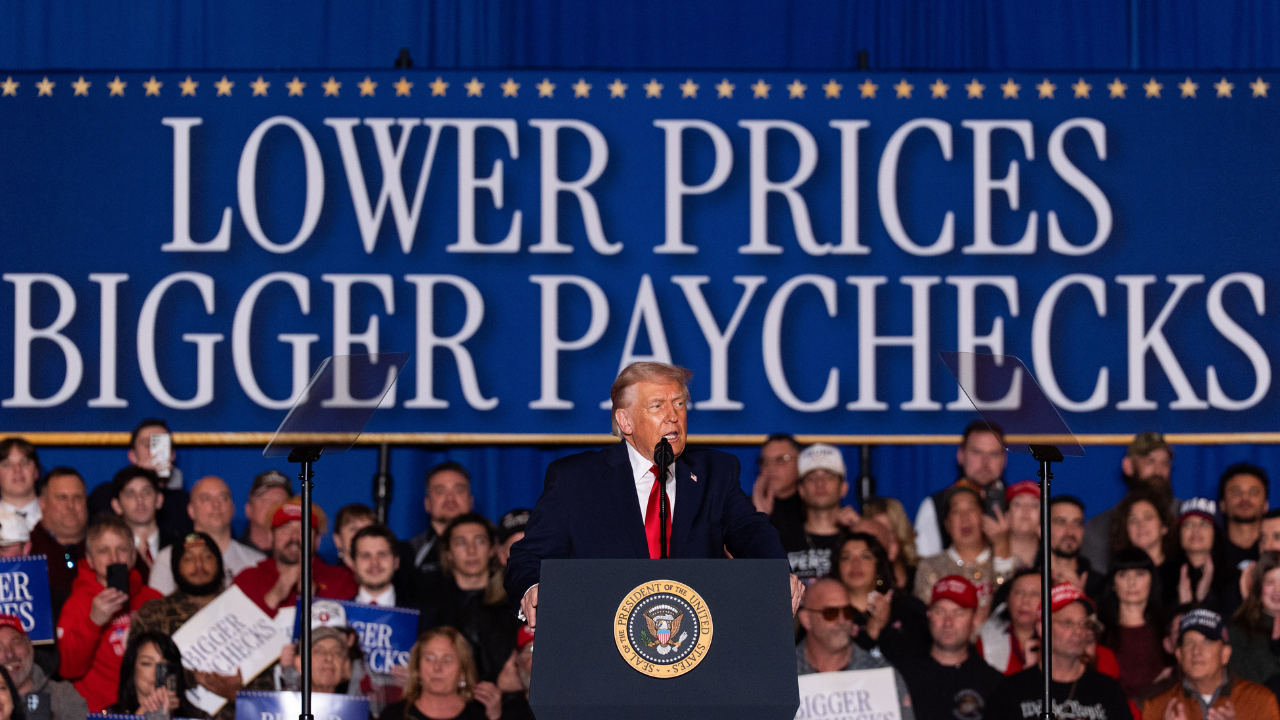
Republicans responded by blaming President Biden for economic problems and positioned themselves with Trump to restore the economy. GOP leaders are framing 2026 as the "year of affordability," highlighting measures like tax cuts and tariff reductions aimed at lowering prices, including food costs. Trump has campaigned actively in key battleground states such as Pennsylvania and North Carolina to promote these efforts.
Despite some positive economic indicators such as a roughly $1,200 increase in inflation-adjusted median family income this year and increased wealth among Americans—about 160 million hold retirement savings in stocks—a Fox News national poll reveals widespread economic pessimism, with approximately 75-76% viewing the economy negatively. Rising costs in groceries, utilities, healthcare, and housing contribute to this sentiment, with voters placing more blame on Trump’s policies than Biden’s. Some prices like gasoline and airline tickets have decreased, but overall affordability remains a challenge.
Stephen Moore, discussing the economy, compares Trump's current situation to Ronald Reagan’s early presidency after Jimmy Carter, suggesting the administration should maintain its course amid projected growth of about 4.3%, expecting continued economic expansion in 2026. Affordability concerns and empathetic messaging are seen as instrumental for Trump to improve voter perception.
On the political front, 2025 witnessed significant developments including Trump's proposal for mid-decade congressional redistricting aimed at expanding the GOP’s House majority, starting with Texas. Governor Greg Abbott called a special session to pass the new map, though Democrats attempted to block it by breaking quorum. California voters approved Proposition 50, temporarily returning redistricting control to the legislature, potentially adding five Democratic-leaning seats. Similar efforts spread to Missouri, North Carolina, and Ohio. The Supreme Court’s conservative majority approved Texas’ map, while Utah’s district court rejected a GOP-drawn map, creating a Democratic-leaning district ahead of the 2026 elections.
In Virginia, Democratic attorney general nominee Jay Jones overcame backlash over past texts to win the AG race by six points, while Abigail Spanberger won the gubernatorial race by a 15-point margin, and Democrats secured the lieutenant governor post by 11 points. Overall, Democrats overperformed in 2025 elections, winning 227 of 255 key races including the Iowa Senate, Wisconsin Supreme Court, and mayoral and house seats in Georgia and Miami, despite Quinnipiac polls showing historically low congressional Democratic approval ratings.
The culmination of these trends is embodied by Zohran Mamdani, who won the New York City Democratic mayoral primary in June 2025 and later the general election, energizing the left. Notably, Trump met with Mamdani at the White House in November 2025. Democrats criticize Republicans for manufacturing economic troubles, with DNC chair Ken Martin predicting a ballot-box disaster for Trump and the GOP in upcoming elections. Meanwhile, GOP figures like Tim Scott emphasize policy-driven improvements as they prepare for the 2026 elections, underscoring affordability as the pivotal issue moving forward.