Affordability Challenges Shape 2024-2026 U.S. Political Landscape Amid Election Shocks
Affordability emerged as a critical issue influencing U.S. politics between 2024 and 2025, significantly affecting both parties' momentum and shaping voter sentiment ahead of the 2026 midterm elections.
In 2024, affordability concerns boosted former President Donald Trump and Republicans, but by 2025, persistent inflation cooled that momentum. Democrats credited sustained focus on affordability efforts for their 2025 election successes, with figures such as Mikie Sherrill of New Jersey and Abigail Spanberger of Virginia outperforming polls. Notably, Zohran Mamdani won the New York City mayoral race by centering his campaign on cost of living and affordability issues, energizing the left despite former President Trump's previous criticisms of Mamdani. The Democratic Congressional Campaign Committee (DCCC) plans to maintain affordability as a core theme into the 2026 midterms, aiming to flip three GOP-held House seats to regain the chamber.
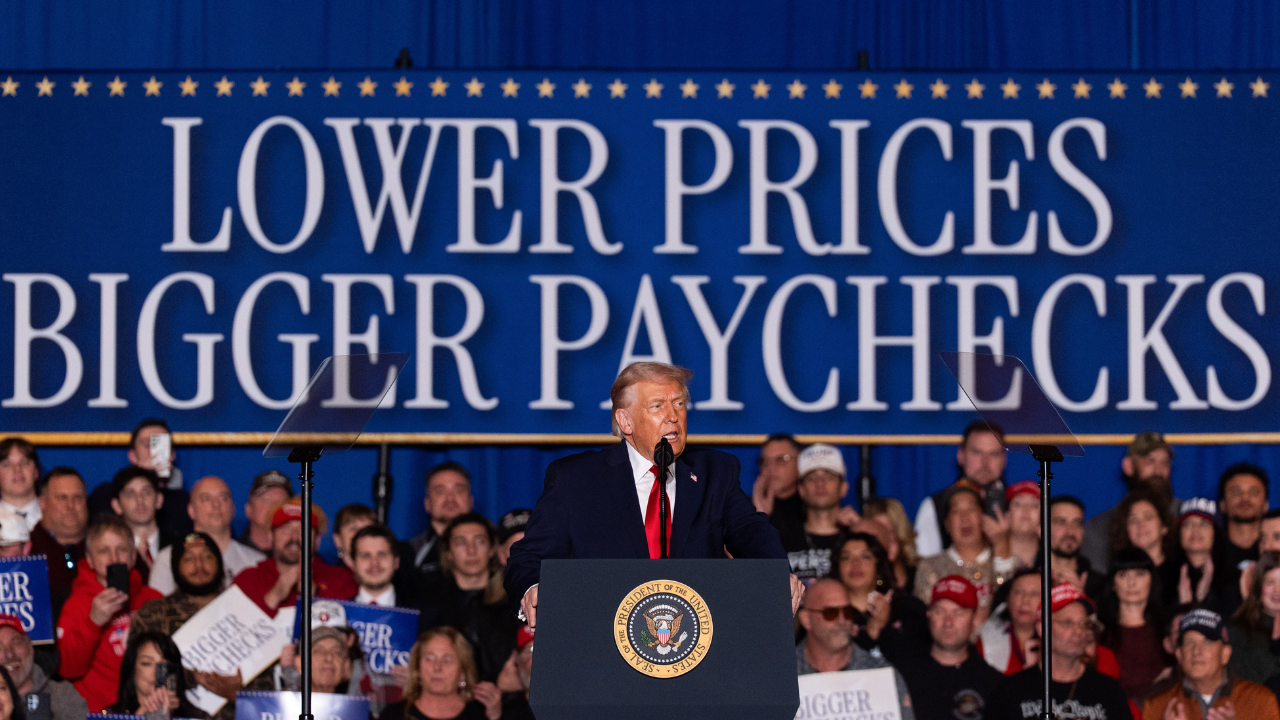
Republicans attribute economic challenges to President Joe Biden and argue that Trump's leadership will provide solutions. Trump campaigned in key states such as Pennsylvania and North Carolina touting efforts to reduce prices. GOP policymakers cite earlier tax cuts signed under Trump's administration as part of efforts to improve affordability. Senator Tim Scott framed 2026 as a pivotal year for voters to reap benefits from such affordability initiatives. However, polls reflect negative public perception of the economy, with a Fox News national poll showing that 76% of voters view it unfavorably—an increase from 67% in July and 70% at the end of Biden's term. The same poll indicated that approximately three times as many voters blame Trump's policies rather than Biden's for their personal economic difficulties.
Economist Stephen Moore highlighted that despite voter perception lagging due to affordability concerns, Trump's economic record shows signs of momentum. Median family income rose roughly $1,200 in 2025 after adjusting for inflation, and wealth has increased with about 160 million Americans owning stocks through retirement accounts. While some prices continue to rise, declines in gasoline, airline tickets, and some everyday items provide partial offsets. Moore compared Trump's situation to Ronald Reagan's early presidency post-Jimmy Carter, suggesting a need for continued policy consistency to replicate economic recovery. Recent data indicate growth around 4.3%, with expectations of strong economic performance continuing into 2026.
The 2025 off-year elections acted as a barometer for the upcoming midterms, with Democrats overperforming in many major races, including state legislative seats, Wisconsin Supreme Court, and gubernatorial contests in New Jersey and Virginia. A Democratic memo noted winning or exceeding expectations in 227 of 255 key elections. The Virginia races produced significant outcomes with Abigail Spanberger winning the governorship by 15 points and attorney general Jay Jones prevailing despite prior controversy over past texts. Meanwhile, the GOP sought to strengthen its House majority through mid-decade redistricting efforts, notably in Texas where a Supreme Court ruling allowed the state's map. California countered that move through Prop 50, and other states such as Utah, Indiana, Illinois, Maryland, Kentucky, and Kansas navigated complex redistricting battles with mixed results.
The 2025 Tennessee GOP-leaning special election, where Democrat Aftyn Behn lost by nine points in a district Trump had carried by 22 points, fueled discussions among Republicans favoring more moderate candidates. As both parties prepare for 2026, Democrats warn that Republicans manufactured current economic challenges and caution of a potential ballot box disaster for Trump and his party, while GOP leaders emphasize their agenda's affordability benefits.
Overall, affordability remains a central theme influencing voter behavior and party strategies amid a polarized political environment shaped by economic challenges and notable election surprises.