Afghan Evacuees Face New Immigration Hurdles Under Trump-Era Policies
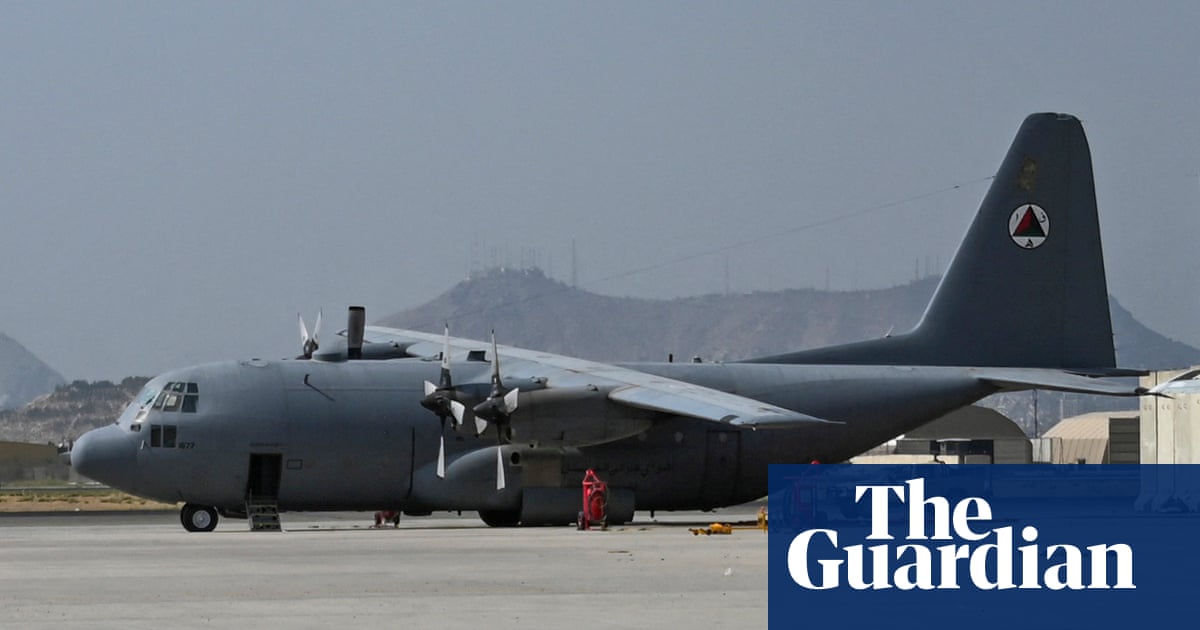
Ali, a 25-year-old Afghan air force pilot, evacuated Kabul on 15 August 2021 along with more than 400 Afghan personnel using a Pilatus PC-12 adapted for Intelligence, Surveillance, and Reconnaissance. While Ali's family was left in a safe location, he now resides in Boise, Idaho, where he drives for Uber and attends flight training, hoping to reunite with his fiancé and family in the United States after securing immigration status.
Ali was granted asylum in the US on 3 January 2025 and expects to obtain a green card in 2026, with plans to petition for his fiancé to join him. Despite these hopes, Afghan communities face growing uncertainty and fear after a man connected to the shooting of two National Guard soldiers in Washington DC was apprehended on 26 November 2025. Many fear this incident may be used to justify renewed scrutiny and detentions among Afghans.
Since the Trump administration, sweeping changes have frozen immigration pathways for Afghans. These included pausing asylum cases, halting visa issuances to Afghans, reviewing green cards for immigrants from the Middle East and Africa, and reopening Biden-era approvals for closer scrutiny. Special immigrant visas for Afghans were suspended, green-card processing was halted, and detentions during routine immigration appointments increased.
Earlier in 2025, refugee admissions were curtailed and the travel ban affecting several Muslim-majority countries was expanded, though with exemptions for white South African applicants. Jennifer Patota of the International Refugee Assistance Project criticized these measures as unjust and counterproductive, punishing an entire nationality and narrowing who belongs in the US.
On 9 December 2025, a coalition of over 130 organizations led by Refugee Council USA urged the reversal of these policies. John Slocum warned that the US is breaking promises to wartime allies and undermining its reliability on the global stage.