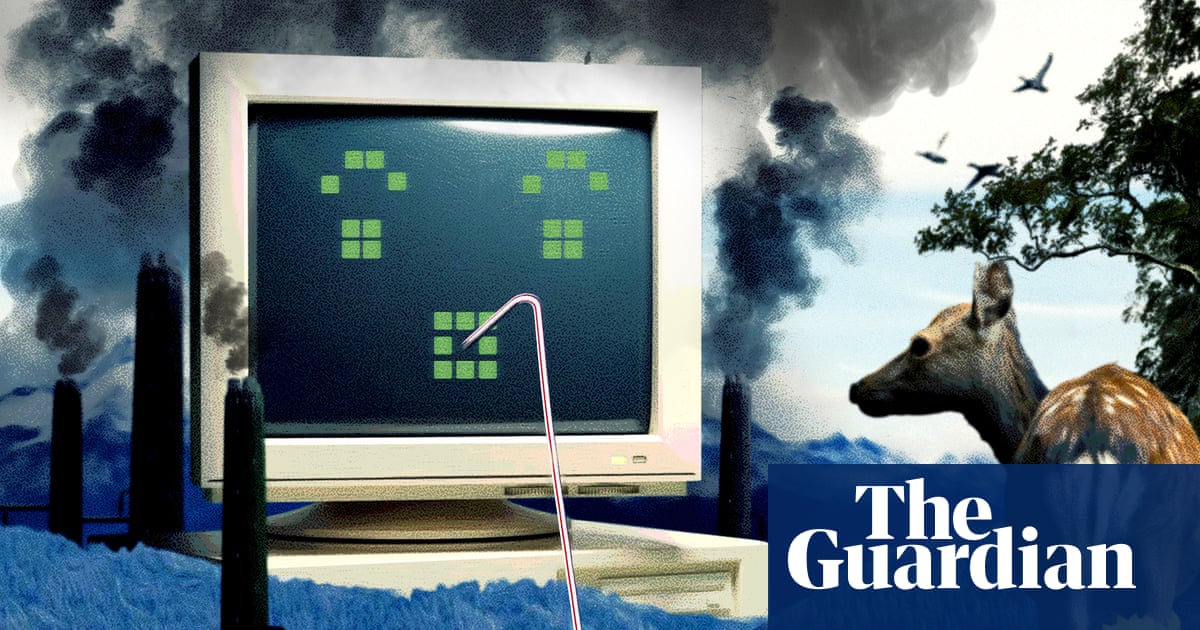
AI's Growing Energy Consumption and Climate Impact: Challenges and Potential Benefits
Datacentres currently consume about 1% of global electricity, with US datacentres expected to account for 8.6% of US electricity by 2035. These facilities are projected to drive at least 20% of rich-world electricity demand growth through the end of the decade, according to the IEA and BloombergNEF.
In Ireland, datacentres already use about one-fifth of electricity and may approach one-third of the country's consumption. Due to high demand, grid connections were effectively banned in 2021. Consequently, Ireland is building LNG terminals and power plants that burn LNG, allocating 2 GW of power specifically for AI and bitcoin operations.
Regarding energy sources, Chinese datacentres cluster in coal-heavy eastern regions, while in the US natural gas is expected to power most datacentre electricity needs. Some policy discussions mention coal as essential to the AI race.
Although energy cost estimates per query are relatively small (roughly 0.2–3 Wh for a simple text query), scale matters since services like ChatGPT have hundreds of millions of weekly users. This amplifies AI's overall footprint and raises questions about energy disclosures and true climate impact faced by major companies.
There are potential climate benefits to AI as well. The IEA states that existing AI applications could cut emissions beyond datacentre footprints. A study by the London School of Economics and Systemiq models AI facilitating solar and wind integration, discovering new proteins, improving batteries, and encouraging climate-friendly consumer choices.
Examples of AI-driven efficiency gains include Google's report of a 40% reduction in datacentre cooling energy, Iberdrola's noted 25% improvement in wind turbine maintenance, and Engie's reduction in solar farm downtime.
Policy and activism also play roles. The UN special rapporteur has called for a moratorium on new datacentres. Over 230 US environmental groups urge a national moratorium. Ireland requires datacentres to source at least 80% of their annual electricity consumption from new renewables. Spain includes AI considerations in policy discussions.
Industry responses vary: OpenAI emphasizes sustainability efforts and collaboration with partners to meet goals; Microsoft acknowledges the complexity of energy transition but highlights AI's potential to aid decarbonisation. Google and xAI did not respond to requests for comment.
Regarding oil and gas, the IEA notes AI could increase technically recoverable oil and gas reserves by about 5% and cut deepwater project costs by roughly 10%. Aramco leaders describe AI as embedded in all activities and useful for methane leak detection. The industry views AI as a tool for both boosting productivity and reducing environmental impacts.
Finally, consumer and market dynamics show generative AI advertisements potentially enhancing consumer spending. For instance, travel company TUI is investing substantially in AI to support holiday bookings.