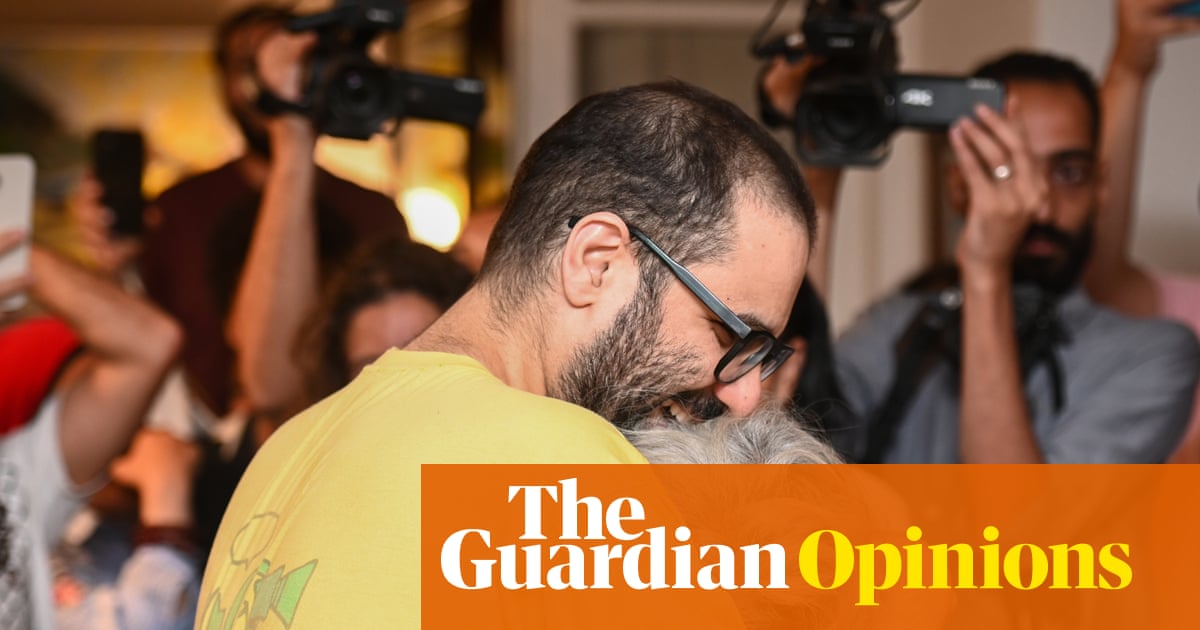
Alaa Abd el-Fattah's Release and Controversy over British Citizenship
Alaa Abd el-Fattah, a British-Egyptian pro-democracy and anti-sectarian activist, was released from Egyptian detention on 23 September 2025 in Cairo after years in jail, including time in Tora prison where he reportedly endured torture. His imprisonment began following Egypt's 2013 military coup, with charges including organizing a peaceful demonstration and sharing posts about torture, and he spent periods in maximum-security detention.
Previously subjected to a travel ban that prevented him from leaving Egypt, Abd el-Fattah landed at Heathrow airport on Boxing Day 2025, marking the first time in years he could be reunited with his son. He is eligible for British citizenship through his UK-born mother, Laila Soueif.
Following his arrival in the UK, calls to strip Abd el-Fattah of his citizenship and deport him gained traction among far-right groups and some UK politicians. Campaigners and media outlets such as Tommy Robinson, Reform UK, and the Sunday Telegraph amplified criticism of his admission to the UK. Conservative figures urged that his online activity be considered in citizenship decisions.
Critics have sought to brand Abd el-Fattah as an "anti-white Islamist," ignoring his nuanced history and activism. Throughout his long activism, Abd el-Fattah has consistently expressed views against terrorism and civilian killings. He has also articulated positions critical of Zionism while distinguishing his views from opposition to Jews as a religion, highlighting anti-Zionist Jewish voices.
In 2011, Abd el-Fattah stood in solidarity with Coptic Christians after a brutal attack on peaceful protesters, helping families and preserving evidence of military crimes, actions that contributed to his subsequent arrests.
The campaign against him has been framed as an attempt to frighten voters about Muslims and migrants. Observers note that Abd el-Fattah was prolific on Twitter, posting approximately 280,000 times, with colleagues estimating his writings could fill about 100 books of 300 pages each. His freedom is regarded as a hard-won victory and a symbol of hope for a non-sectarian, democratic Egypt and a victim of a repressive regime.