Alaa Abd el-Fattah's UK Citizenship and the Shifting Debate on British National Identity
Alaa Abd el-Fattah arrived in the UK last week after spending about a decade as a political prisoner in Egypt. He had been granted UK citizenship in 2021. Despite this, Conservative and Reform UK parties have called for Abd el-Fattah to be stripped of his UK citizenship over past tweets, for which Abd el-Fattah has apologized.
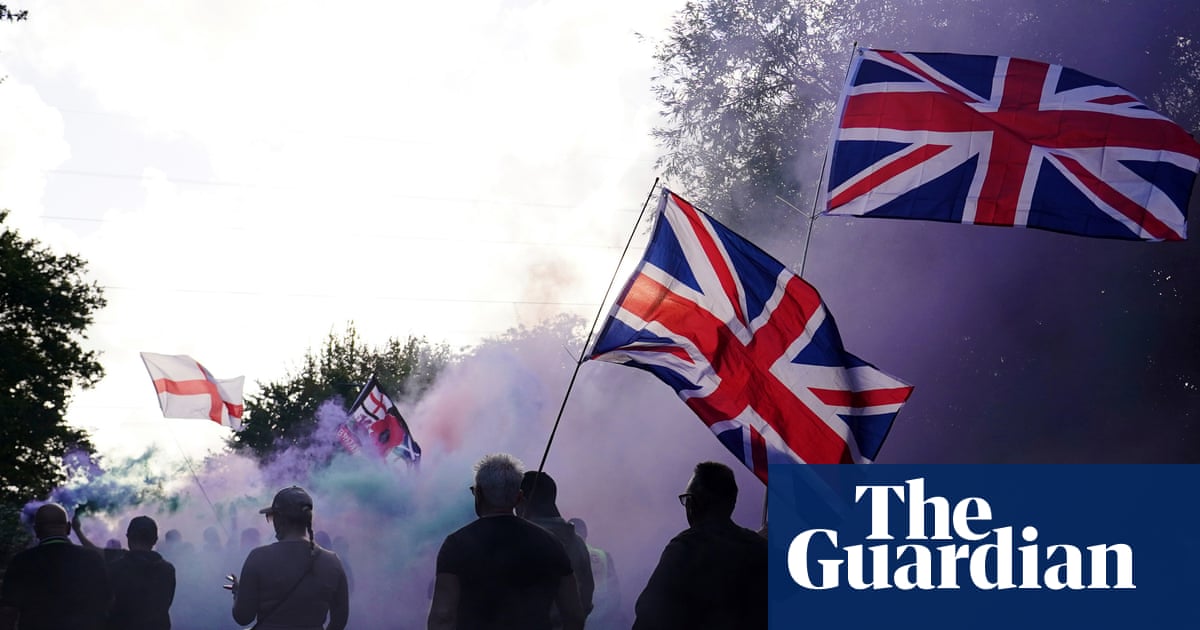
Downing Street affirmed that Abd el-Fattah has the right to consular support like any British citizen, highlighting policies related to dual nationals and those with foreign heritage. This case illustrates a larger shift in the Overton window regarding national identity. Mainstream parties are appearing more open to deportation-style policies even for legally resident people.
Research by IPPR shows that 36% of voters now believe Britishness must be born in Britain, an increase from 19% in 2023. The case also highlights diverse paths to British citizenship, with examples such as Nazanin Zaghari-Ratcliffe and Jimmy Lai underscoring multiple routes under UK law.
Meanwhile, Labour leader Keir Starmer is emphasizing national identity issues, framing the upcoming election as a battle between progressive patriotism and nationalist politics. However, some ministers privately believe he should adopt a more forceful approach.