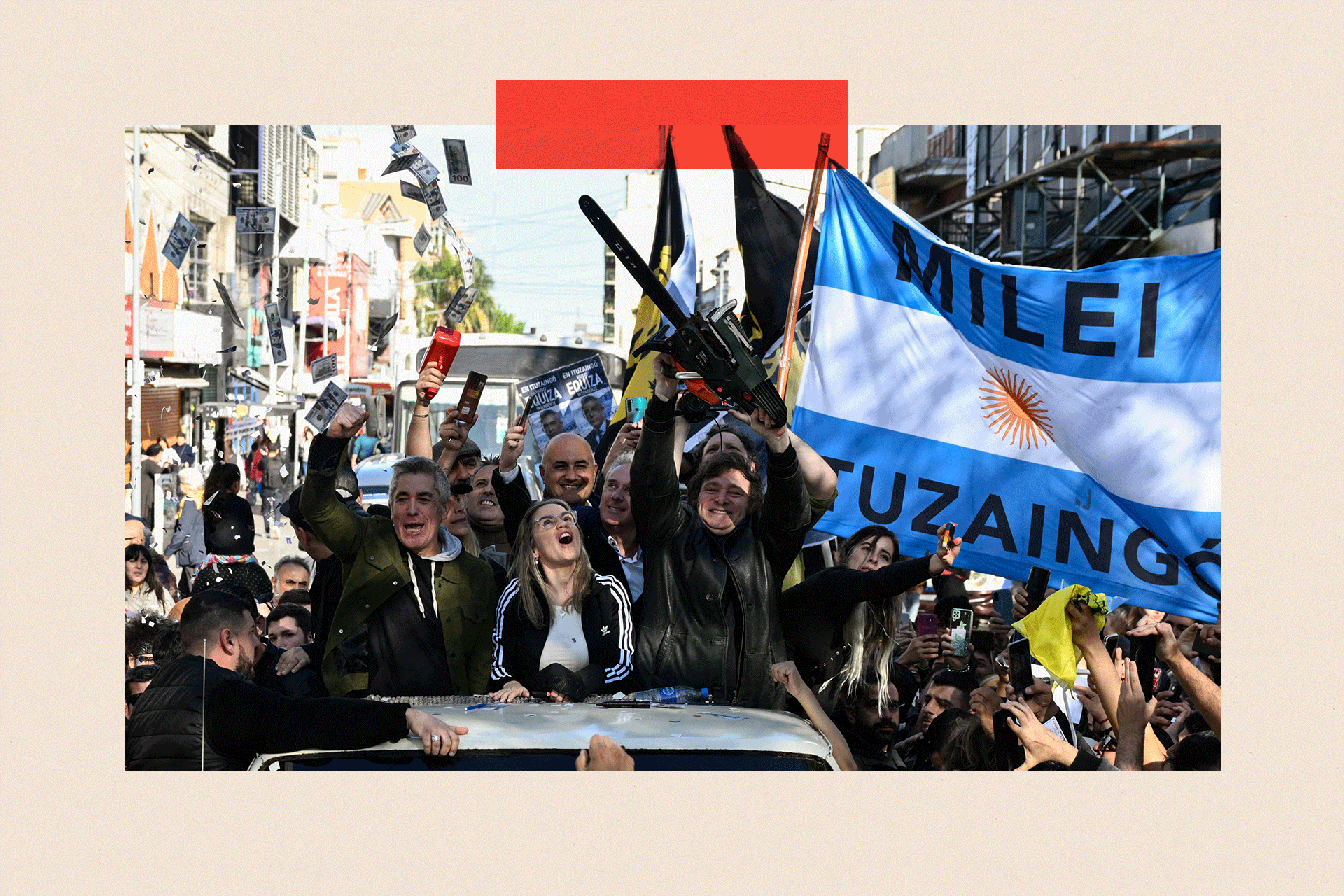
Argentina's Milei Implements Controversial Economic Reforms Amid Protests
Javier Milei, who took office in December 2023 as Argentina's president, campaigned on a platform to drastically shrink the state, promising to slash ministries, subsidies, and dismantle the country's entrenched economic caste.
Facing a backdrop of over 211% inflation and around 40% poverty in 2023, Milei's reforms aimed to stabilize the economy. After the initial measures, Argentina posted its first fiscal surplus in 14 years and saw inflation fall to about 36%.
Milei's policy package included halving the number of ministries, cutting tens of thousands of public sector jobs, significantly reducing budgets for education, health, pensions, and infrastructure, removing subsidies, and devaluing the peso by about 50%.
The administration also deregulated the yerba mate industry by removing minimum pricing, which adversely affected producers as crop values dropped below production costs. Moreover, Argentina’s textile sector suffered widespread closures and over 10,000 direct job losses, exacerbated by liberalized imports that critics say created an unequal playing field.
These sweeping reforms sparked protests across the country, with police responding by deploying tear gas, rubber bullets, and water cannons to control demonstrators.
On the international front, US President Donald Trump referred to Milei as "my favourite president" and plans were underway for a meeting at the White House. Washington also supported a $20 billion currency swap to assist the peso, coupled with International Monetary Fund backing. Meanwhile, the UK Conservative politician Kemi Badenoch praised Milei's measures as a possible template for future Conservative governance.
Despite progress, Argentina still faces significant challenges, including about £31 billion owed to the IMF, with £15 billion scheduled in debt repayments next year.