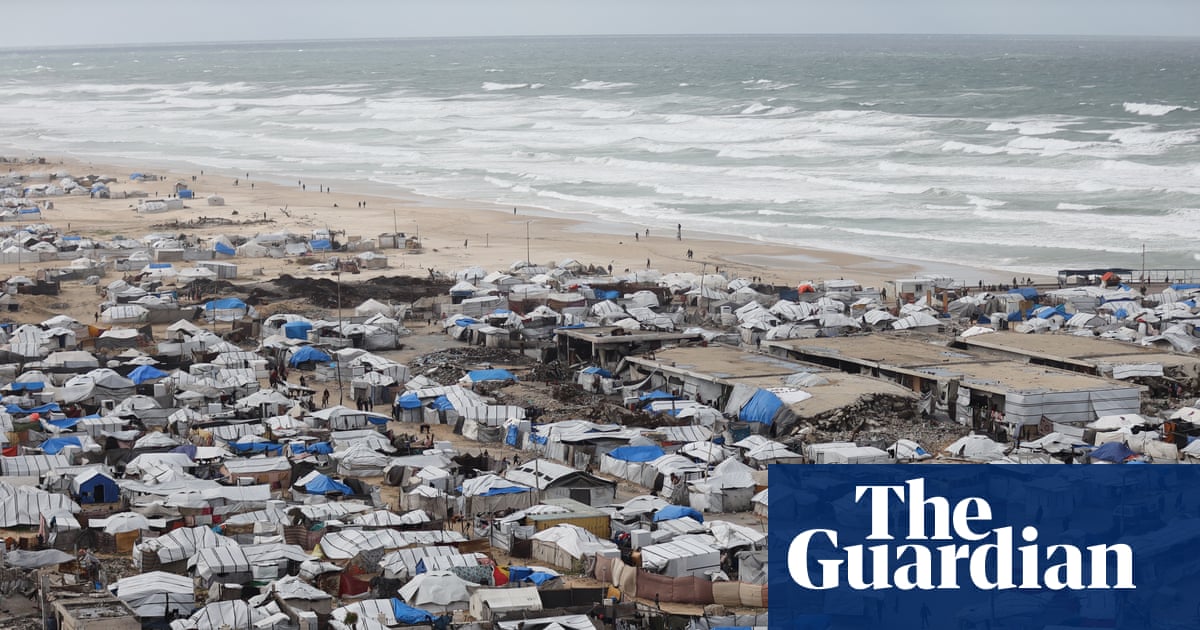
Assessment finds many tents supplied to displaced Palestinians inadequate for Gaza winter
A recent assessment by the Palestine Shelter Cluster has found that many tents donated from Egypt, Saudi Arabia, and China are largely unsuitable for Gaza's winter conditions. Issues identified include non-waterproof fabric, weak structures, lack of flooring, small windows, roof leaks, and fabric tearing, particularly with the Egyptian tents. In contrast, tents donated by Qatar, the United Arab Emirates, and the United Nations meet UN specifications.
These findings are based on approximately 9,000 social media responses alongside field observations and community feedback, challenging previous claims that shelter in Gaza is adequate. Storms have damaged or blown down thousands of tents, affecting around 235,000 people. Gaza's population of 2.3 million residents has faced multiple displacements since October 2023.
Since the ceasefire in October, the UN and major NGOs have supplied about 20,000 of the roughly 90,000 tents that have entered Gaza, with much of the remainder coming from donor countries. The Israeli defense ministry body COGAT is facilitating winterization efforts by allowing more than 25,000 tonnes of tarpaulins and tents to enter Gaza despite ongoing humanitarian restrictions.
Aid officials warn that new Israeli registration requirements and tightened controls could have catastrophic consequences for relief efforts. Personal testimonies illustrate existing gaps in shelter quality and availability: Linda Abu Halima, 30, from Mawasi reports that her tent leaks and she cannot afford a replacement. Similarly, 25-year-old Jawaher Abd Rabbo from Gaza City describes living in a ruined building with inadequate shelter.