Automation Drives Retail Job Losses Amid Rising Costs and Shifting Market Trends
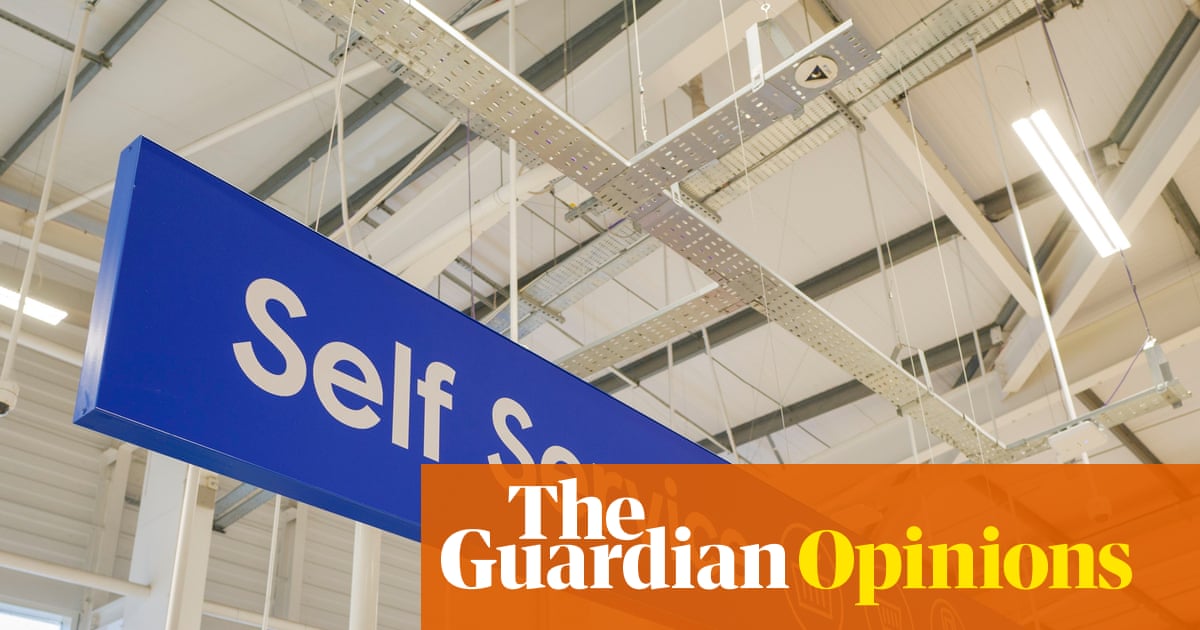
Retail stores across the UK are experiencing widespread automation, including the use of self-service checkouts, electronic shelf labels, handheld scanners, and AI facial-recognition video screens.
Data shows retail vacancies fell almost 6% in November, reaching a decade-low excluding the Covid period, according to Adzuna. Meanwhile, UK unemployment has risen to its highest level in a decade outside the pandemic period, even as productivity increased by 1.1% year on year based on output per hour.
Employer costs have risen due to factors such as a National Insurance Contributions tax hike costing £25 billion and living wage increases. The British Retail Consortium links these higher costs to entry-level full-time retail roles and also cites the Labour Party’s employment rights bill and packaging costs as contributing factors.
Over the past decade, retail job losses have exceeded 350,000, largely driven by weak consumer demand, a shift to online shopping, and automation. Industry surveys reveal that investment in automation ranks as a primary response to Labour’s business tax changes, second only to price increases.
Younger and lower-skilled workers have been disproportionately affected, as their roles are more susceptible to automation. The article draws parallels to disruption during the industrial era and emphasizes the need for a managed transition with appropriate training to address these challenges.