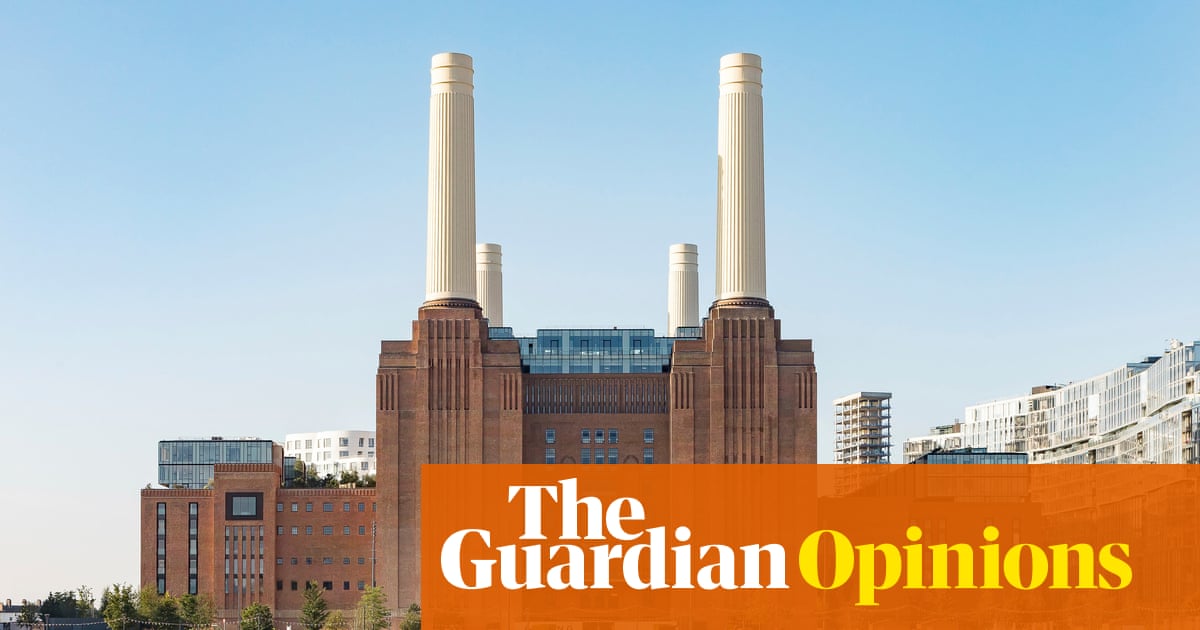
Battersea Redevelopment Highlights Challenges of Affordable Housing and Community Preservation
In 2012, a consortium of Malaysian investors purchased the Battersea power station and surrounding Nine Elms area for £400 million, initiating a significant redevelopment project. This ambitious plan transformed the area, culminating in the 2022 opening of the Battersea power station shopping centre, featuring luxury brands and a Dubai-style waterfront. This development sparked concerns among long-term residents about displacement and the erosion of affordable housing.
The trajectory of affordable housing in Battersea has been contentious. Initially, in 2010, plans included 33% affordable housing, but by 2017, under the Conservative-run Wandsworth council, this quota was reduced to 9%. However, the political shift in 2022, with Labour gaining control of Wandsworth and councillor Aydin Dikerdem assuming the housing lead role, marked a change toward a stronger pro-resident stance.
A housing agreement brokered with the Greater London Authority reinforced commitments to social housing, including provision for 203 council homes within the 17-hectare master plan. Furthermore, the Patmore estate area recently benefited from the addition of 57 new council homes for rent and new outdoor spaces, such as a playground named after Theo Porteous.
The redevelopment of nearby Nine Elms’ Embassy Gardens stands as a dystopian example, highlighting inequality and the symbolic failure of 'poor doors'—segregated entrances for affordable housing residents.
This commentary underscores the importance of preserving mixed-income communities in central London, warning against reducing affordable housing quotas from 35% to 20%. It calls for state intervention, particularly when market conditions slow, to safeguard housing equity and social cohesion.