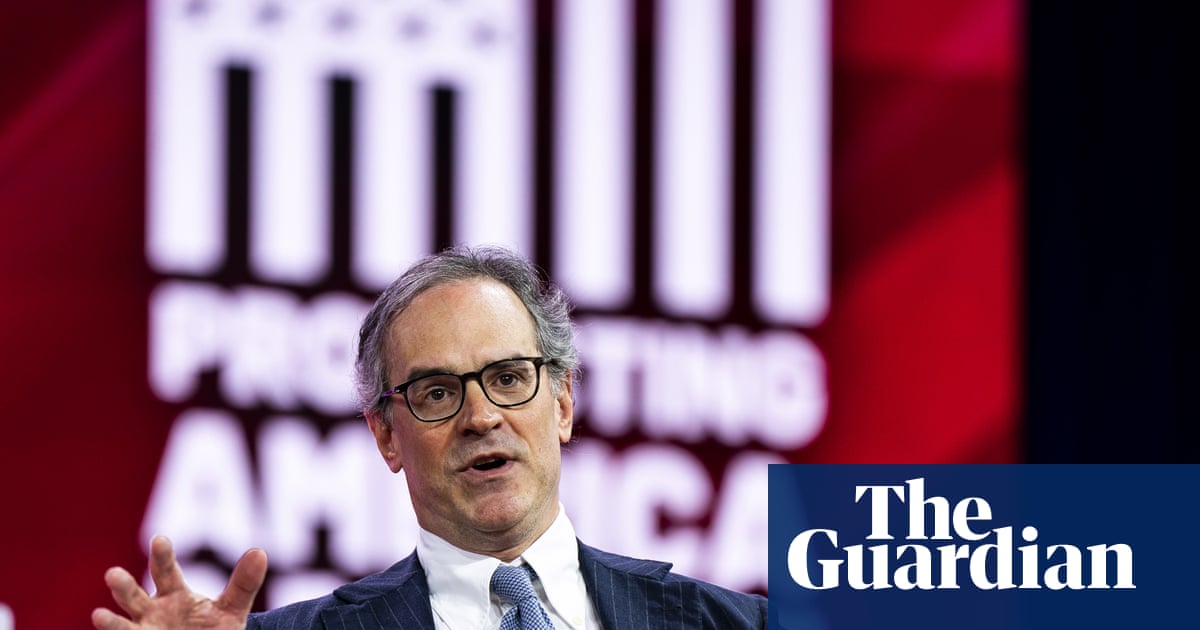
Behind Trump's Anti-Europe Foreign Policy: The Influence of Michael Anton and His National Security Strategy
Michael Anton, former deputy national security adviser for strategic communications and former director of policy planning at the State Department, played a central role in shaping the US National Security Strategy (NSS) under the Trump administration. Anton led the drafting of the NSS, infusing it with a Eurosceptic stance that framed immigration as a civilizational threat and revived a Monroe Doctrine approach toward the Western Hemisphere.
Known for his provocative 2016 Flight 93 metaphor advocating a shake-up of US politics, Anton crafted a 33-page document that some allies viewed as radical. The NSS signaled a departure from prioritizing great-power competition with China and Russia, instead courting illiberal European partners and shifting focus to perceived threats from mass migration. The strategy ordered US embassies in Europe and other allied regions to collect data on crimes by immigrants, portraying large-scale migration as an existential risk to Western civilization and security.
Though the NSS was regarded by observers as more a manifesto reflecting Trump-era instincts than a fully implementable policy, its worldview was shaped by several advisers, including JD Vance and Stephen Miller. Marco Rubio’s influence was particularly evident in the Latin America section. The document articulated a gut-driven perspective rather than a detailed strategic plan.
The 2024 State Department human rights report, reportedly edited by Anton and aides to Rubio, highlighted issues such as censorship and antisemitism in Germany while softening criticisms of Israel’s war in Gaza and drawing attention to torture concerns in El Salvador.
Anton left government service in September prior to the NSS’s public release, but Trump publicly echoed many of the document’s criticisms of mass migration, indicating alignment with the strategy's core ideas, even if he was not focused on its policy details.