Bipartisan Efforts Lead to Release of Epstein Files and Push for War-Powers Resolution
December 19, 2025 marked the deadline for the Department of Justice to comply with the Epstein Files Transparency Act, a rapid bipartisan effort that moved from concept to passage in just five months. The act compelled the DoJ to release thousands of files related to Jeffrey Epstein and Ghislaine Maxwell, with three federal judges in Florida and New York unsealing previously sealed grand jury testimony.
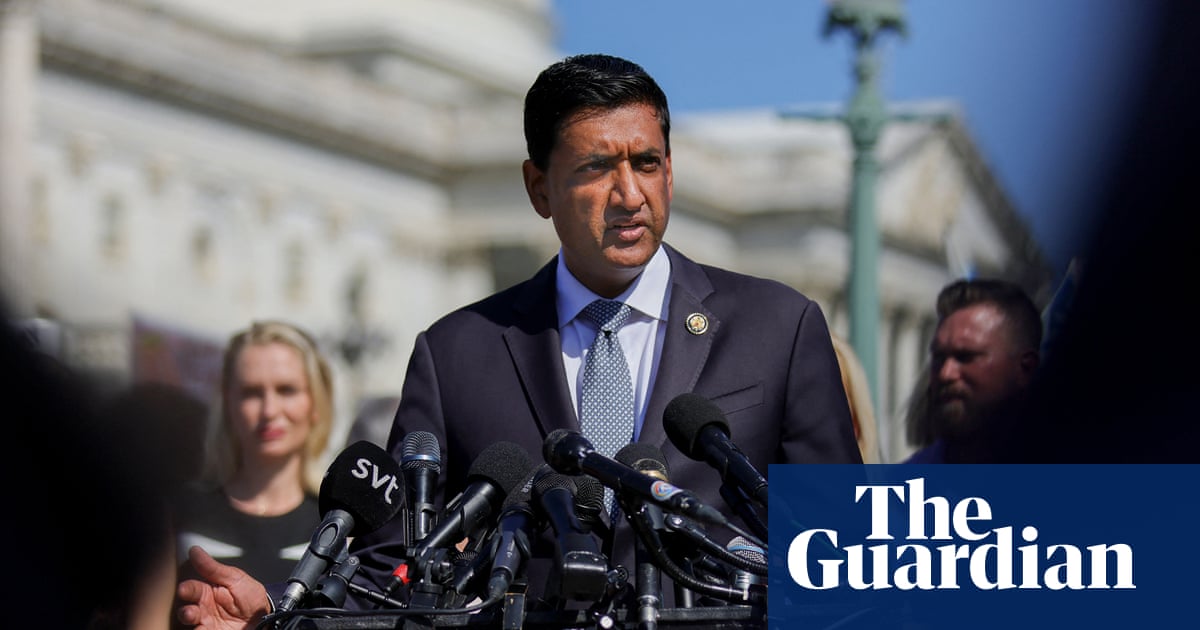
Representative Ro Khanna, a key proponent of the legislation, described the exposed network as the “Epstein class” of powerful individuals. The bipartisan nature of the act was highlighted by the support from Republicans such as Ralph Norman, who provided a crucial vote in the House Rules Committee, as well as Thomas Massie, Rand Paul, and Mike Lee. Additionally, the assassination of Jamal Khashoggi contributed to growing Republican willingness to support foreign policy restraint measures.
Khanna emphasized the importance of mastering congressional rules, building trust-based relationships, and maintaining select cross-aisle partnerships for successful bipartisanship. His broader legislative record reflects this approach, including efforts like the 2019 Yemen War Powers Resolution—which passed both chambers but was vetoed by President Trump—and the 2022 Chips and Science Act aimed at restoring domestic semiconductor manufacturing.
Continuing his bipartisan agenda, Khanna is pursuing a war-powers resolution to prevent regime change in Venezuela. He acknowledges the low odds for such bills even when well-crafted but cites prior successes as a foundation for future progress. His overarching vision is a "modern FDR coalition" that unites populist anger from both the left and right around themes of good jobs at home, ending endless wars abroad, and holding elites accountable.