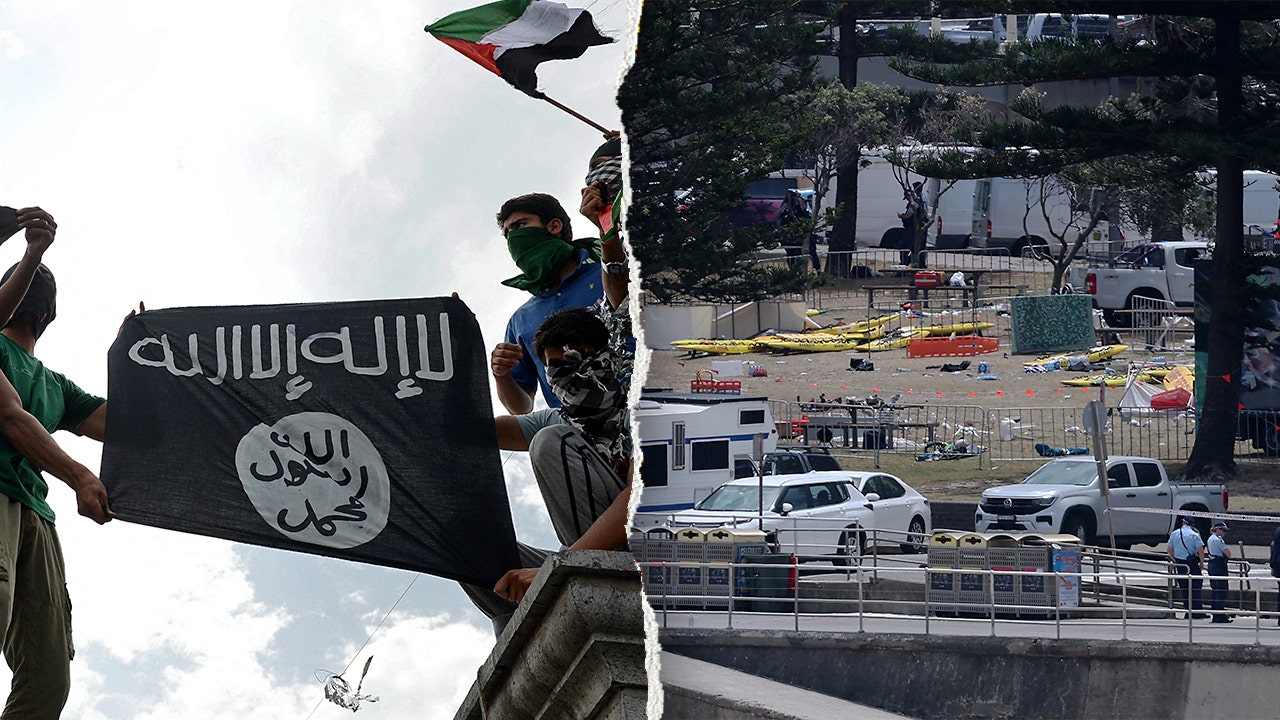
Bondi Beach Terror Attack Highlights ISIS Resurgence and Global Jihadist Threat
On December 15, 2025, a terror attack at Bondi Beach in Sydney resulted in the deaths of 15 people by two terrorists who were reportedly inspired by ISIS. Authorities describe the incident as part of a broader resurgence of global jihadist activity, with networks rebuilding their recruitment and propaganda capabilities.
The United Nations reports approximately 2,000 ISIS fighters remain active, notably in Afghanistan, maintaining safe havens. Israeli officials and observers have linked the Australia attack to a wider pattern of rising jihadist activity and disrupted plots across Europe, North America, and other regions.
Experts like Corri Zoli from Syracuse University have noted an escalation in targeting religious minorities, including Jews and Israelis, following the Hamas attack on October 7, 2023, indicating increasing radicalization. The West Point Combating Terrorism Center analysts warn that jihadist networks are seeking vulnerabilities in Europe, Australia, Canada, and the United States by blending online incitement with on-the-ground recruitment efforts.
Australian authorities had the families of the attackers under intelligence surveillance since 2019. The attackers are linked to extremist figures such as Wissam Haddad of the Al Madina Dawah Centre/Street Dawah Movement and Isaac El Matari, who claims to be an Australian ISIS commander.
Rodrigo Roggio emphasizes that the threat stems from an interconnected ecosystem of extremist groups rather than isolated individuals, challenging the notion of 'lone wolf' attackers. He argues that ISIS and Al Qaeda have not been defeated but have adapted their operations. Morgan Murphy highlights that migration and the influx of fighting-age Muslim populations into Europe and the US present internal security challenges, critiquing previous Western policy decisions.