Bradman's Greatest Hour: How Australia Came From 2-0 Down to Win the Ashes
The 1936-37 Ashes series saw England initially take a commanding 2-0 lead after the first two Tests in a tour marked by the lingering tensions of the Bodyline tactics. England was captained by Gubby Allen in the absence of Harold Larwood. Despite a personal tragedy for Australian captain Don Bradman, whose first-born son died six weeks before the series, Bradman remained central to Australia's remarkable comeback.
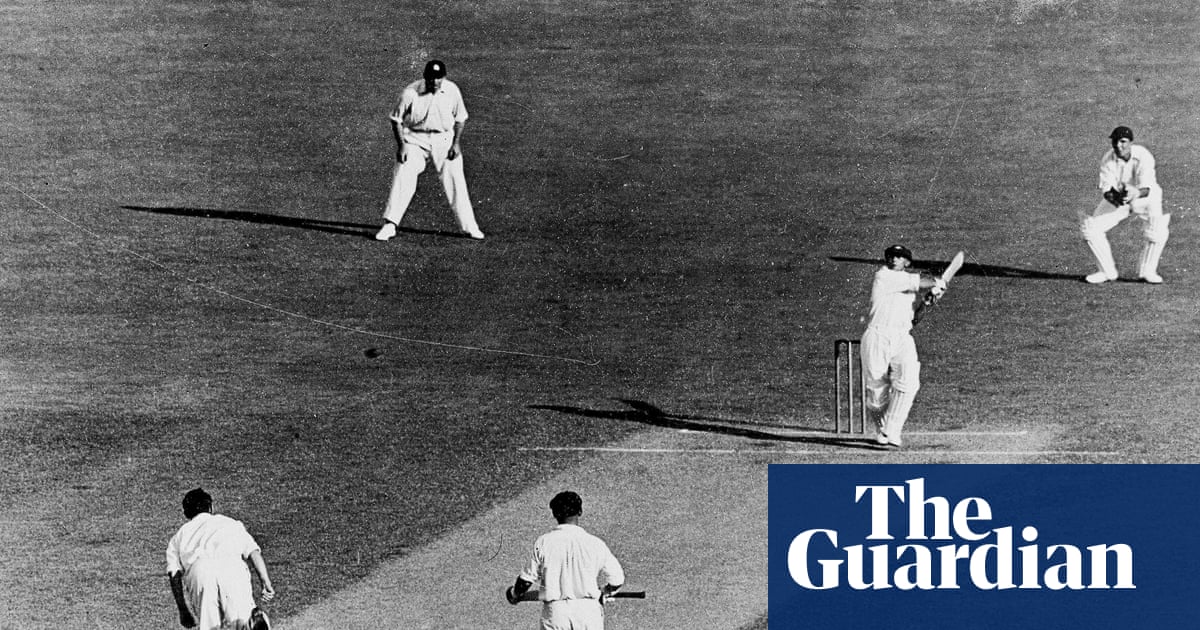
In the Third Test at Melbourne, heavy rain resulted in a challenging sticky wicket. Bradman declared Australia's innings at 200/9 and then used tactical deception as England batted, resulting in 13 wickets falling within three hours on the following day. Bradman's remarkable 270-run innings in Melbourne, combined with Jack Fingleton's contribution, including a 346-run partnership for the sixth wicket, set up a 221-run lead. England's inability to chase down 689 runs led to an Australian victory in this match.
Bradman continued his form in the Fourth Test with a 212-run innings spanning 437 minutes in Adelaide, which helped Australia secure a 148-run win and draw the series level at 2-2. In the final Test, Bradman again made a crucial contribution with 169 runs as Australia sealed a dramatic comeback with an innings-and-200-run victory, ultimately winning the series 3-2.
This comeback remains historic, as Australia is the only team to have won an Ashes series after trailing 2-0. Bradman's performances were widely celebrated; Wisden in 2001 named his Melbourne 270 as the greatest innings ever played. The series was seen by contemporary cricket writer Neville Cardus as a test not only of technique but of character.