Bulgaria Joins Eurozone Amid Political Uncertainty and Public Debate
Bulgaria has officially become the 21st member of the eurozone, leapfrogging other candidates such as Poland, the Czech Republic, and Hungary.
Since being introduced in 1881, the Bulgarian lev has been pegged to various currencies, first the Deutschmark and then the euro since 1997. With the adoption of the euro, the fixed exchange rate stands at about €1 to 1.95583 lev.
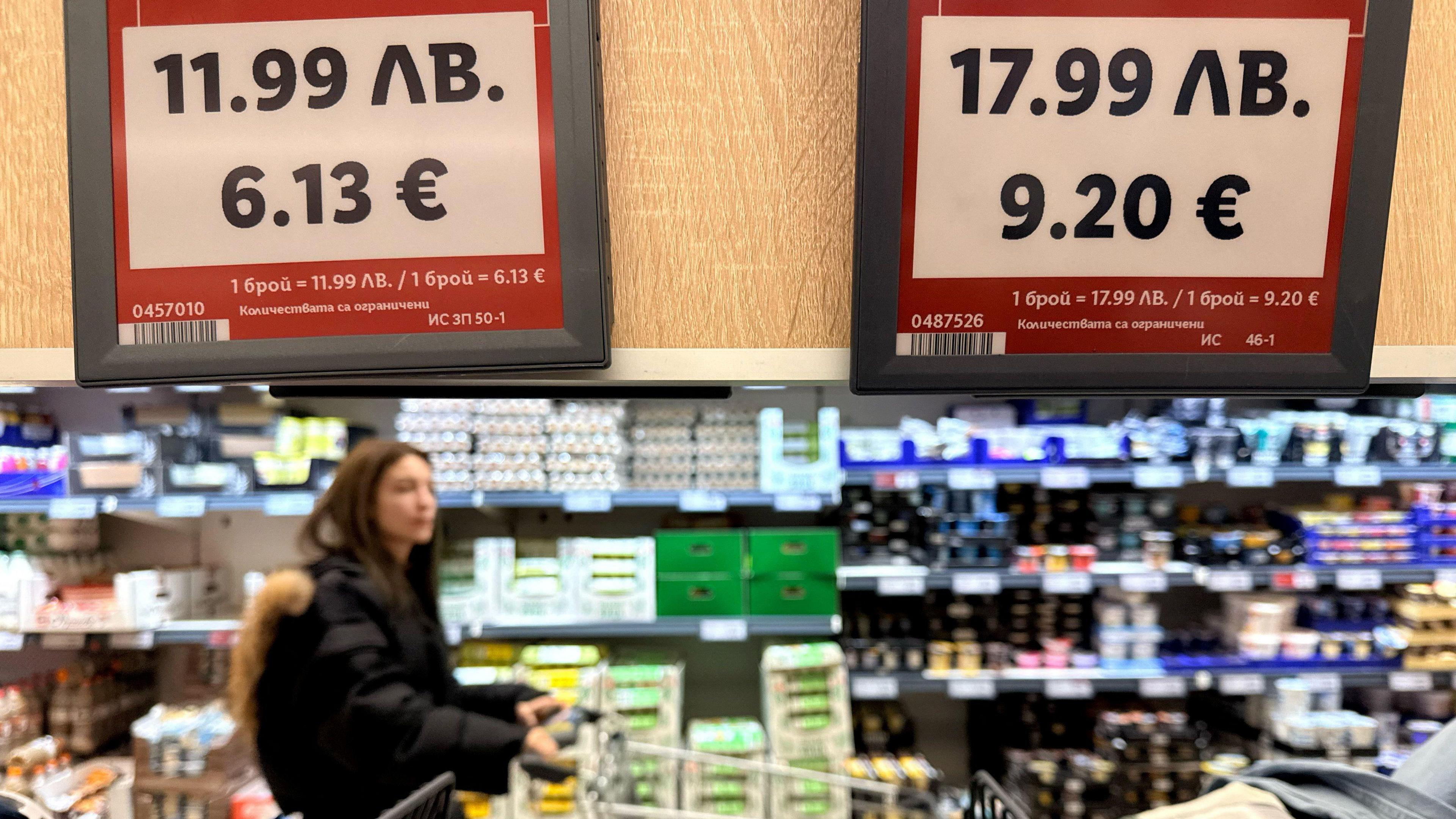
New currency display rules require prices to be shown in both lev and euros starting from August 2025. From 1 February 2026, payments in lev will end, with January 2026 serving as a transitional period allowing transactions in either currency but providing change only in euros.
Political instability marks this period, as Prime Minister Rosen Zhelyazkov's coalition lost a confidence vote on 11 December 2025. Bulgaria has experienced seven elections in four years, with an eighth anticipated early in 2026. A referendum proposed by President Rumen Radev to adopt the euro was rejected by the outgoing government.
Public opinion on joining the euro is divided. Todor, a 50-year-old small-business owner, opposes the move, while Ognian Enev, a 60-year-old tea shop owner, is supportive.
Economically, joining the eurozone could boost trade. Approximately 1.2 million Bulgarians living abroad use euros for remittances, and many domestic suppliers engage in euro-linked trade.
Euro coins issued by Bulgaria feature national symbols: St Ivan of Rila on the €1 coin, Paisius of Hilendar on the €2 coin, and the Madara rider depicted on the euro cents.
Analysts compare Bulgaria's potential eurozone experience to the Baltic model of reforms accompanying euro adoption or the Italian model, characterized by years of stagnation. To protect consumers, watchdog organizations are being established to prevent unwarranted price rounding.