Canada Debates Lifting Tanker Ban Amid First Nations Opposition and Environmental Concerns
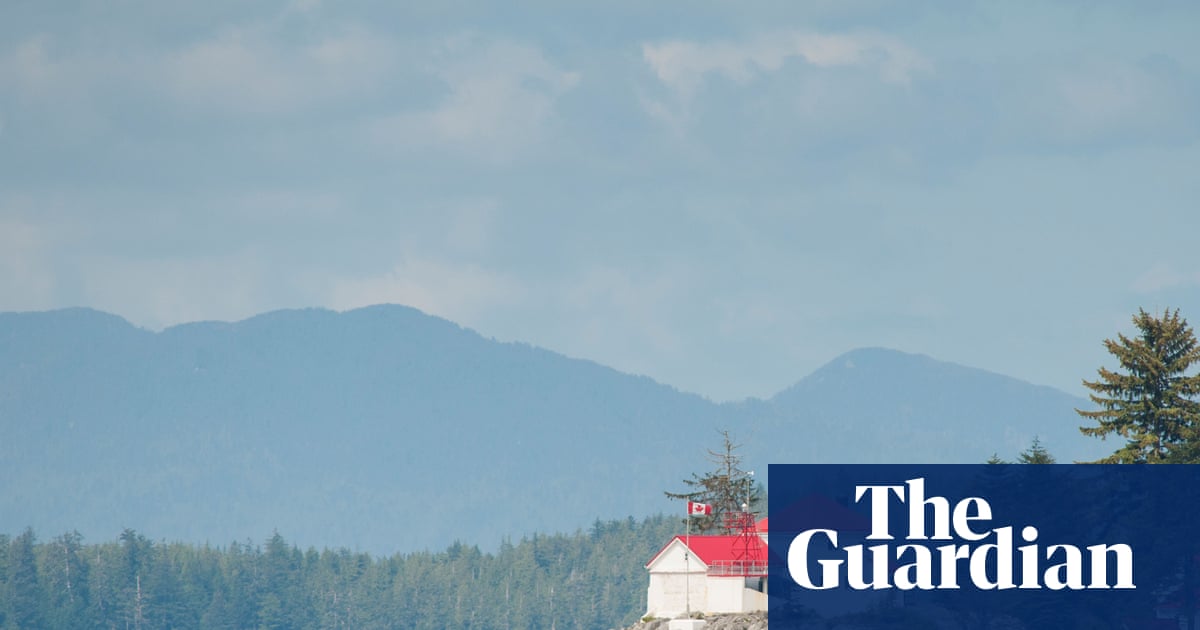
In October 2024, the Nathan E Stewart oil spill occurred off the central British Columbia coast near Bella Bella, releasing 110,000 litres of diesel into the marine environment. The incident involved a large oil sheen and a prolonged four-hour grounding struggle, followed by a 40-day cleanup effort engaging 45 vessels and around 200 personnel. The spill caused significant damage to Heiltsuk Nation harvesting sites, resulting in ongoing economic losses and ecological harm, including impacts on cultural sites and concerns about invasive species.
Against this backdrop, the Canadian government led by Mark Carney is considering lifting a 53-year tanker ban to facilitate the development of an oil pipeline that would move at least one million barrels per day to Asia. This move aims to accelerate project approvals and position Canada as a key oil exporter. The proposed pipeline would cross Alberta to British Columbia and necessitate tanker traffic through the British Columbia north coast, with shipping routes passing via the Gulf of Alaska and the Hecate Strait, an area known for its hazardous weather conditions.
However, the project faces staunch opposition from Coastal First Nations, comprising nine nations, with Chiefs representing over 600 First Nations voting to maintain the tanker ban. Green Party leader Elizabeth May has voiced strong criticism, stating that an oil tanker should not transit through British Columbia’s inner waters. British Columbia Premier David Eby expressed openness to development but insists that the tanker ban must remain in place, warning that lifting it would pose grave economic risks. He also highlighted that existing liquefied natural gas projects enjoy Indigenous support.
Indigenous groups are actively advocating for maritime law reforms to secure compensation for cultural losses caused by oil spills. A delegation recently traveled to London to lobby the United Nations' international marine organization to implement legal changes. The debate reflects Canada's challenge to balance its status as a top oil producer with large reserves while addressing climate pressures and economic ambitions.