Cant-Miss Indie Games to Play in 2025
The lineup of indie games to watch in 2025 features a variety of traditional Web2 titles without any crypto or blockchain integrations.
Ball x Pit is set in a city on the edge of a pit where players venture into the pit to gather money and resources. Combat uses Arkanoid/Breakout-style ball launches and offers multiple unlockable characters with evolving ball modifiers like electricity or fire.
Blue Prince is a first-person puzzle game featuring a mansion whose layout resets daily. Players aim to reach the secret 46th room by drafting and selecting rooms. The game is solo-developed and players are encouraged to take notes.
Look Outside is a survival horror game with an overhead perspective and turn-based combat. It has 90s-style pixel graphics and centers on being trapped in an apartment building while something outside turns people into monsters. Players need to avoid looking out windows while scavenging for resources.
Luto delivers a psychological horror experience set in a looped, shifting house that becomes increasingly strange as exploration continues. It is inspired by PT but maintains a distinct approach and atmosphere.
No I'm Not a Human places players in an apocalyptic scenario where they stay indoors as visitors arrive who may be human or Visitors. Using a Papers, Please-like information-gathering mechanic, players decide whom to admit amid tensionful encounters enhanced by haunting art.
Schedule II is a drug-dealing simulator set in a new town. Players manufacture and distribute drugs while managing rival NPCs and evading law enforcement. The game includes a co-op mode.
The Drifter is an adventure game by Powerhoof with a time-loop mechanic. It combines point-and-click gameplay with time-loop problem-solving and follows protagonist Mick Carter returning to his Australian hometown for a funeral amidst a gritty thriller vibe.
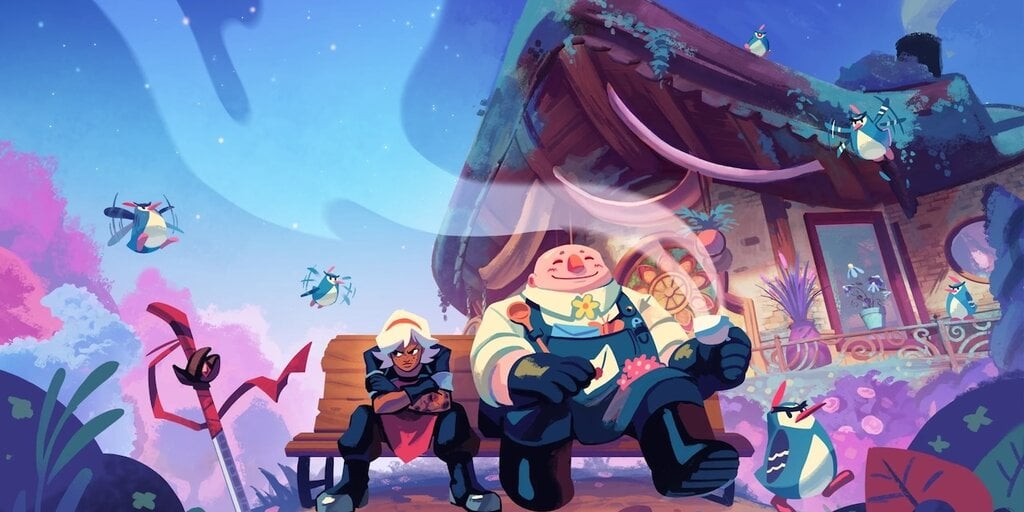
Wanderstop is a cozy game about burnout where a warrior protagonist loses a battle and discovers a tea shop in the woods. The game explores themes of coziness and self-reflection and is created by the mind behind The Stanley Parable. While it is not as self-aware as The Stanley Parable, it shares a similar reflective tone.