Caracas on Edge in Aftermath of US Blitz on Venezuela
On January 3, 2026, US forces launched strikes on Caracas, targeting key locations including La Carlota airbase and Fuerte Tiuna along with other infrastructure. The operation led to the reported capture of Venezuelan President Nicolás Maduro and his wife, Cilia Flores, by US Delta Force personnel. They were reportedly flown to a US naval warship in the Caribbean Sea. The capture was publicly announced by former US President Donald Trump, while US officials cited Delta Force involvement. Pam Bondi, a US political figure, accused Maduro and associates of narcotrafficking.
In response, Maduro's supporters condemned the attack as an invasion and called for resistance. High-ranking officials including Defence Minister Vladimir Padrino López and Interior Minister Diosdado Cabello led the regime's reaction. Caracas mayor Carmen Meléndez urged citizens to rally around Maduro's leadership. Vice President Delcy Rodríguez, who was reported by Reuters to be in Moscow at the time, demanded immediate proof that Maduro was still alive.
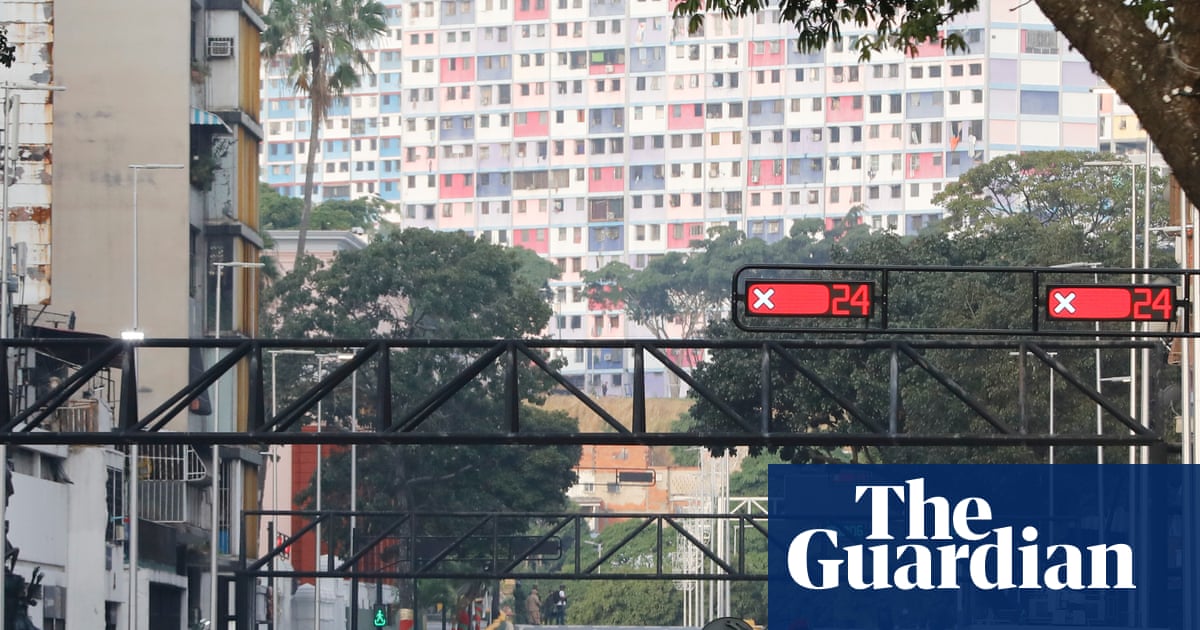
The public mood in Caracas was tense and subdued, with streets largely silent under what resembled a lockdown. Concerns arose over access to food and freedom of movement as pro-regime colectivos patrolled the city. Eyewitnesses described helicopters flying over Caracas as well as smoke near Cuartel de La Montaña. Key sites like La Carlota were visible from vantage points including from hikers filming the area.
Analysts such as Phil Gunson from Crisis Group assessed that the US operation appeared focused on removing Maduro rather than instituting broader regime change. There remains a risk of a hardline successor emerging, potentially deepening dictatorship amidst possible unrest. Meanwhile, political uncertainty continued with Edmundo González, winner of the 2024 election, still in exile and opposition leader María Corina Machado preparing to stake her claim to power.