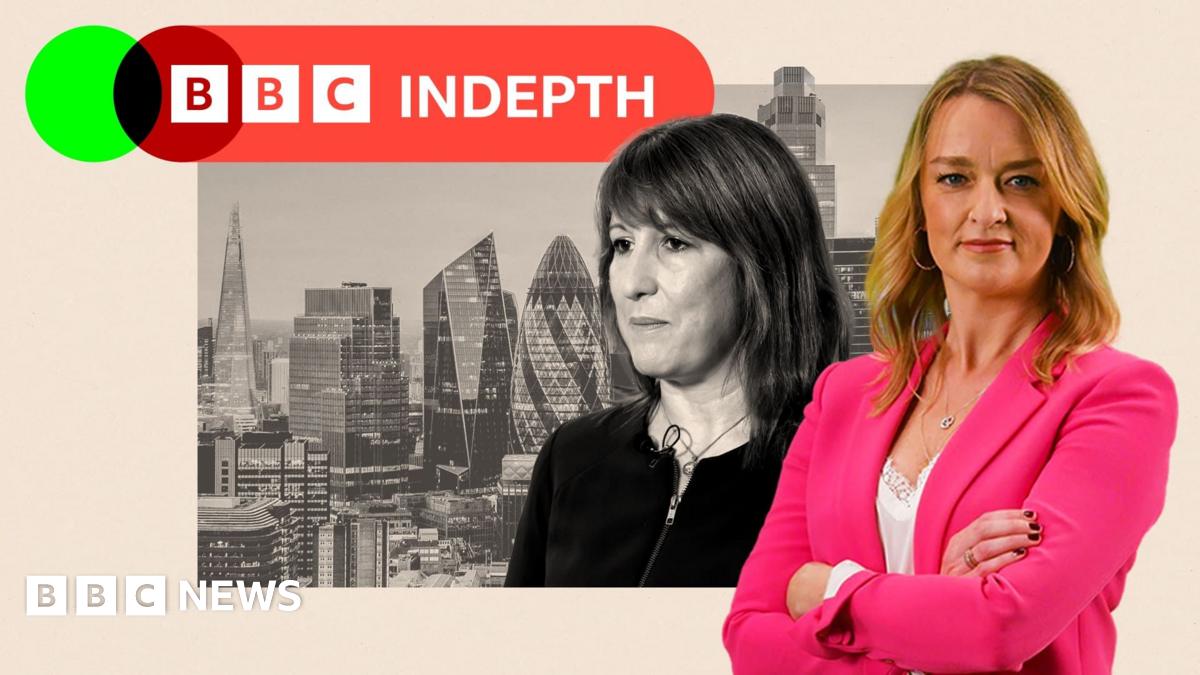
Chancellor Rachel Reeves' Budget Priorities and OBR Leadership Changes Amid Political and Economic Challenges
Chancellor Rachel Reeves is preparing a Budget focused on three main priorities: cutting the cost of living, reducing NHS waiting lists, and cutting the national debt as a share of national income. Planning began in July, with Reeves initially reportedly preferring not to use spreadsheets. The Budget messaging targets both the public and financial markets by emphasizing inflation control, sustained spending on public services, and disciplined long-term investment to address debt.
Reeves aims to finance the plans via targeted tax rises without increasing income tax rates, national insurance, or VAT, in line with Labour's manifesto pledge. Some rail fares are to be frozen to help ease cost-of-living pressures. However, this approach involves smaller, specific tax increases, which risks protests from affected groups such as farmers opposing inheritance tax changes.
Within Labour, there is deep fear and skepticism regarding political constraints hindering the Budget delivery. The party faces a hostile backbench with rumours of restlessness and leadership challenges, raising speculation that this Budget could be the last for Reeves and leader Keir Starmer. Tensions persist over expected energy-cost relief and welfare reforms such as the two-child cap. Unions have expressed backlash, especially following a partial U-turn on protections from unfair dismissal.
Financial markets and big business do not foresee a major market meltdown; some leaders believe the Budget could stabilize matters, citing approximately £26 billion of extra tax as reassurance. Early public polls indicate more than a million people may pay more income tax or begin paying it, while inflation remains high and predicted spending power growth is dismal, provoking concerns about economic slowdowns and lowered hiring confidence due to higher minimum wages and taxes.
Ahead of the Budget, on 4 November, Reeves held an extraordinary pre-Budget news conference, signaling difficult choices including big tax rises and measures addressing cost-of-living pressures. The Office for Budget Responsibility (OBR) was expected to revise productivity growth downward, affecting Budget numbers and trade-offs. Despite weaker productivity, Reeves was informed that tax receipts were stronger than expected, which helped offset the decline; this information was disclosed about 10 days later by the Treasury in response to media reports. The Treasury maintains Reeves was not misleading and used fiscal headroom cautiously.
Meanwhile, OBR chair Richard Hughes resigned over the early release of Budget information, which was identified as caused by a junior staff error amid broader concerns about the OBR's independence from government influence. Reeves will appoint a new, independent OBR head, with markets expected to scrutinize any potential political interference. Budget process changes include the government responding to OBR forecasts only annually, although two full forecasts with a five-year horizon will continue twice yearly. The OBR will also incorporate AI-driven economy projections by the decade's end and has gained new parliamentary powers including the costing of England's SEN funding.
Reeves has engaged more visibly in public discussions compared to previous years, highlighting the high stakes involved. Her objective is to pass the Budget to buy time for herself and Starmer while attempting to avoid further political damage. Challenges remain balancing growth, business support, political constraints, and avoiding backbench mutiny over tax rises or spending cuts. The Budget also involves policy considerations around energy taxation and electric vehicles, including a potential pay-per-mile charge and measures to support North Sea investments and green energy development.
Overall, the Budget represents a landmark moment for Labour amid deep unpopularity, a stuttering economy, persistent cost-of-living pressures, and internal party tensions, with significant scrutiny on fiscal credibility and leadership stability.