China's Second Shock: Industrial Policy, Trade Implications, and the UK's Response
China is embarking on a state-led effort to dominate advanced technologies such as electric vehicles, batteries, semiconductors, biotechnology, robotics, and artificial intelligence through an industrial policy with significant global trade implications. This movement, often described as China's 'second shock,' is supported by Beijing's 15th Five-Year Plan and the Central Economic Work Conference, which emphasize strengthening domestic demand in 2026. This will be achieved via easier monetary policy, larger fiscal deficits, real estate market stabilization, and increased social spending.
At the core of this strategy is an overarching industrial policy aiming to position China as a leader in the Fourth Industrial Revolution and eventually displace the United States' position in the global order by mid-century. However, the government faces tensions between promoting consumption and supporting heavy industry, which raises risks of overproduction, excess capacity, deflationary pressures, and financial stability concerns linked to the real estate sector.
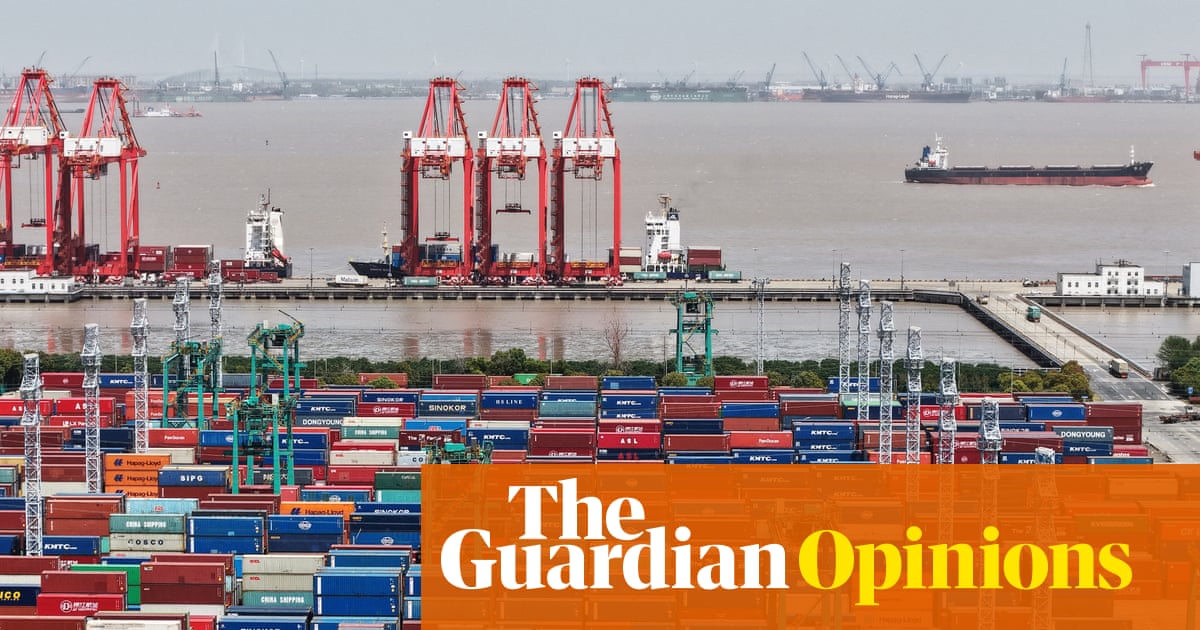
Currently, China runs roughly a $1 trillion goods trade surplus, with about one-third of that surplus involving Europe and the United Kingdom. Since 2022, exports have risen by nearly 50%, while imports have seen minimal increases. The yuan remains undervalued by about 20% in real effective terms compared to three years ago. Despite advice from the International Monetary Fund to reorient the currency, Beijing has opted to maintain basic currency stability.
In response, the European Union has implemented tariffs on Chinese electric vehicles and introduced an import surveillance mechanism to manage trade challenges. Meanwhile, the United Kingdom's approach has been relatively cautious. Measures include directing the Trade Remedies Authority to investigate potential unfair trade practices in coordination with the EU.
Labour leader Keir Starmer's proposed visit to China in late January is expected to yield limited progress on trade or security-sensitive matters. Instead, it is advised that the UK use this opportunity to better understand the implications of China's second shock rather than adopt a mercantilist stance towards China.
