China to Resume Nexperia Chip Supply for Civilian Use Amid Trade Tensions with EU
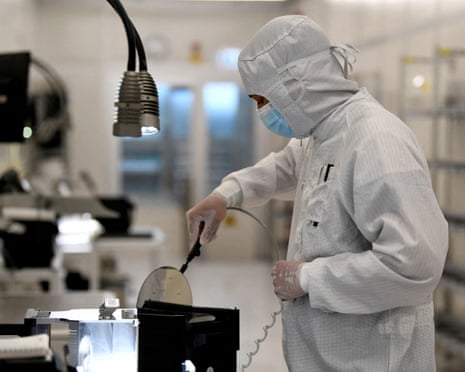
China has agreed to resume supplying chips from Nexperia for a 12-month period, limiting the supply strictly to civilian use. This development follows the Dutch government's takeover of Nexperia in late September, a move which nearly brought Europe's automotive industry to a halt and heightened tensions with Beijing.
The European Union faces a significant €300 billion trade deficit with China. Despite tariff measures, including levies on electric vehicles, overall import levels remain unaffected. China’s control over critical materials and rare earth elements poses a major threat to European sectors such as automotive, solar, and wind industries. Notably, Germany imports approximately 95% of its rare earths from China, and obtaining licenses for magnets often demands confidential business data.
The EU's policy strategy emphasizes de-risking its supply chains rather than full decoupling from China. European Commission President Ursula von der Leyen has indicated readiness to employ all available instruments to counter coercion. The anti-coercion instrument (ACI), effective since 2023, has been proposed as a countermeasure, with French President Emmanuel Macron advocating its use against China. However, Germany expresses concerns about potential retaliation, especially given BMW’s reliance on the Chinese market, where it sells around 800,000 cars per year.
Analysts highlight that China weaponizes trade relationships to project power, resulting in ongoing crises as vital supplies are intermittently restricted. Currently, China dominates approximately 96% of the global magnet supply market, and Europe may require up to a decade to establish a complete domestic mine-to-assembly supply chain for magnets. Experts suggest China could strategically grant preferential rare earths access to US firms to stabilize relations with Washington while maintaining a restrained supply for Europe.