Climate Breakdown Threatens Global Food Security with Significant Crop Yield Declines
Climate breakdown is putting global food security at significant risk, with crop yields projected to plateau and potentially decline under high-emission scenarios as the world's population increases by about 2 billion by the end of the century. Future crop yields could drop by approximately 25% due to these climate challenges.
Maize faces the largest potential losses globally, with projected caloric yields falling around 24% under high emission levels. Maize yields may decline about 6% under low warming scenarios but could fall up to 24% as warming intensifies. These projections are based on models that include climate change and income growth but do not factor in possible technological advancements or land use changes.
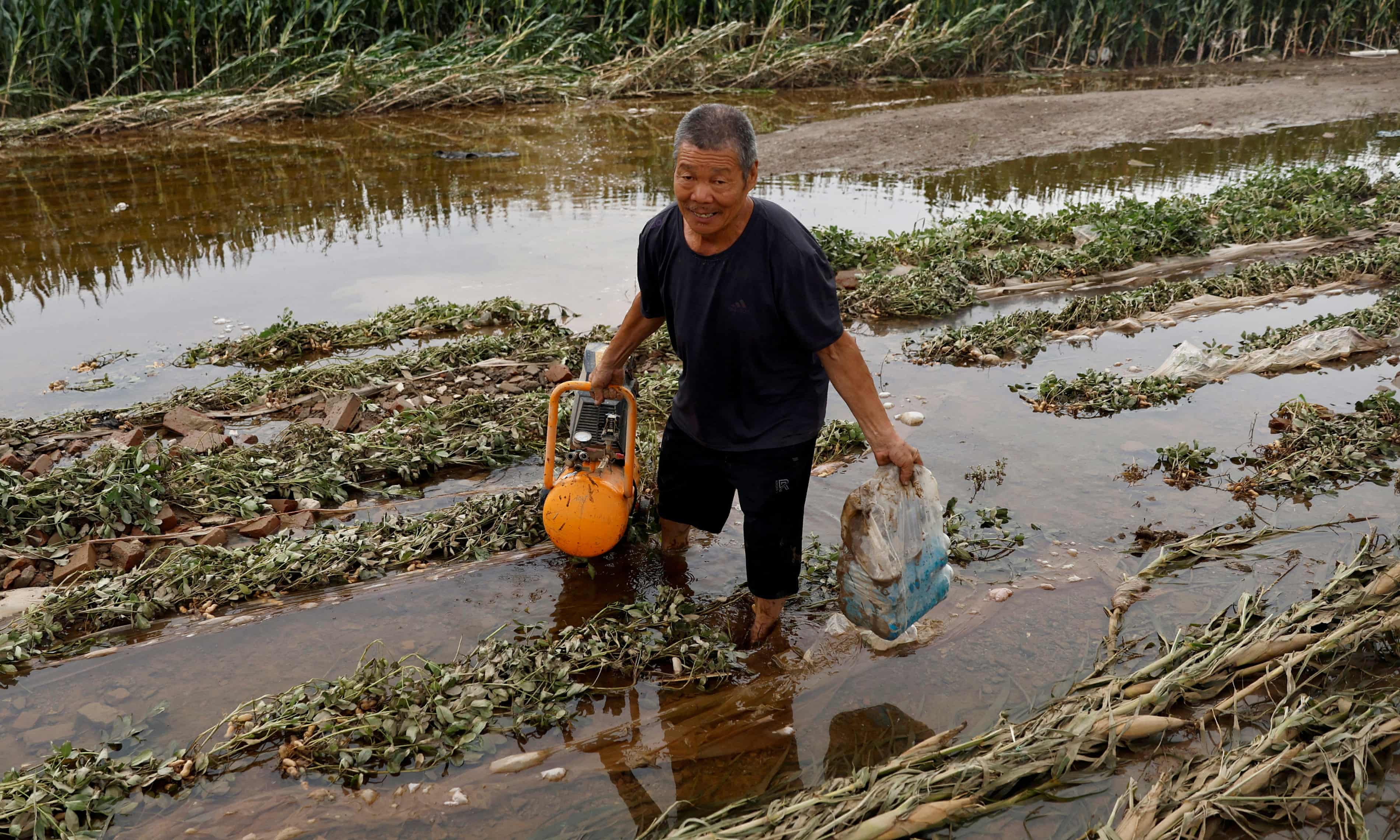
Regional impacts have already been observed. In Eastern China during June–August 2023, record rainfall caused damage to about 5 million tonnes of corn, and rice output decreased by approximately 5%. In Europe over winter 2023–24, England's wheat harvest fell about 20%, marking the second-worst on record, while France's soft wheat yield dropped about 25%, and some wine harvests were significantly affected.
Southern Africa suffered a severe drought in February 2024 linked to El Niño and climate change, prompting five countries to declare national disasters. Zimbabwe's maize crop was halved, and over 1 million hectares of maize were destroyed in Zambia. In the United States, autumn 2024 was the driest on record, with around 75% of the mainland facing abnormal dryness and crop losses exceeding $20.3 billion.
In the Amazon region during October–November 2024, droughts affected millions across Colombia, Brazil, Peru, and Bolivia. In Peru alone, more than 18,000 hectares of crops and around 1,000 livestock were impacted. Paraguay experienced disrupted export activities due to low river levels, and nearly 500,000 children faced water and food shortages.
Floods from October to December 2024 across Malaysia, Indonesia, and the Philippines disrupted agricultural production. Malaysia lost about 5.3 million bags of rice, the Philippines about 600,000 tonnes of rough rice, and Indonesian harvests were likewise affected.
The Food and Agriculture Organization (FAO) emphasizes the urgent need to enhance resilience through smarter rice cultivation, restoring degraded lands, and broader sustainability efforts. Reducing emissions is critical, as it could potentially halve global caloric yield losses. These findings are supported by data from the Copernicus Climate Change Service, FAO yields records, Nature projections (June 2025), and UN medium-s population estimates.