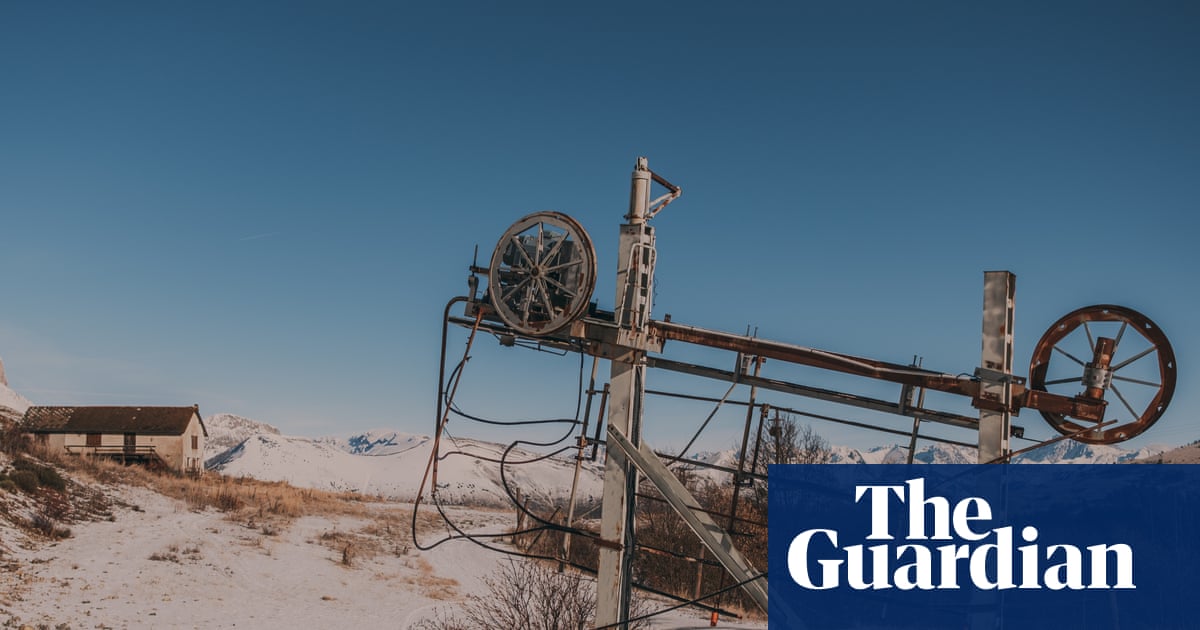
Closure and Dismantling of Céüze Ski Resort Highlights Challenges Facing French Alpine Resorts
Céüze 2000, an 85-year-old ski resort located in Hautes-Alpes, France, closed at the end of the 2017-18 season due to increasingly unreliable snowfall and remains abandoned. The resort's dismantling began on 4 November 2025, with pylons being removed by helicopter. The total cost of dismantling is estimated at €123,000.
This closure is part of a wider trend across France, where at least 186 ski resorts have shut down. In addition, 113 abandoned lifts, totaling approximately 63 km, exist—about three-quarters of which are in protected areas—and more than 3,000 abandoned structures have been identified in mountain regions. French law mandates the dismantling of ski lifts no longer in use, but this applies only to lifts built after 2017. Given that most lifts have a lifespan of around 30 years, many are not expected to become obsolete until approximately 2047.
The environmental impact of abandoned infrastructural elements includes corrosion and leakage of materials. However, early ecological recovery at the Céüze site has been noted, with flora such as dog rose berries, orchids, and gentians beginning to flourish. The area is surrounded by Natura 2000 protected zones, and wildlife including the red-billed chough may benefit from the reduction in human infrastructure.
Opinions regarding the dismantling vary. Masson of Mountain Wilderness advocates for removal to restore natural landscapes, while others suggest preserving the site as a memorial or fully returning the land to wilderness by removing all structures. The closure of Valcotos in Madrid’s Sierra de Guadarrama in 1999, which reportedly led to vegetation recovery and cleaner waterways, is cited as a precedent for positive ecological outcomes following resort closures.
Climate change is a significant factor influencing these developments; an estimated 2°C warming could render more than half of ski resorts in France unable to sustain sufficient snow. Issues such as permafrost degradation at higher altitudes could also threaten the stability of pylons and associated infrastructure.
Local reactions are mixed. Some residents express regret over the closure and advocate efforts to save the resort, while others feel that Céüze will persist in new forms. For example, the Hotel Galliard on the site has been sold for events and other buildings repurposed. Meanwhile, the hillside continues to be used for walking and winter recreation, offering ongoing connection to the landscape despite the end of skiing activities.