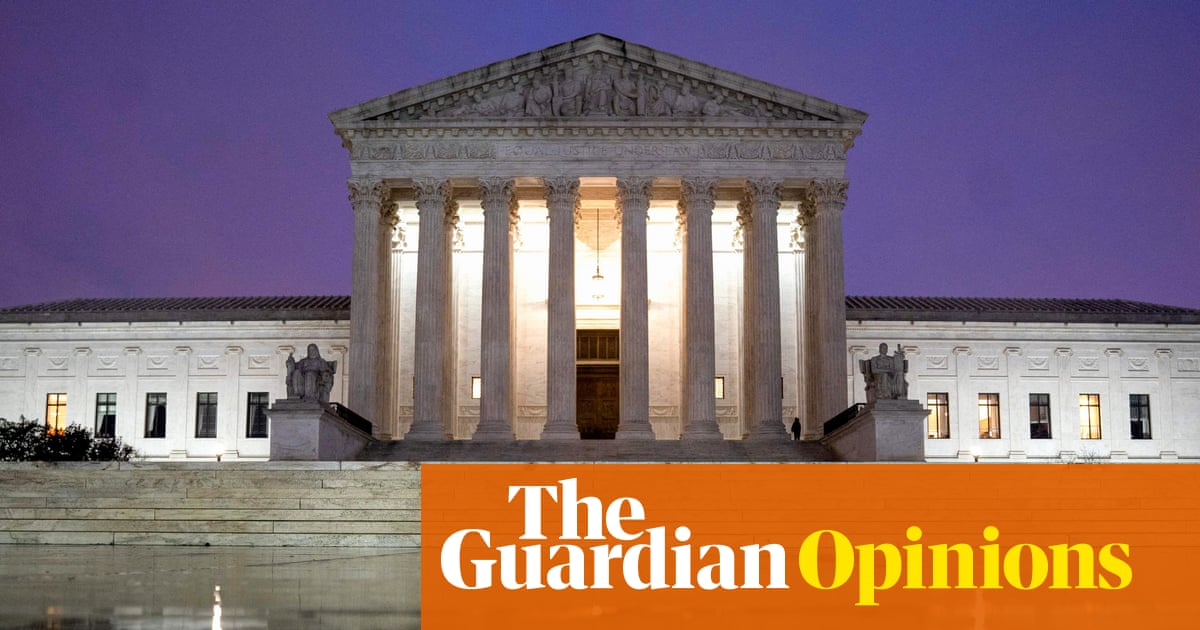
Concerns Over US Supreme Court Legitimacy Amid Conservative Majority in Trump’s Second Term
The conservative majority on the US Supreme Court during Donald Trump’s second term has been linked to a significant collapse in public approval and claims of illegitimacy. This shift has sparked debate about the Court's role and its impact on American democracy.
Legal scholars Ryan Doerfler and Samuel Moyn, professors at Harvard and Yale respectively, argue that liberals should pursue reforms to remake the Court to prevent future rule that facilitates oligarchy. Proposed changes include expanding the Court or disempowering federal courts, as part of a broader effort to address undemocratic features of the Constitution, such as the electoral college and the Senate.
Citing landmark cases such as Casey v Planned Parenthood (1992) and a joint opinion by Justices Kennedy, O’Connor, and Souter on the importance of public acceptance for the Court’s legitimacy, the authors highlight the stakes involved. Liberal dissents have become more forceful, with Justice Jackson warning that the institution is at risk of sinking, though some express concerns about pessimism and the potential weakening of dissent's influence.
The Court’s increasing reliance on a shadow docket and decisions made without full reasoning is criticized as part of a harmful agenda. Additionally, conservatives have hinted at constitutional challenges to independent agencies and possible firings of members within the Federal Trade Commission (FTC) and the National Labor Relations Board (NLRB), while Chief Justice Roberts has suggested the Federal Reserve might be treated differently.
The discussions over reform extend beyond the judiciary, encompassing a need to confront broader structural issues in the US political system. These debates continue to unfold as scholars, legal experts, and political leaders consider how to preserve democratic legitimacy amid growing concerns about the Court’s direction.