Cyclone-Triggered Floods in Aceh and Sumatra Cause Over 1,000 Deaths Amid Relief Challenges
Cyclone-triggered floods in November devastated Aceh and western Sumatra, killing more than 1,000 people and displacing hundreds of thousands. Aceh, the worst-hit province, accounted for nearly half of the deaths, with many residents still lacking access to clean water, food, electricity, and medical supplies.
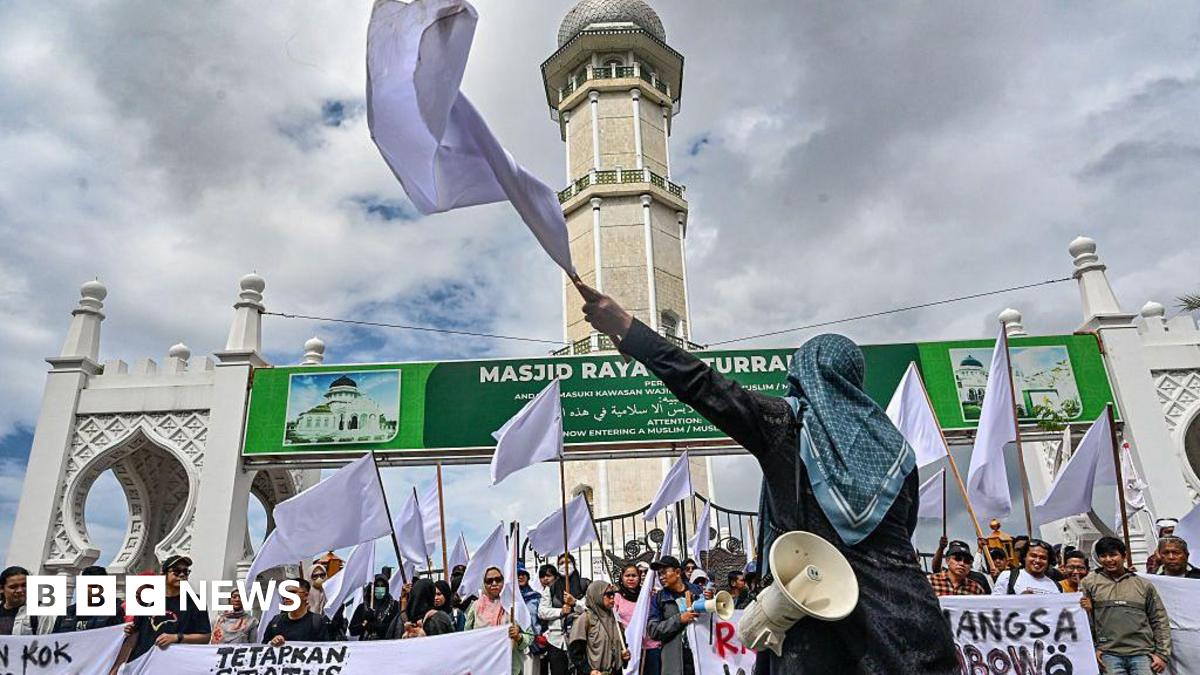
In response to the crisis, white flags have appeared across Aceh as a visible sign of distress and a call for international solidarity and foreign aid. North Aceh governor Ismail A Jalil publicly questioned the central government's handling of the disaster.
Despite the severity of the situation, President Prabowo Subianto has refused foreign aid, claiming that the situation is under control. He has also not declared a national disaster, which would unlock emergency funds. Relief efforts are described as being underway on a national scale, with about 60 trillion rupiah ($3.6 billion) allocated for reconstruction.
Aceh authorities have sought support from the United Nations; however, some foreign aid offers, including assistance from the UAE, were reportedly returned under guidance from the central government. Analysts have characterized Prabowo's administration as reactive, disorganized, and out of touch. Critics warn that the refusal of foreign assistance could have negative political repercussions.
Local residents recall the 2004 Boxing Day tsunami, contrasting the current relief efforts unfavorably, noting that aid arrived more quickly at that time despite the greater devastation.