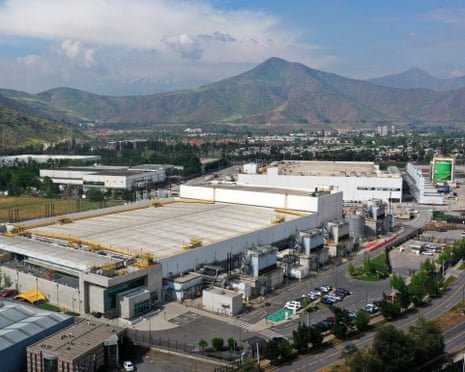
Data Center Expansion in Latin America Raises Environmental Concerns
Latin America's datacenter boom is expanding into arid regions, raising significant concerns about environmental impact and resource use. Chile and Brazil are at the forefront of this regional push. Chile has deregulated environmental assessments by changing the diesel-threshold rules used for approvals, while Brazil is offering tax exemptions to attract datacenter investments. This has fueled controversy over investment incentives and oversight in the sector.
There is currently no dedicated environmental impact category for datacenters in Latin America. As a result, assessments often rely on proxies such as diesel use, and recent regulatory changes have reduced scrutiny. Local communities are increasingly demanding transparency regarding energy, water, and other resources used by these facilities. However, corporate secrecy remains a major barrier. Some groups have turned to courts under the Escazú framework to obtain information, highlighting legal efforts to enforce transparency.
In Uruguay, a Google datacenter in Montevideo faced questions about its water usage during a drought. A court ruled in favor of transparency, citing the Escazú Agreement despite resistance from the government. Public opposition to datacenters is often framed as a conflict between progress and environmental harm. Critics point to left-wing governments for perceived broken promises and exclusion from planning processes.
In Chile, some communities see datacenters not as a threat but as an opportunity to raise local environmental standards, reflecting nuanced and diverse local positions rather than outright opposition to technology.