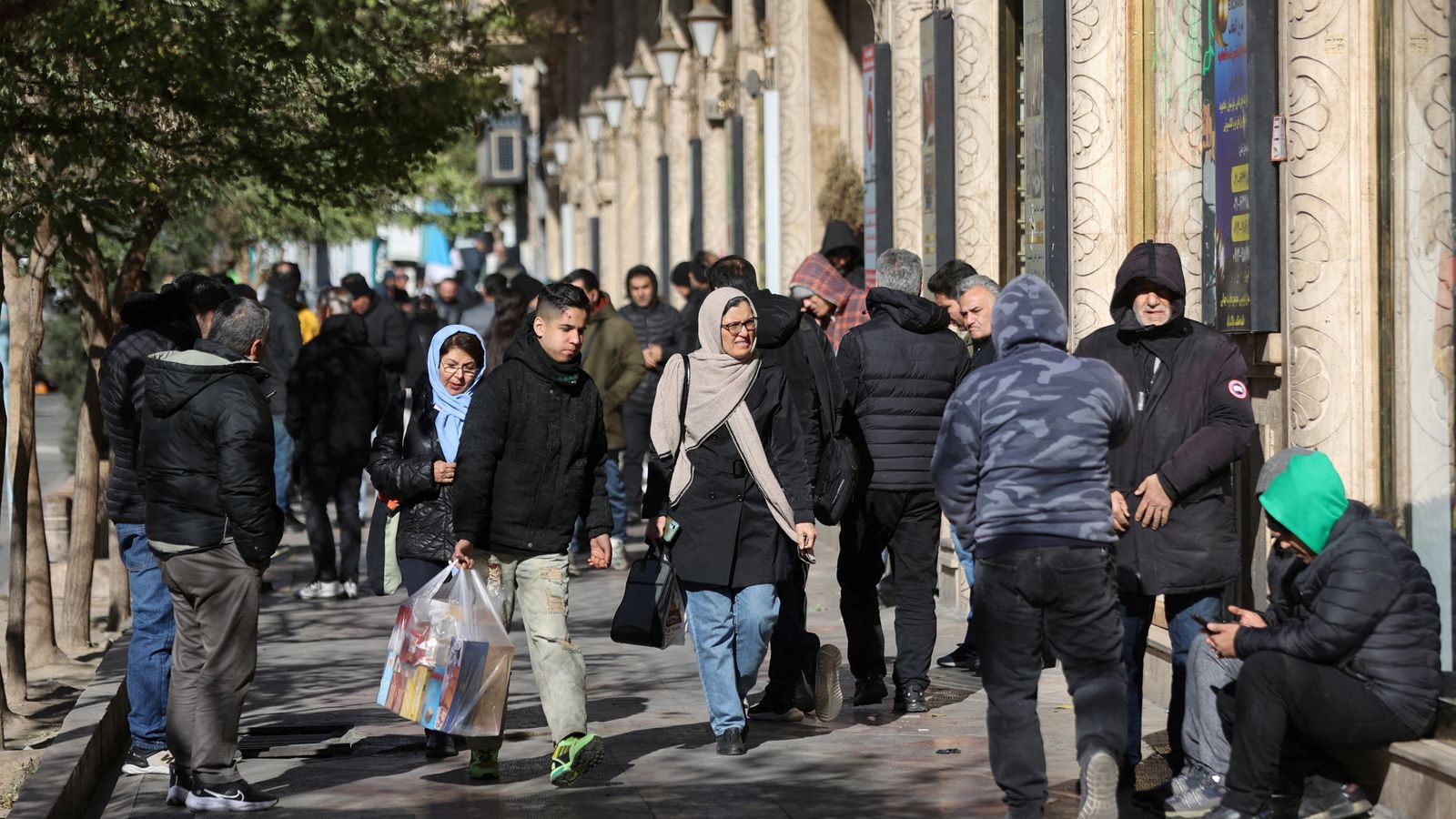
Deadly Protests Spread Across Iran Over Inflation and Currency Collapse
Protests driven by inflation and a collapsing currency that began on Sunday among Tehran shopkeepers have spread nationwide in Iran, culminating in deadly violence described as the country's largest protests in three years.
The unrest continued into the fourth day on 31 December 2025, with December inflation reaching 42.5%. Protesters attempted to break into the governorate building in Fasa, Fars province; the attack failed after intervention from security forces. Four attackers were detained and three security personnel wounded. A 28-year-old woman identified as the leader of the rioters was arrested.
Hengaw reports that security forces opened fire on protesters in Lordegan, killing and wounding several; state media confirmed one death in Kuhdasht with another death reported in Isfahan by Hengaw. The Revolutionary Guards stated a Basij member was killed in Kuhdasht and 13 Basij members were wounded.
The protests began with shopkeepers and traders in Tehran and were later joined by students, including from Tehran universities, marking the biggest demonstrations since 2022 following Mahsa Amini's death in police custody. Clashes and arrests were also reported in western provinces such as Kermanshah, Khuzestan, and Hamedan.
Iran's government attributed the unrest to inflation and adverse economic conditions, citing the influence of hostile channels among some participants. The rial fell nearly half its value in 2025 amid longstanding US sanctions that started in 2018, Western sanctions, and fallout from Israeli and US attacks on Iran's nuclear installations and leadership.
In response, authorities have deployed heavy security across cities and offered a "dialogue mechanism" with protest leaders and trade union representatives, though details remain unclear. Government spokesperson Fatemeh Mohajerani said officials would communicate directly with protest representatives. The situation was described as returning to normal following the unrest.
Amid economic pressures, Central Bank governor Mohammad Reza Farzin resigned and was replaced by Abdolnasser Hemmati on Monday.