Debate Intensifies Over Obamacare Subsidies and Health Care Costs in Congress
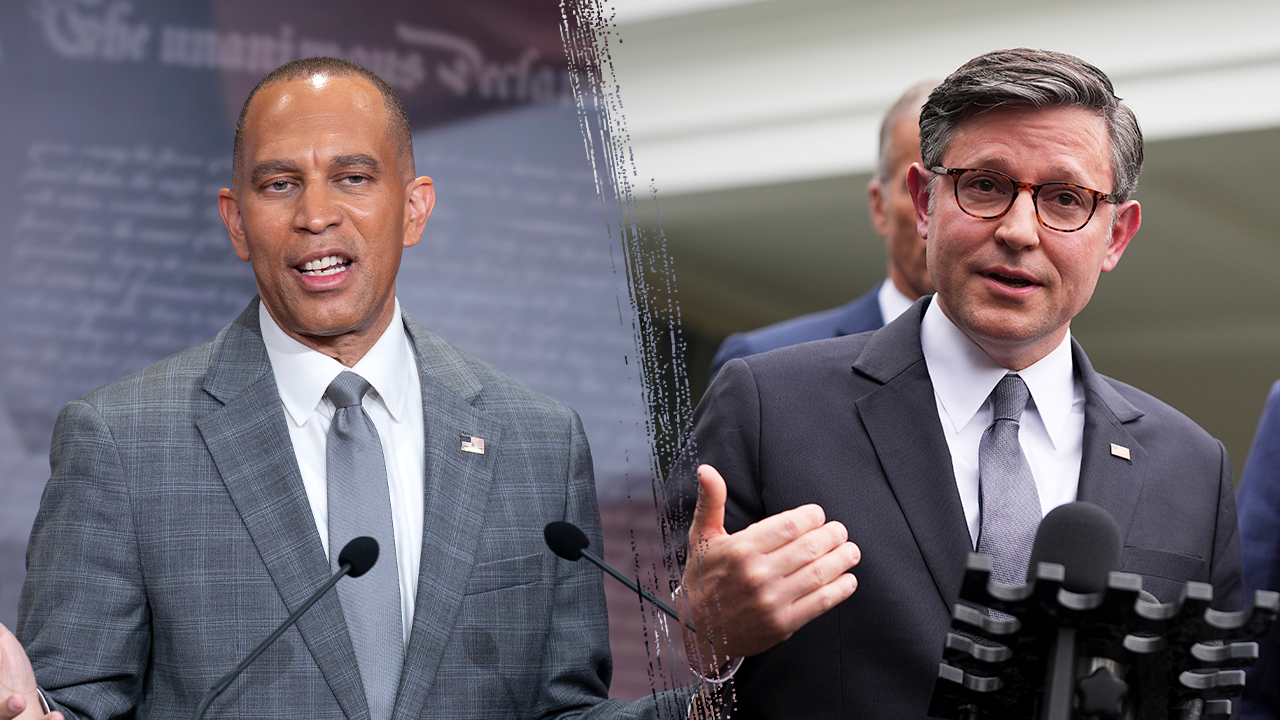
As the expiration of Obamacare subsidies approaches at the end of the year, a partisan debate over health care costs and subsidy extensions is unfolding in Congress. Four moderate Republicans—Brian Fitzpatrick, Ryan Mackenzie, Rob Bresnahan from Pennsylvania, and Mike Lawler from New York—joined Democratic Leader Hakeem Jeffries in signing a discharge petition to force a floor vote on a three-year extension of the subsidies. Their signatures brought the petition to 218 votes, enough to meet the majority threshold for consideration.
Speaker Mike Johnson opposed the discharge petition, calling it an end-run around the normal majority process. Democrats have advocated extending the subsidies for three years to lower consumer costs, whereas Republicans argue that the subsidy system is flawed within the public health care framework. Bipartisan proposals with one- and two-year subsidy extensions that include reforms have been presented, though GOP members rejected moderate Republican amendments during the House Rules Committee.
The discharge petition timing means the earliest floor vote could be early next year, leaving uncertainty as subsidies are set to expire soon. Meanwhile, on December 16, 2025, Rep. Mariannette Miller-Meeks, a physician from Iowa leading the House GOP's Lower Health Care Premiums for All Americans Act, criticized the Affordable Care Act (ACA) provisions for driving up health insurance premiums. She noted that ACA restrictions on association health plans and mandated essential benefits have led to increased premiums, high deductibles, and reduced patient choices.
Miller-Meeks's bill would codify association health plans to strengthen coverage options and bargaining power for small businesses and the self-employed. Starting in 2027, it aims to fund cost-sharing reductions to lower individual market out-of-pocket expenses and introduces transparency requirements mandating pharmacy benefit managers to disclose costs to employers. GOP aides estimate the plan could reduce premiums by about 12%, with Miller-Meeks projecting an approximate 11% drop.
The health care premium reduction bill is scheduled for a House vote on a Wednesday evening and is expected to pass largely along party lines. The competing approaches underscore the legislative struggle to balance subsidy extension and health care cost reform as the nation awaits solutions to the impending subsidy expiration.