Delays in Disabled Facilities Grants Contribute to Unsafe Homes and Deaths Among Motor Neurone Disease Patients
A recent report by the MND Association has highlighted significant delays in completing disabled facilities grant (DFG) adaptations across England, with an average wait time of 375 days. These delays often result in unsafe living conditions and can contribute to deaths among people living with motor neurone disease (MND). About one-third of people with MND in England die within a year of diagnosis, and around half within two years, frequently while still awaiting funding for essential home adaptations.
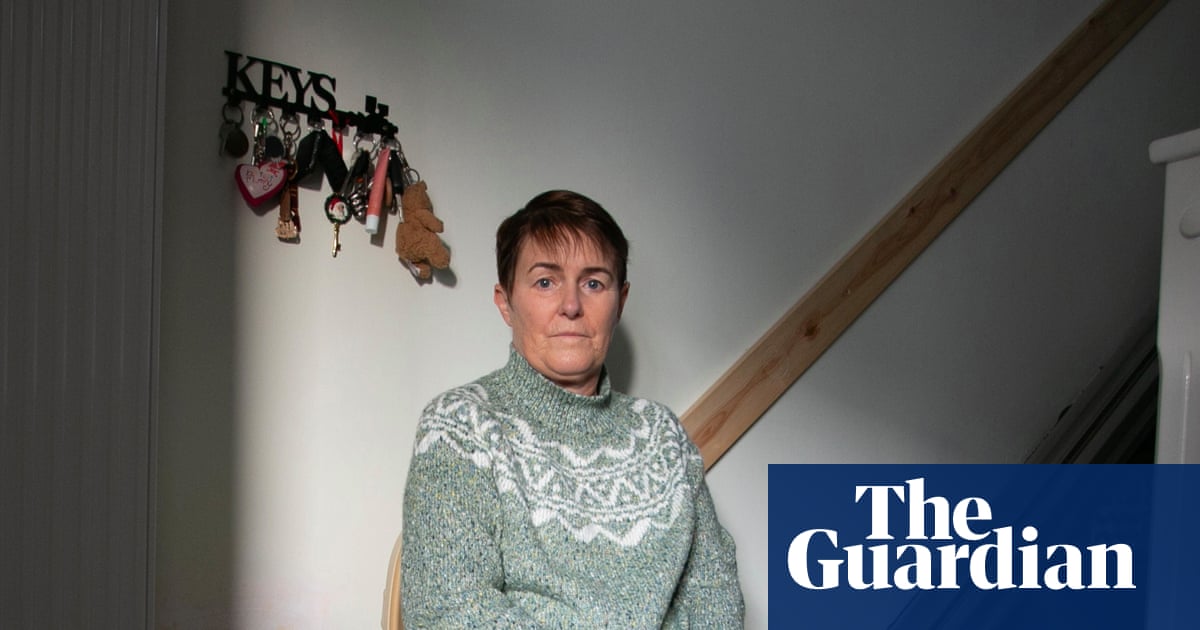
Nicole Foster, 56, who was diagnosed with MND in May 2025, exemplifies the struggles faced by many. She has spent her life savings and raised additional funds to pay about £18,000 for a stairlift after being informed that the wait for publicly funded adaptations would likely be two to three years. Despite her efforts, Foster has experienced falls at home due to delays in installing a through-floor lift, which forced her to rely on a stairlift and compromised her safety. Her husband has left his job to become her full-time caregiver.
DFG funding, administered by local councils with central government support, covers essential home modifications such as stairlifts, door widening, and ramps. Similar delays are reported in Northern Ireland and Wales, with average wait times of 357 and 289 days respectively. Campaigners are calling for a fast-track process and the removal of means testing for individuals with rapidly progressive conditions like MND to expedite access to necessary adaptations.
In response to concerns, the government has announced an investment of £711 million aimed at reducing waiting lists, funding additional home adaptations, and ensuring that people with serious illnesses receive the home modifications they urgently require.