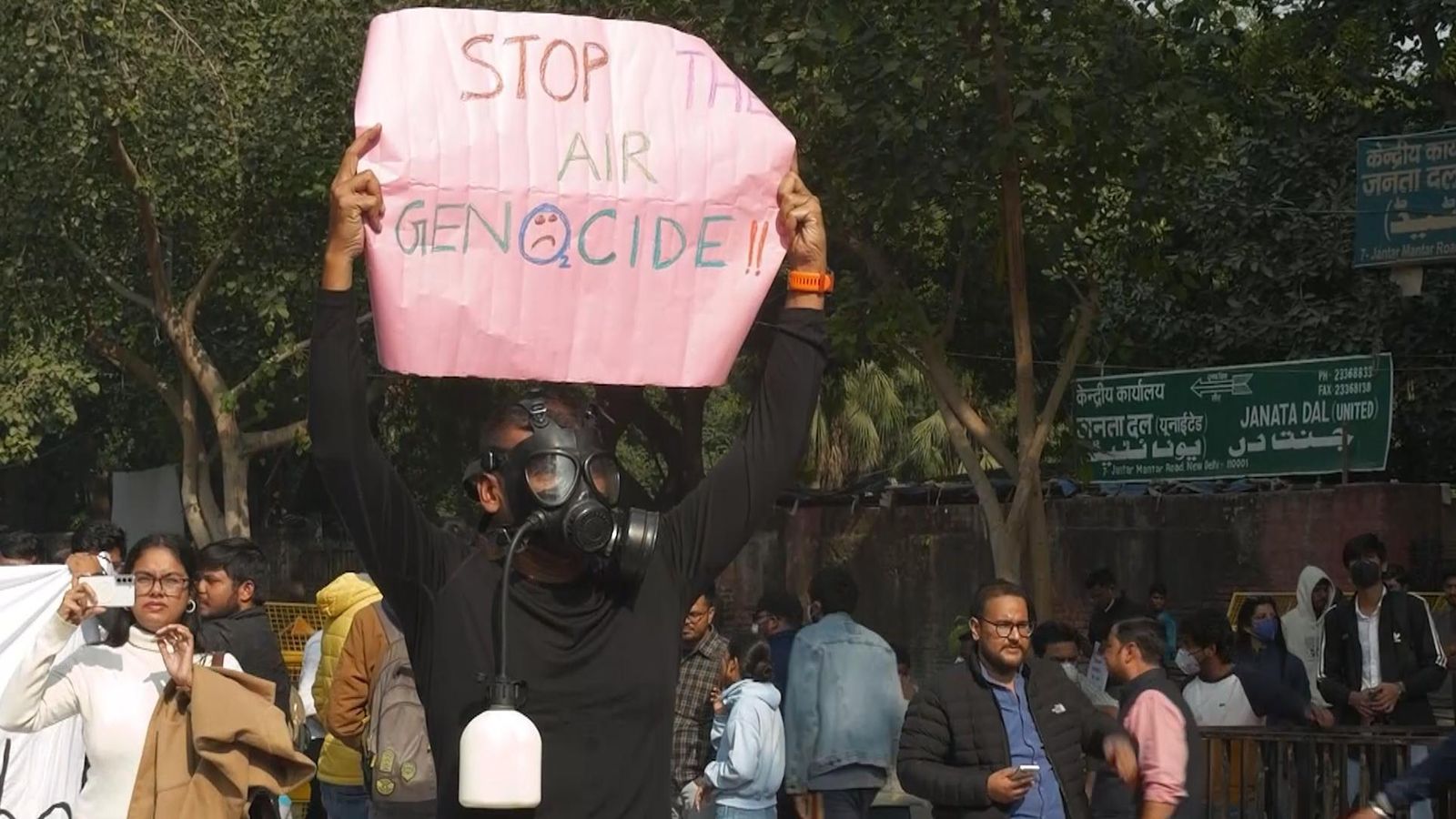
Delhi's Air Pollution Crisis: A Persistent Threat to Public Health
Delhi is recognized as the world's most polluted capital, grappling with severe air pollution stemming from vehicle emissions, farm fires, industry, power plants, waste, construction, and household energy sources.
The city's air contains harmful pollutants, including PM2.5 particles, carbon monoxide, and nitrogen dioxide, all of which can penetrate deep into the lungs and bloodstream.
These pollutants contribute to severe health impacts such as respiratory and heart problems, reproductive issues, cognitive decline, and reduced life expectancy.
Air quality in Delhi has frequently been rated as very poor, severe, or hazardous since winter, consistently exceeding World Health Organization safe levels.
According to a United Nations Environment Programme (UNEP) report, 99% of the global population is exposed to some form of air pollution, with over 90% of pollution-related deaths occurring in low- and middle-income countries.
A 2022 Lancet study estimated that fossil-fuel-related air pollution caused approximately 1.72 million deaths in India.
In 2025, 150 out of 256 monitored Indian cities exceeded national PM2.5 limits.
Government measures to address the crisis, such as vehicle bans and halting construction, are widely viewed as temporary or inadequate.
There have been allegations of inconsistent data collection and attempts to influence pollution readings, including spraying water at monitoring stations.
Crop stubble burning remains a major contributor to pollution; although the Supreme Court has banned the practice with fines and arrests, farmers defend their livelihoods and some express willingness to risk jail.
Activists and doctors describe Delhi's air pollution as a slow poison and are urging stronger government action.
However, parliamentary measures have yet to deliver substantial changes before legislative sessions.