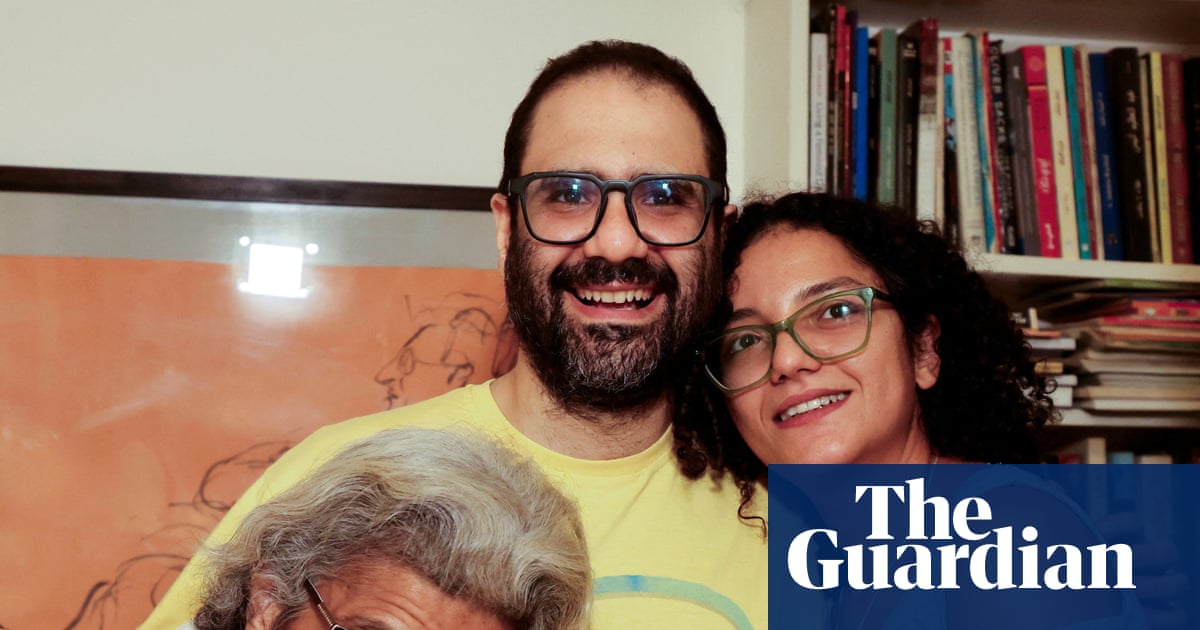
Downing Street defends campaign to release Alaa Abd el-Fattah amid controversy over historic tweets
Downing Street has defended its campaign to secure the release of British-Egyptian activist Alaa Abd el-Fattah and the decision to welcome him to the UK. Abd el-Fattah arrived in London on Boxing Day following government negotiations and issued an unequivocal apology for his past social media posts.
Historic tweets that have surfaced include statements expressing support for killing Zionists, self-described racism, and criticisms of police and British people. These revelations have sparked calls from opposition figures and some MPs for his deportation or the revocation of his British citizenship. However, the government maintains its support for his release.
Downing Street stated that Prime Minister Keir Starmer was not aware of Abd el-Fattah's tweets before he entered the UK. Questions have been raised about the vetting and research conducted prior to granting him citizenship in 2021, prompting a Foreign Office review of the handling of his case.
Officials have clarified that Abd el-Fattah is eligible for British citizenship through his mother and indicated that current law may not provide grounds to strip him of citizenship. Meanwhile, Conservative and Reform UK parties have called for his removal, though legal avenues appear limited.
MPs' reactions have varied: Emily Thornberry condemned the tweets but called for a measured response, while John McDonnell highlighted Abd el-Fattah’s transformation from a youth posting harmful content to becoming a respected human rights advocate. The legal charity Reprieve emphasized the importance of upholding the rule of law.
Alaa Abd el-Fattah rose to prominence during Egypt's 2011 Arab Spring and spent much of the past decade imprisoned for his activism. He was nominated for the Sakharov Prize in 2014.