Drones Become Central to Modern Warfare and Defense Systems Globally
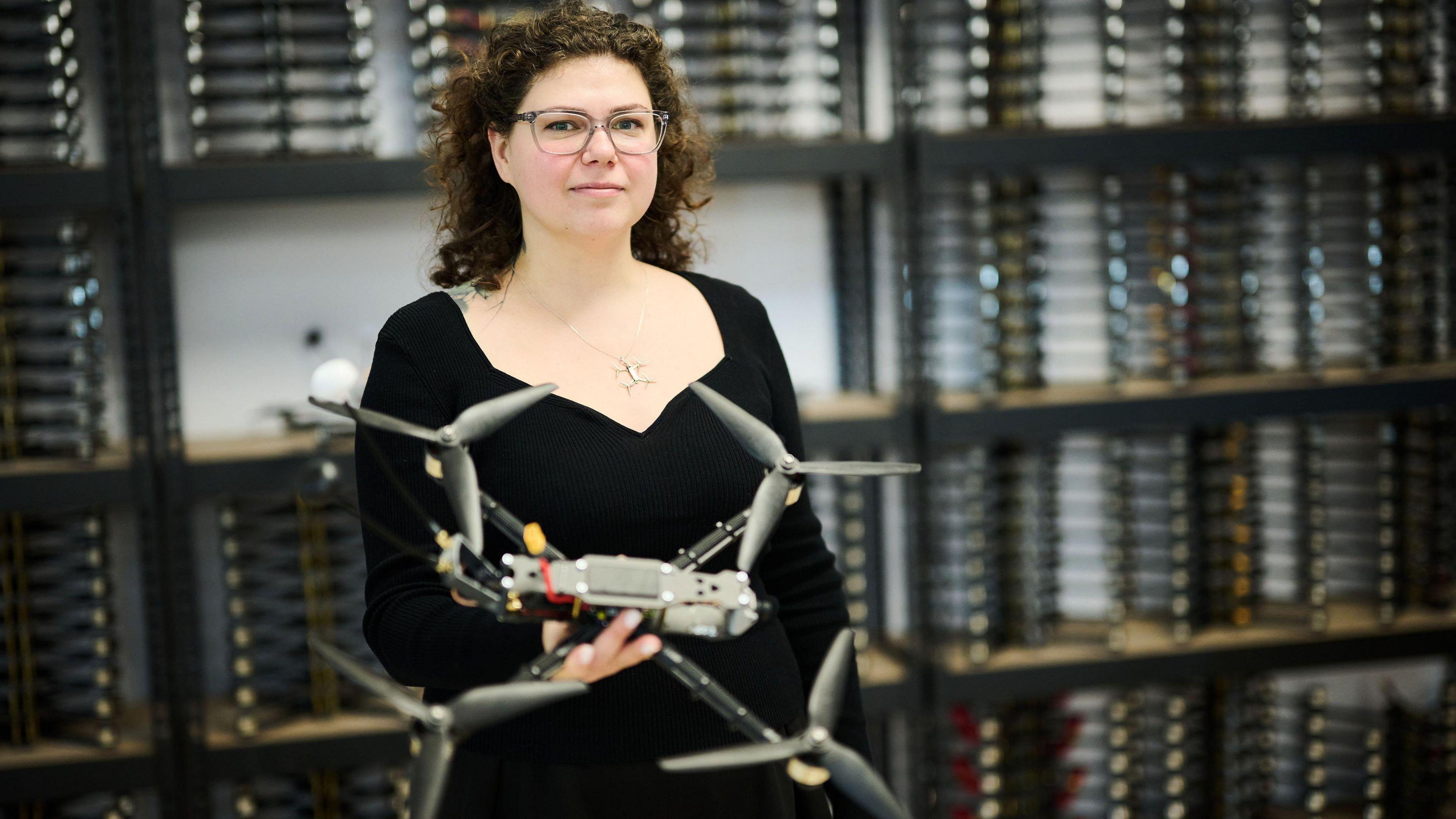
Kseniia Kalmus, a Kyiv floral artist, has shifted to producing FPV drones for Ukrainian forces to support frontline needs following Russia's invasion. Ukraine's drone industry has rapidly expanded from just a few makers before 2022 to hundreds now, with Kyiv reporting that drones account for about 75% of Russian battlefield losses. These drones range from small quadcopters to larger unmanned aircraft and have become critical tools across global conflicts, including in the Middle East, Myanmar, and Sudan.
The growth of the drone sector has also fueled a rising counter-drone industry aimed at protecting critical infrastructure. For example, Belgium sought drone defenses after disruptions at Brussels Airport. European and US companies are investing heavily in drone capabilities, with Tekever valued over $1 billion, Stark expanding operations in Germany, and the UK planning a new drone factory in Swindon. The UK government's defense spending on drones is around £4.5 billion.
Anti-drone technology is evolving rapidly, with firms like DroneShield, led by Oleg Vornik, experiencing increased demand and stock prices rising approximately 15-fold since 2022, serving clients primarily in the Asia-Pacific and Latin America regions. Additionally, Munin Dynamics founder Magnus Freyer described compact, vest-sized systems designed to help soldiers defend against drone threats.
Experts anticipate that artificial intelligence will soon enable multi-drone swarms and eventually fully autonomous drones controlled by a single operator, signaling a significant shift in modern warfare tactics. Overall, drones have become a mainstream and widespread tool in military confrontations worldwide.