Economic Crisis Sparks Largest Protests in Iran Since 2022
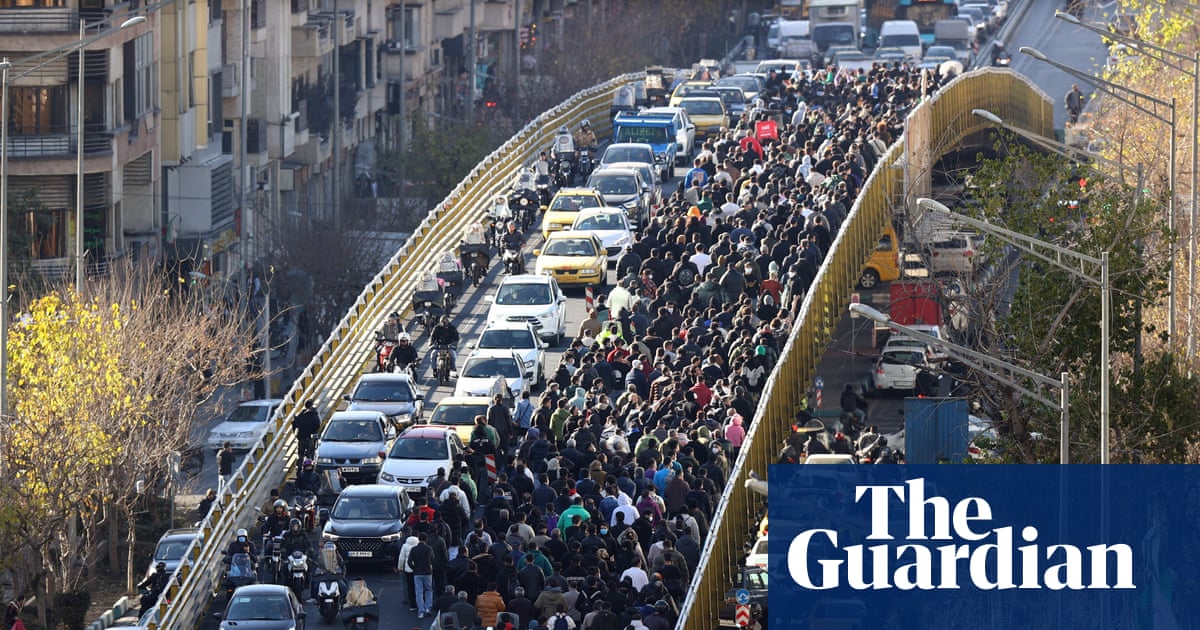
Protests have entered their fourth day across Iran, spreading from Tehran to other cities with students paralysing campuses, merchants shutting stores, and streets being blocked. This unrest stems from rising economic distress, as the Iranian rial fell approximately 56% in six months to about 1.42 million per USD, while food prices increased around 72% year-on-year.
Initially driven by economic grievances, the protests have expanded into broader anti-government sentiment. Demonstrators, including women's rights activists and students, have chanted slogans such as 'death to the dictator.' Merchants like Alborz from Isfahan closed their shops to join the demonstrations, citing fears about feeding their families and potential security reprisals. Some protesters reported being beaten or arrested by security forces, with student IDs confiscated.
The government, led by President Masoud Pezeshkian, has called for dialogue, but security forces continue crackdowns. The Islamic Revolutionary Guard Corps (IRGC) has warned of 'sedition' and cognitive warfare attributed to enemies. These protests are described as the largest since the 2022 Mahsa Amini protests, which were also violently suppressed.
On the international front, U.S. President Donald Trump has floated the idea of striking Iran again, while Iran rejects claims concerning uranium enrichment and insists its nuclear program remains peaceful. There is anticipation that trade unions may join merchants in the protests, potentially broadening the scale of disruption.
