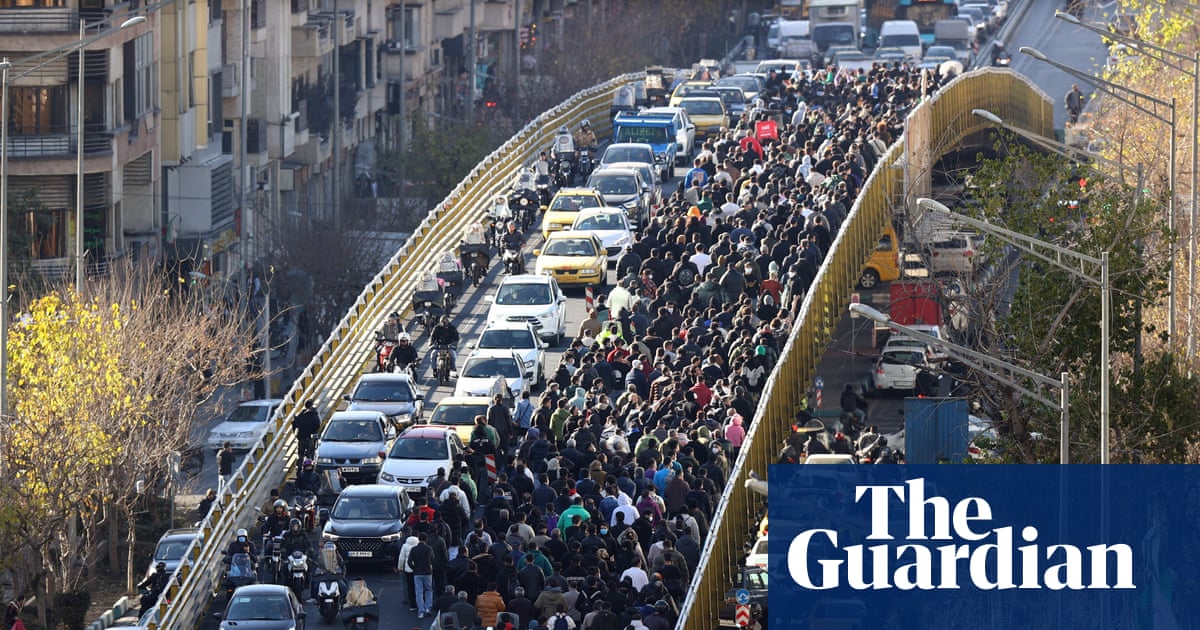
Economic Crisis Sparks Largest Protests in Iran Since 2022
Protests across Iran have entered their fourth day, spreading from Tehran to other cities. Participants range from students paralyzing university campuses, traders shuttering stores, to demonstrators blocking streets. The unrest began over worsening living conditions but has broadened to criticize the governance of Iran, with slogans including 'death to the dictator' and 'woman, life, freedom.'
The Iranian rial has plummeted to 1.42 million per US dollar, a depreciation exceeding 56% over six months. Inflation has surged food prices by approximately 72% year on year, exacerbating hardships for ordinary Iranians. Alborz, a textile merchant in Isfahan, closed his shop to join the protests, expressing concern for his children's meals amid rising difficulties.
The government, led by President Masoud Pezeshkian, has called for dialogue; however, security forces have responded by confiscating student IDs and beating or arresting protesters. Reports indicate the use of teargas and pellet guns during confrontations.
International developments compound tensions: the US has claimed that former President Trump considered striking Iran, and the Islamic Revolutionary Guard Corps (IRGC) has pledged to confront what it terms sedition. Iran has denied allegations of enriched uranium and asserts its nuclear program remains peaceful.
These protests are the largest since the 2022 unrest following Mahsa Amini's death. Iran's economic difficulties are driven by sanctions and reliance on imports, which contribute to inflation and currency devaluation. Additionally, the regime remains shaken by a recent 12-day war with Israel in June.