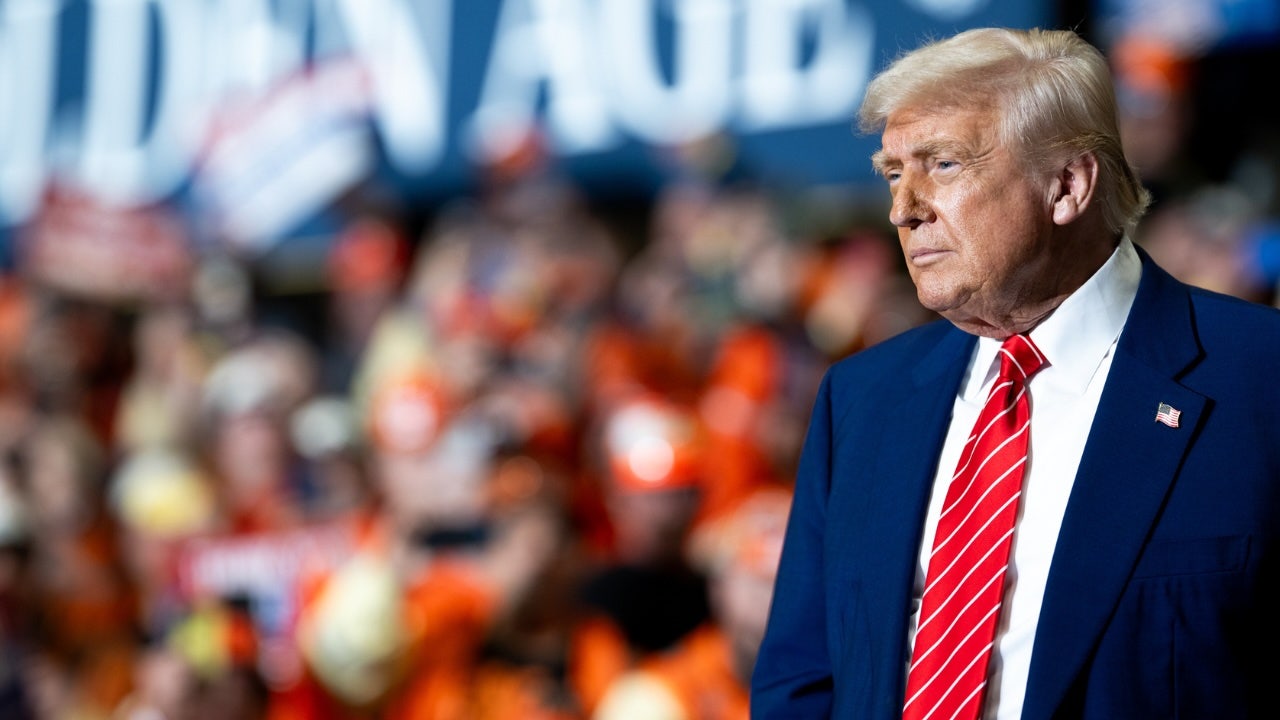
Economic Policies Shaping Trump's Return to the White House in 2025
On April 2, 2025, Liberation Day was declared, marking significant developments in tariff policies under the Trump administration. Total tariffs revenue reached $215.2 billion for the fiscal year 2025 through September 30 and $96.5 billion since October 1 of the new fiscal year. These tariffs aim to reduce trade imbalances, revive U.S. manufacturing, and strengthen national security. However, critics warn of higher consumer costs and potential retaliations. The Supreme Court is set to rule on the authority to impose tariffs in the cases Learning Resources Inc. v. Trump and Trump v. V.O.S. Selections Inc.
On July 4, 2025, the One Big Beautiful Bill Act (OBBBA) was signed into law. This act extends the 2017 Tax Cuts and Jobs Act (TCJA), making some tax cuts permanent, such as lower tax rates and an expanded standard deduction, while introducing new federal initiatives and long-term savings programs. Notably, the OBBBA established Trump accounts for children, allowing up to $5,000 per year contributed via federal seed money, private contributions, and employer or nonprofit deposits. These funds become available in mid-2026 but are largely locked until adulthood. Treasury estimates suggest that fully funded Trump accounts could reach up to $1.9 million by age 28 with maximum contributions, and even with only a $1,000 government deposit, balances could grow to between $3,000 and $13,800 over 18 years.
The OBBBA also includes measures barring undocumented immigrants from certain taxpayer-funded benefits, reflecting broader administration priorities.
Regarding monetary policy, tensions remain between the Trump administration and the Federal Reserve. President Trump has pressed for rate cuts to boost affordability, while Federal Reserve Chair Jerome Powell, appointed in 2017 with a term ending in May 2026, bases decisions on inflation and labor data. This has resulted in notable friction between the White House and the Fed.
Overall, these trade and fiscal policies are designed to sustain economic expansion and reshape household finances and global markets during the Biden era and beyond.