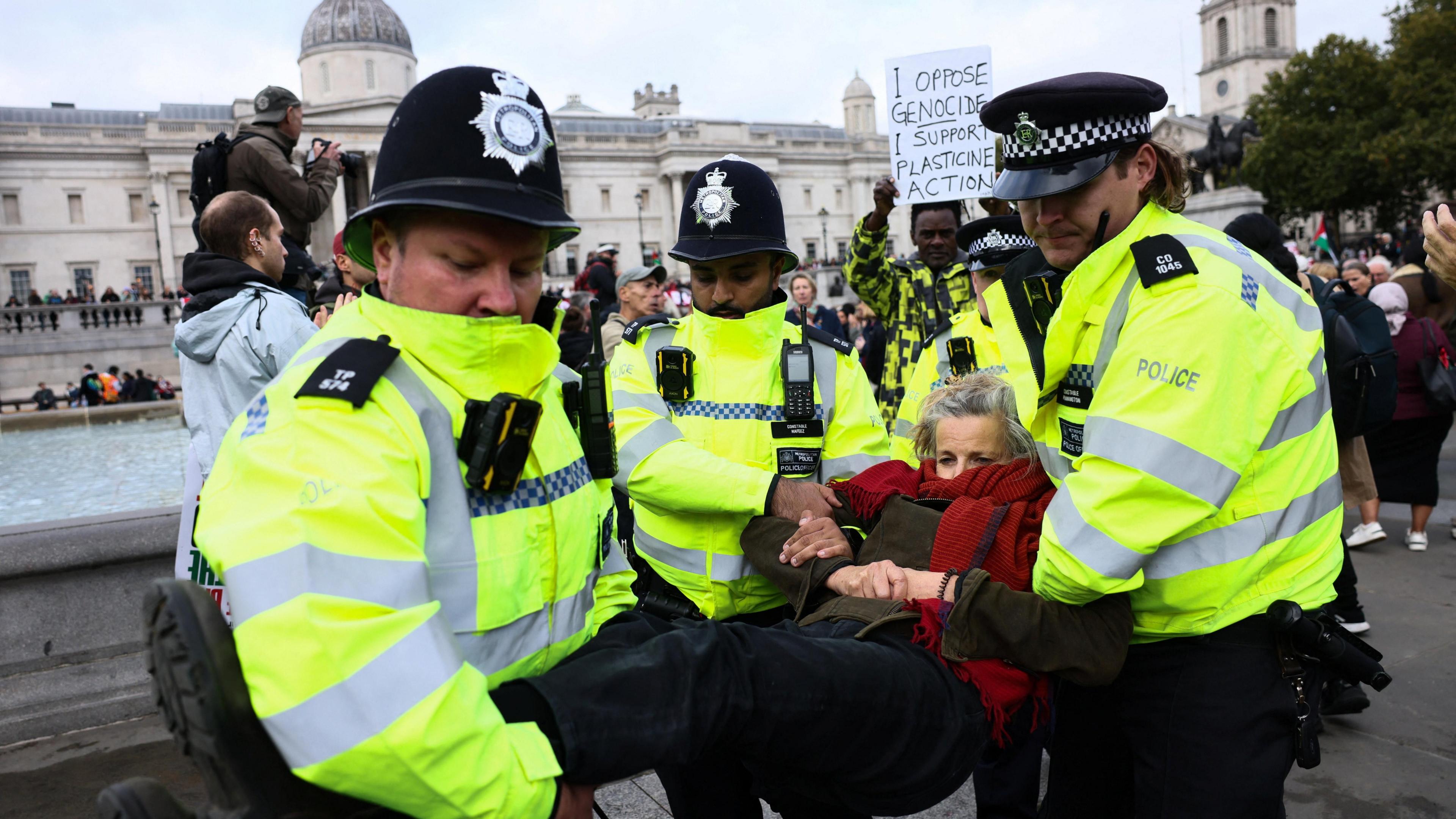
Eight Palestine Action-Related Prisoners on Hunger Strike Amid Legal and Political Disputes
Eight remand prisoners linked to Palestine Action are on hunger strike while awaiting trial, with protests taking place in five prisons. The group is banned under terrorism legislation. Lawyers have urged Deputy Prime Minister and Justice Secretary David Lammy for an urgent meeting, warning of a real and increasingly likely risk that the prisoners could die in custody if the situation remains unresolved.
Two detainees have been refusing food for 37 days, while five others have spent time in hospital. Zuhrah and Gardiner-Gibson have been refusing food for 38 days as of Wednesday, and the remaining detainees have also been on hunger strike for at least 30 days.
Four defendants face charges related to breaking into an Israeli-linked defence firm in 2024 and are scheduled for trial in May next year. The other four defendants are accused of breaking into RAF Brize Norton in June, allegedly causing millions of pounds in damage to two jets.
The protests began with demands to lift the ban on Palestine Action and to shut down a defence firm with links to Israel. A challenge to the home secretary's decision has resulted in three High Court judges set to rule within weeks on the lawfulness of the ban.
The detainees claim they have been denied bail and are seeking a fair trial. Crown Court hearings have been independently witnessed by journalists. Supporters say formal complaints regarding prison treatment have been submitted, though the BBC cannot independently verify these. The Prisons and Probation Ombudsman does not comment on individual complaints.
In Parliament, MPs John McDonnell and Jeremy Corbyn have sought information on the matter, and Speaker Lindsay Hoyle has described the lack of response as unacceptable. The Ministry of Justice states that the deputy prime minister has responded to correspondence and will continue to do so. The Prison Service says it continually assesses the wellbeing of prisoners.