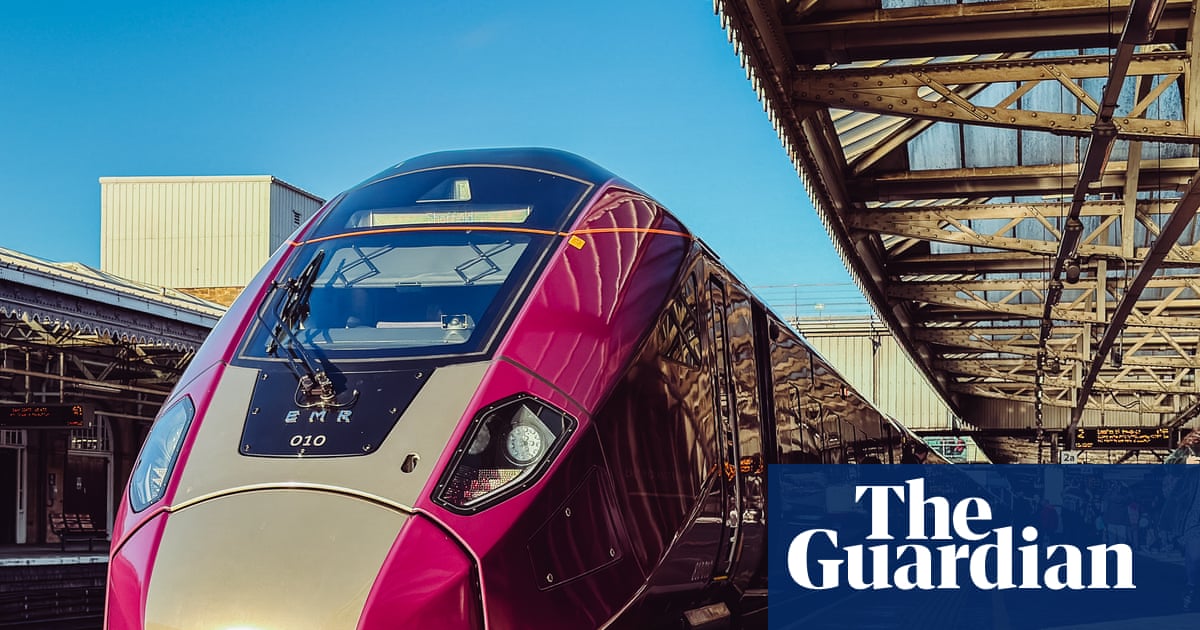
End of Diesel Trains at London St Pancras as New Aurora Bi-Mode Trains Enter Service
East Midlands Railway (EMR) will end the use of diesel trains at London St Pancras by the end of 2026, coinciding with the introduction of Hitachi-built Aurora bi-mode trains on the Midland Main Line from London.
The Aurora trains will operate on electricity in the southern sections and switch to diesel power north of Leicester. EMR highlights that electrified segments can reduce carbon emissions by up to 66%. However, the Aurora project has faced delays, and plans to electrify the Midland Main Line have been scaled back.
Across Great Britain, approximately 70% of passenger rolling stock is electric and 8% bi-mode, but only 39% of routes are electrified. The Rail Delivery Group notes that about 94% of rail journeys are greener compared to petrol cars.
Significant electrification projects include the Great Western route, completed in 2020 but over budget and late; Midland Main Line electrification was halted south of Leicester; and ongoing work continues on the TransPennine route east of Manchester as well as the South Wales Metro. The Department for Transport and Network Rail have plans updating progress with a vision to electrify lines fully by 2040.
Within London, Euston station is fully electric, although some Waterloo branch lines still operate diesel trains. Marylebone remains unelectrified, while the Chiltern line is pursuing selective electrification and exploring battery-hybrid options.
Battery-hybrid and fast-charge technologies show promise: Great Western Railway demonstrated about 200 miles on a single battery charge, with potential for around 60 miles between charges on long stretches in the southwest. Batteries may help bridge electrification gaps where overhead lines are costly.
Chiltern Railways has sourced 13 Mark V trains from TransPennine Express. The Piccadilly Line in London is set to receive a new fleet, entering service between late summer and December, which is expected to use about 20% less electricity.