Environmental Advances and Research Highlights at the Close of 2025
California has launched a $100 million methane-tracking satellite program funded by its cap-and-trade system. One satellite is currently in orbit, with seven more planned. Data collected is relayed to the California Air Resources Board, and by November 10, large methane leaks were identified and stopped, yielding a climate benefit equivalent to removing about 18,000 cars from the road annually.
Researchers at the University of Hawaii at Mānoa have found that over 60% of marine fungi tested can degrade polyurethane plastics. Degradation rates increased by up to 15% after repeated exposure, and evaluation of the breakdown of other plastics like polyethylene is ongoing.
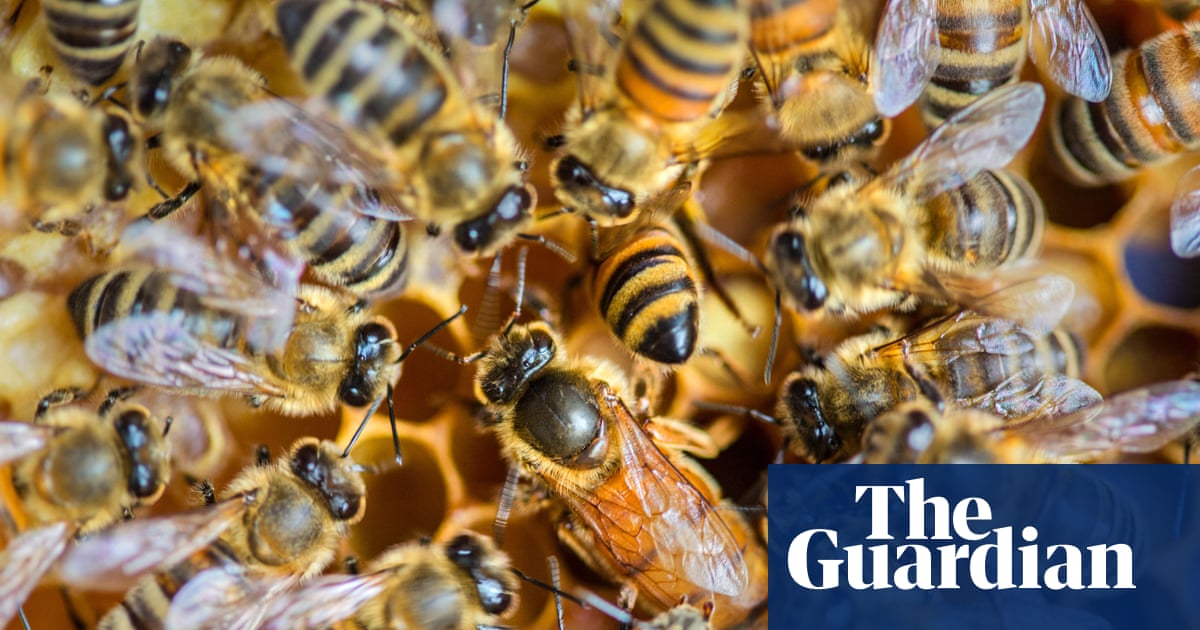
A USDA study into US honeybee decline reveals that viruses carried by Varroa mites are a primary driver of losses. These mites show resistance to amitraz. The study also notes that climate change, pesticide exposure, and shrinking forage contribute to bee declines. This peer-reviewed study was funded amid budget cuts during the Trump administration.
Hypoxia levels in Long Island Sound have reached a 40-year low, with dead zones shrinking to 18.3 square miles and persisting for only 40 days. This improvement is attributed to reductions in nitrogen pollution and a recent dry summer.
UC San Diego has developed Snap-X gel aimed at coral restoration. The gel releases chemicals that attract coral larvae, increasing larval settlement sixfold on treated surfaces and twentyfold in flowing water. This development comes amid a global coral bleaching event this year.
New Mexico has allocated $50 million to fund wildlife crossings, the state's largest single-year allocation for such projects. This funding supports initiatives along the US 550 corridor north of Cuba, where about 1,200 wildlife-related crashes occur annually.
In the Gulf of California, solar-powered flashing LED nets have been field-tested, reducing sea turtle bycatch in gillnets by 63%. These nets also function as buoys and can operate up to five nights without direct sunlight, while maintaining targeted catch rates.