EU Postpones Decision on Banning Plant-Based Foods from Using Meat-Related Names Amid Industry Lobbying
EU institutions have been unable to reach a consensus on banning plant-based foods from using meat-related names. The decision has been postponed until January, when a new EU presidency will take over and make the determination.
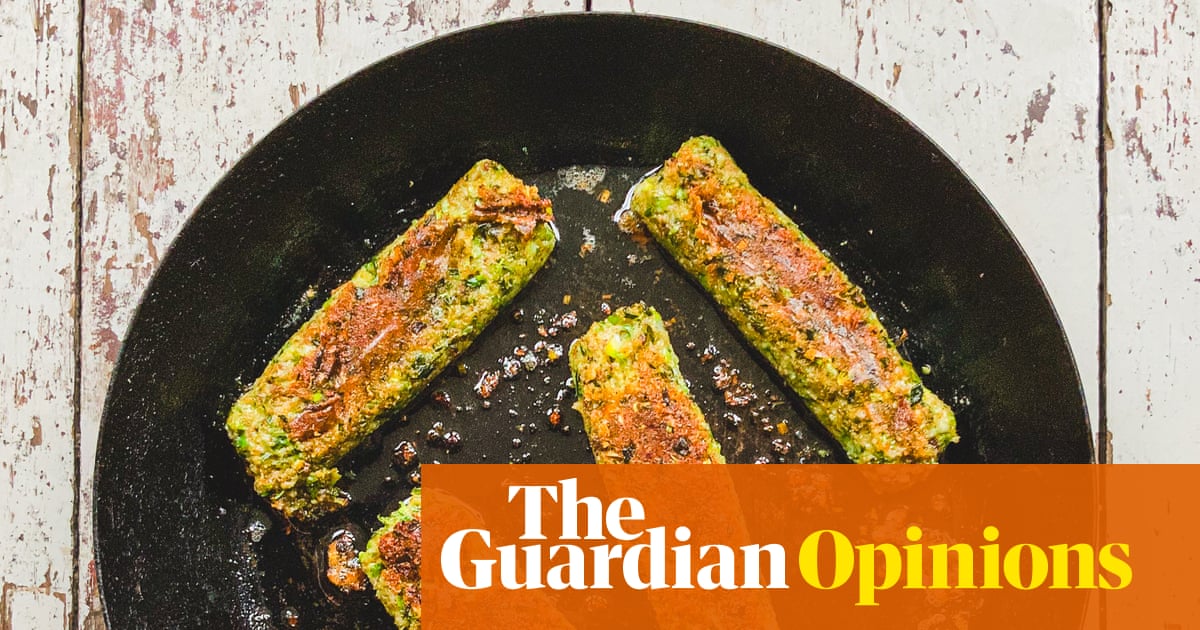
The delay follows heavy lobbying from the meat and dairy industries, which is seen as an effort to protect their market share rather than to protect consumers from confusion. Historical and everyday usage examples, such as the Glamorgan sausage—a plant-based product that has long used a meat-related name—challenge the argument that such terms have a single, exclusive meaning.
EU legal definitions of meat, based on Regulation (EC) No 853/2004, reveal inconsistencies in naming conventions. For instance, terms like "mincemeat" (which contains no meat) versus "minced meat," and "sweetbreads" versus "sweetmeats" illustrate these discrepancies.
Public perception supports broad consumer understanding. A Dutch survey of 20,000 people found that 96% were not confused by terms such as veggie, vegan, or plant-based sausage, undermining claims of misleading labeling.
If plant-based names are restricted by the EU, similar measures might be adopted in the UK post-Brexit. The UK already bans terms such as oat milk, soy butter, and vegan cheese on labels, although coconut milk and peanut butter are still permitted.
The article frames language as a strategic tool used to portray plant-based foods as unnatural while normalizing meat industry products and protecting traditional industry practices.