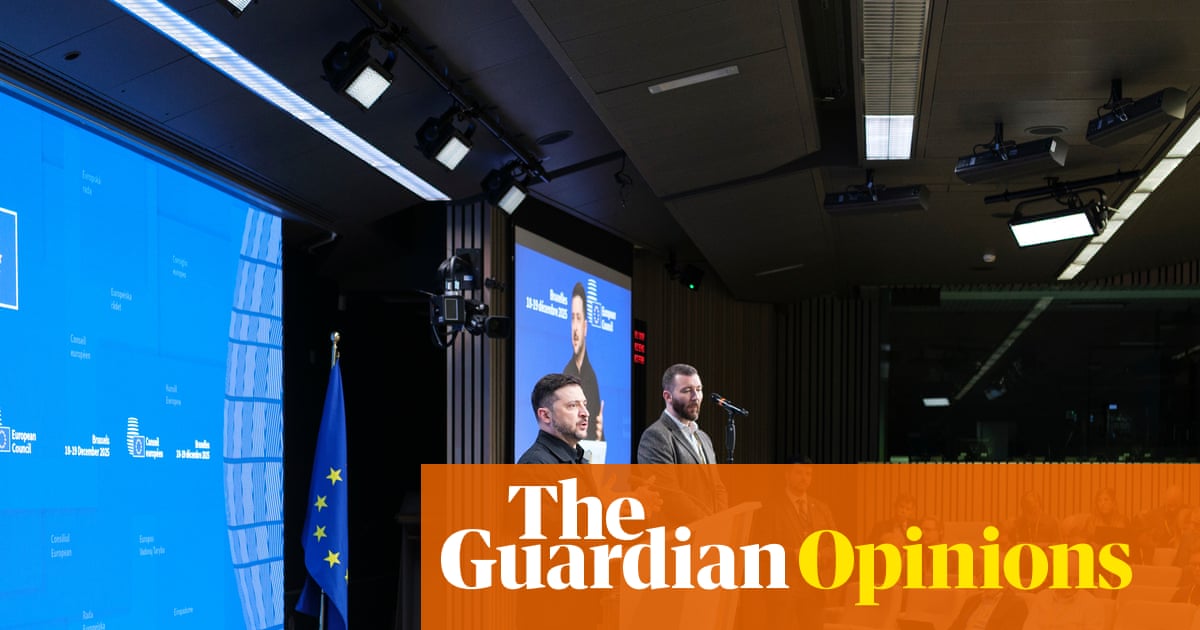
EU Summit Debates Mobilising Frozen Russian Assets to Fund Ukraine Amid Legal and Political Challenges
The EU summit held in Brussels on December 18, 2025, focused on the contentious proposal of mobilising £184 billion of frozen Russian assets in Europe, particularly in Belgium, to fund Ukraine through an EU loan scheme rather than direct transfers.
Supporters of the plan have hailed it as an ingenious and legally sound approach to support Ukraine’s ongoing conflict. However, the proposal faces significant legal challenges and political opposition, notably from figures such as Donald Trump, who advocates for a rapid deal involving US-Russian talks scheduled in Miami and opposes the activation of the frozen assets.
Belgium's support remains uncertain, described as being on a knife-edge, influenced by concerns over bond markets and voters' worries about the rising cost of living, which may limit enthusiasm for the funding plan.
The plan’s effectiveness is also uncertain, with no guarantee it will alter the battlefield dynamics. Sanctions so far have not forced a collapse of Russia’s economy, largely due to continued oil sales to China and India.
Should the loan proceed without yielding a shift in the conflict, Europe risks losing its moral high ground and potentially fostering a rise in global economic nationalism.
The Guardian’s assessment highlights three key takeaways from the summit: it is a crucial moment for Ukraine, existential for the European Union, and no early consensus was achieved among member states.