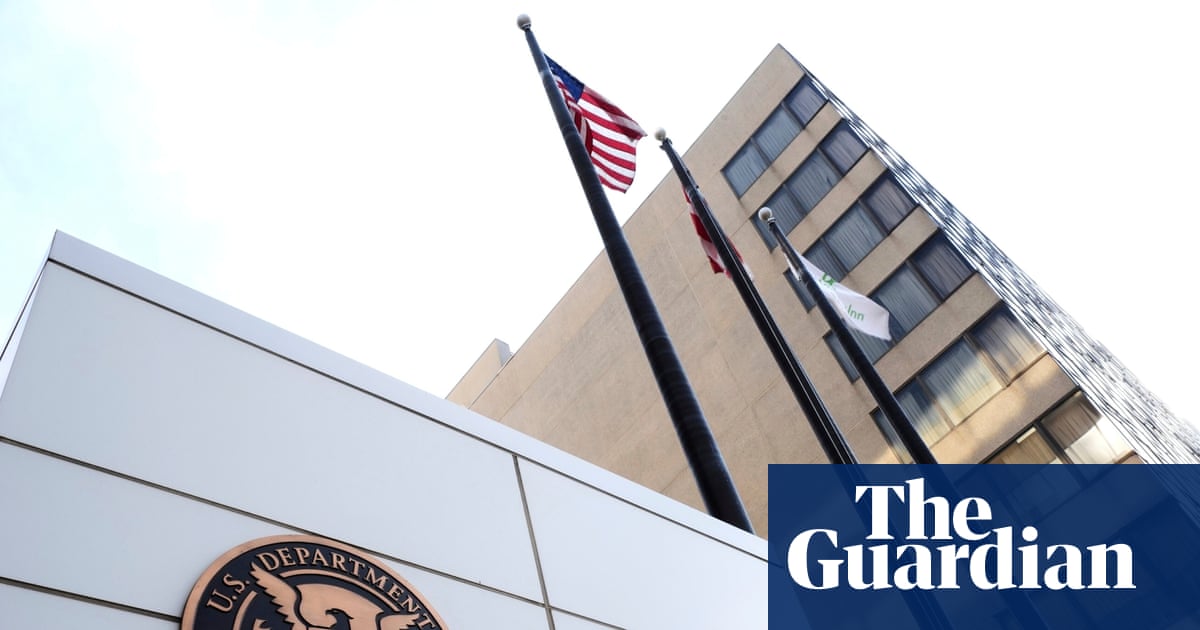
Federal Judge Blocks Homeland Security Funding Cuts Over Immigration Enforcement Conditions
A U.S. district judge has issued a ruling blocking recent federal homeland security grant reductions by the Department of Homeland Security (DHS) and the Federal Emergency Management Agency (FEMA). The decision comes after over $230 million in grants were cut to Connecticut, Delaware, Minnesota, Massachusetts, New York, Rhode Island, Vermont, and the District of Columbia. These grants are part of approximately $1 billion in annual counter-terrorism funding supporting state and local law enforcement efforts.
Judge Mary McElroy, a 2018 appointee under the Trump administration, authored a 48-page ruling that found the funding cuts unlawful. The judge stated that tying the grant reductions to states' immigration enforcement policies constituted a hostile use of grant administration and effectively used state assistance as leverage for federal immigration policy. The ruling emphasized that such conditions on funding jeopardize public safety, citing the response to the Brown University mass shooting as an example of how federal grants support critical counter-terrorism programs and law enforcement capabilities.
A coalition of 12 state attorneys general from the affected jurisdictions hailed the ruling as a significant victory, warning that the original cuts placed public safety at risk. Meanwhile, the DHS has indicated that it intends to appeal the decision. The core issue of the case revolves around whether the federal government can condition vital counter-terrorism grants on compliance with particular immigration enforcement policies.